English
한국어
English
Español
中文
हिंदी
Home
News
Community
Dictionary
English
한국어
English
Español
中文
हिंदी
View list
slender sedge
Pennisetum flaccidum
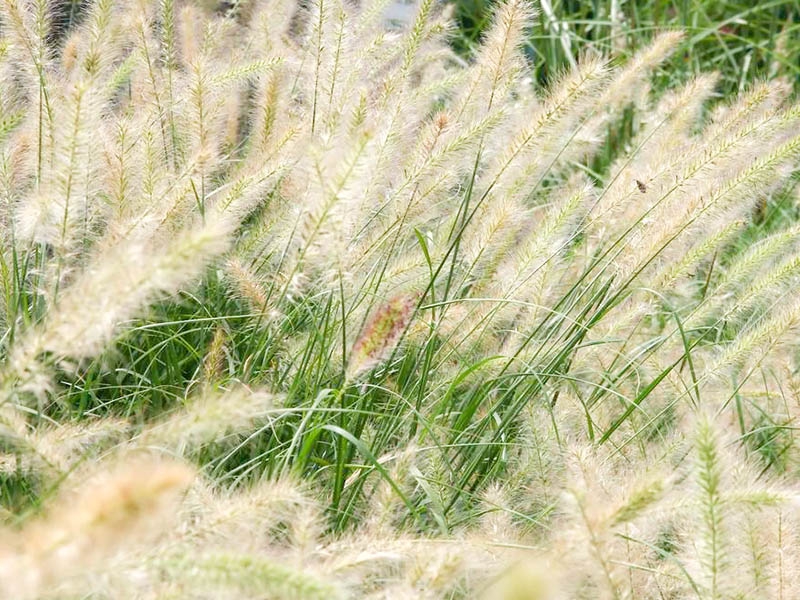
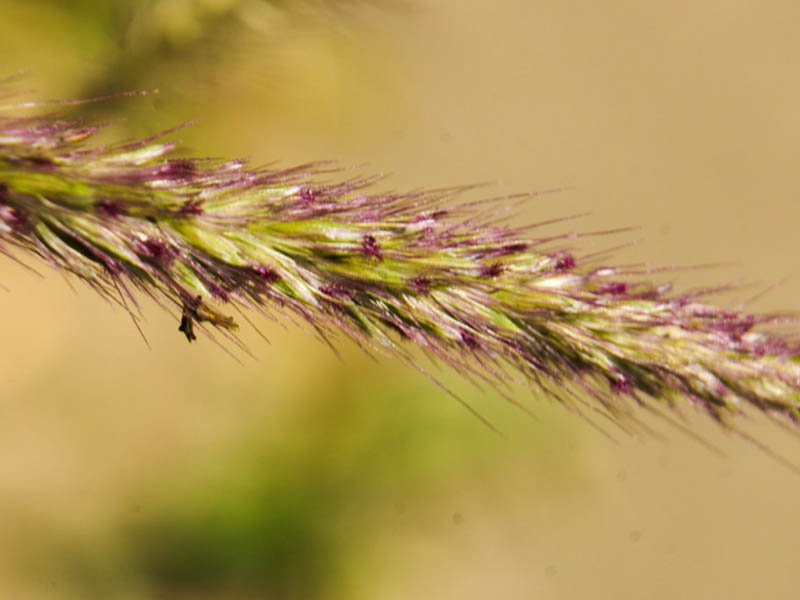
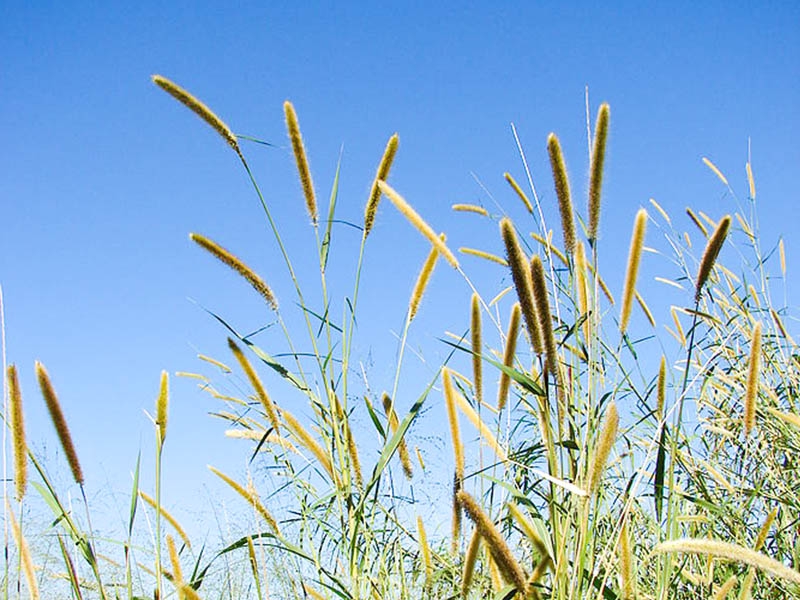
Pennisetum flaccidum is a perennial plant native primarily to Asia and Africa. Growth Characteristics - Environment: It thrives in sunny locations with well-drained soil. It tolerates dry environments relatively well. - Size: It grows to an average height of approximately 60–90 cm. - Leaves: The leaves are thin and long, with a light green color. - Flowers: It blooms from summer to autumn; the inflorescence is spike-like and feather-like in shape. Propagation Methods - Seed Propagation: It can be propagated by sowing seeds collected in autumn in the spring. - Division: It can be propagated by separating roots in spring or autumn and planting them elsewhere. Cultivation Methods - Soil: It prefers well-drained, neutral to slightly acidic soil. - Watering: Although it grows well in dry environments, it is recommended to water regularly. - Fertilization: Provide nutrients using slow-release fertilizer in the spring. Uses in the Garden - Landscape Plant: Plachydum plachydum is highly valued as an ornamental plant in itself and is widely used for garden landscaping. - Grass Bed: It can be planted alongside other grasses to create a natural-looking grass bed. Important Pests and Control Methods - Diseases: While specific diseases rarely occur, gray mold may appear if there is excessive moisture. It is important to cut off diseased parts and maintain good ventilation. - Pests: Generally, it has high resistance and is not a major issue; however, if aphids or other pests appear, they can be controlled using soapy water or insecticides. Since it is relatively easy to care for when planted in the garden, it is a plant that even beginners can easily grow.
Plant Type
Plant Family
Poaceae
Height
30~120cm
Spread
Colors
white, brown
Bloom Period
August to October
Water Needs
commonly
Exposure
Sunny
Freezing Resistance
-10°C
I also have foxtail grass
Cenchrus latifolius
Sukryeong 'Red Buttons'
Pennisetum thunbergii 'Red Buttons'