English
한국어
English
Español
中文
हिंदी
Home
News
Community
Dictionary
English
한국어
English
Español
中文
हिंदी
View list
Four-leaf clover
Vicia nipponica
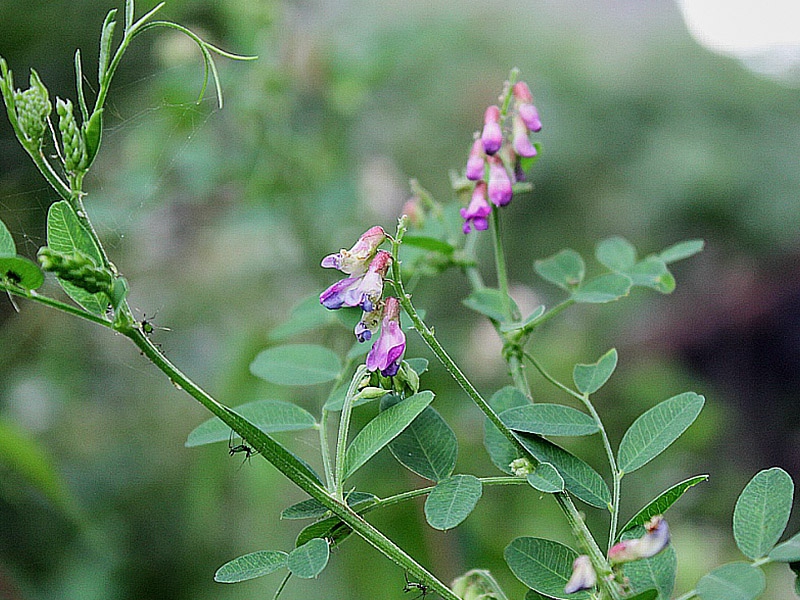
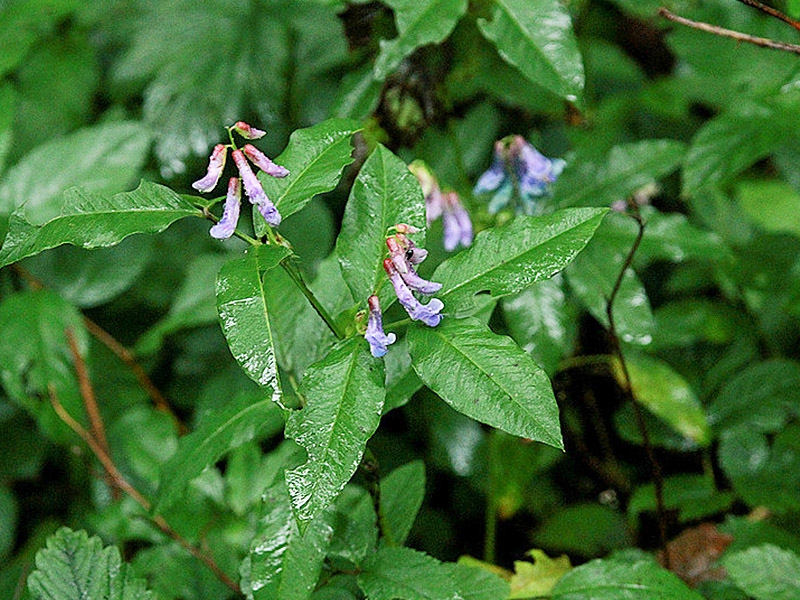
Vicia nipponica is a legume native to East Asia, including Korea. The following information covers the growth characteristics, propagation methods, cultivation methods, garden uses, major pests and diseases, and control methods for Vicia nipponica. Growth Characteristics - Environment: It thrives in temperate climates and can grow in sunny locations or in partial shade. - Soil: It prefers well-drained soil. It can tolerate slightly acidic soil and grows even better in soil rich in organic matter. - Growth Cycle: As a perennial plant, it grows from spring to autumn and flowers in the summer. Propagation Methods - Seed Propagation: Propagation by seeds is common. Seeds can be sown directly in early spring, or seedlings can be grown indoors and then transplanted. - Division: Propagation by cutting off roots or stems is also possible. This method is relatively less commonly used than general propagation methods. Cultivation Method - Planting: Plant seeds 1–2 cm deep and water thoroughly after planting. - Spacing: Maintain a spacing of approximately 30 cm between plants. - Watering: Water regularly, but avoid overwatering. Garden Uses - Since the four-leaf vetch prefers a covered soil surface, it can be used to fill the space between other plants. - It is also useful as a green manure crop, playing a role in fixing nitrogen in the soil. Major Pests and Diseases & Control Methods - Diseases: Root rot caused by excessive moisture may occur. Prevent this by ensuring good drainage and proper water management. - Pests: Aphids and moths can be problematic. If damage is severe, use eco-friendly control methods such as insect soap or vegetable oil. Based on this basic information, you will be able to successfully cultivate the four-leaf vetch (Niponica).
Plant Type
Plant Family
legumes
Height
30~80cm
Spread
Colors
red
Bloom Period
June to August
Water Needs
commonly
Exposure
semi-shaded area
Freezing Resistance
-20°C
large back claw
Vicia pseudoorobus
bird peas
Vicia hirsuta