English
한국어
English
Español
中文
हिंदी
Home
News
Community
Dictionary
English
한국어
English
Español
中文
हिंदी
View list
bird peas
Vicia hirsuta
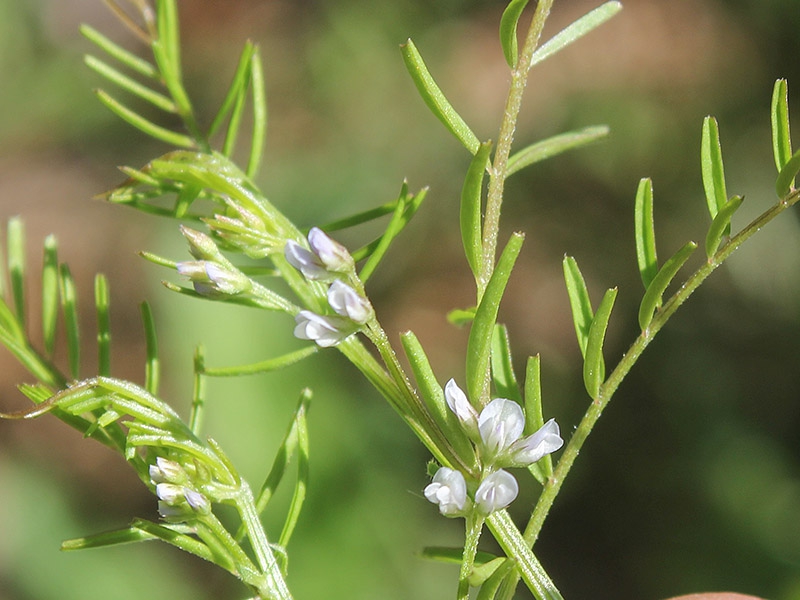
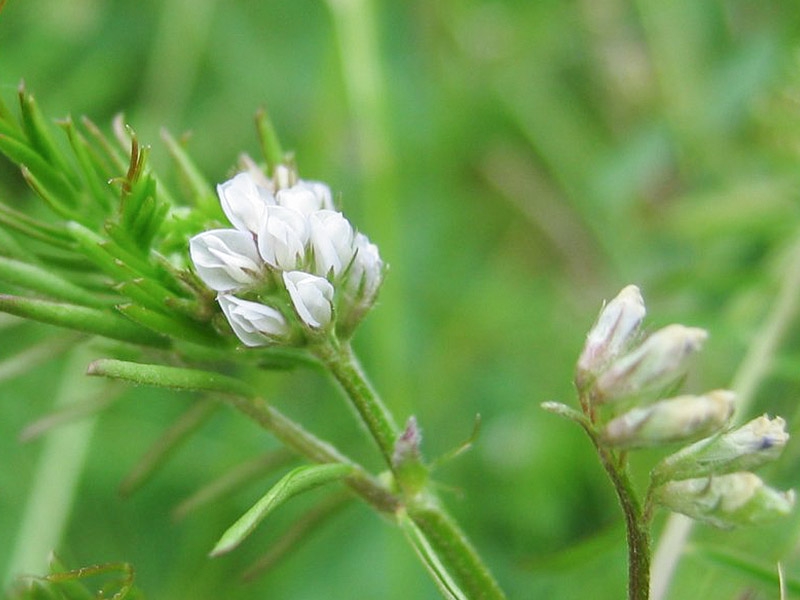
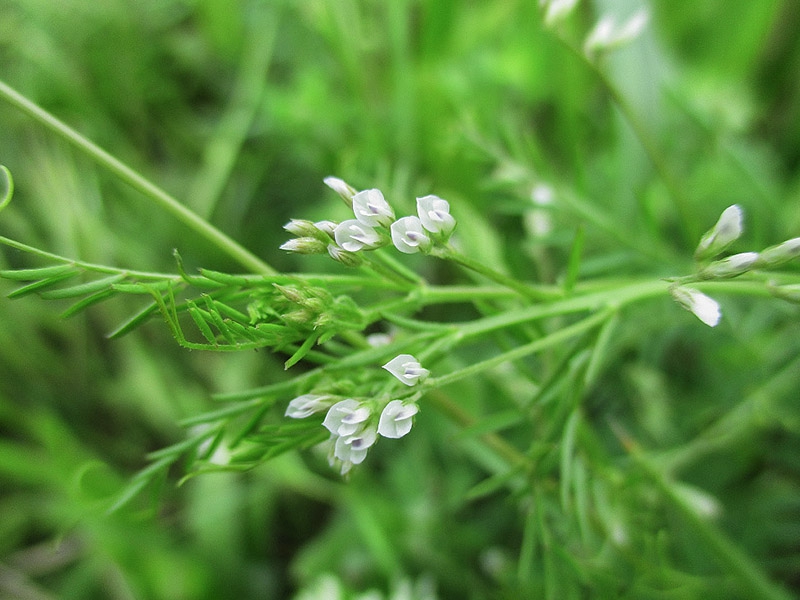
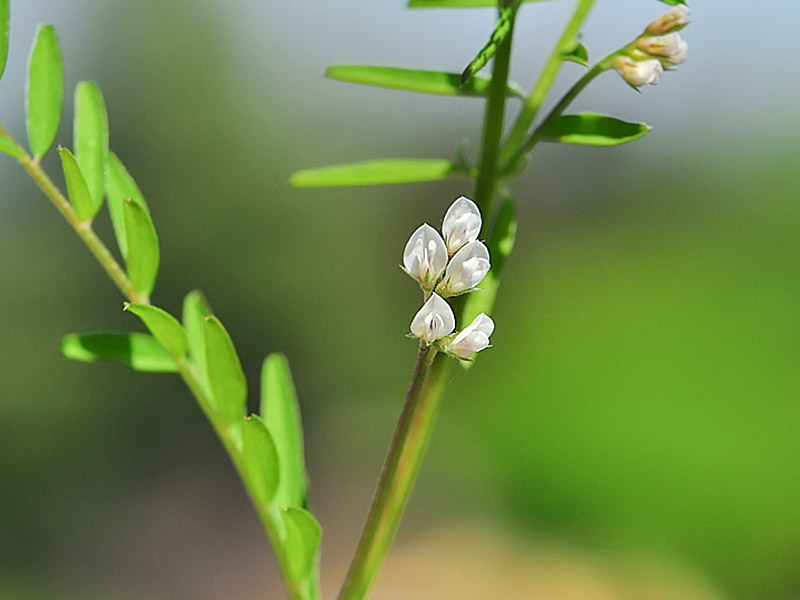
Growth Characteristics of Vicia hirsuta Vicia hirsuta is a perennial vine native primarily to Europe and Asia. It features slender stems, small leaves arranged in pairs, and small flowers. It typically grows to a height of 30–60 cm and relies on other plants or structures for support. Propagation Methods Vicia hirsuta is primarily propagated by seeds. Seeds are sown in the spring, and the optimal temperature for germination is 15–20°C. Germination occurs within 2–3 weeks of sowing, and the plant thrives in warm, sunny locations. Cultivation Methods - Soil: Vicia hirsuta grows well in fertile, well-drained soil. Drainage can be improved by mixing in sand or perlite if necessary. - Watering: Avoid overwatering; it is best to water only after the soil has dried sufficiently. 3. Sunlight: It is ideal to grow it in a sunny location. Growth may be inhibited if sunlight is insufficient. - Fertilizer: If the soil is fertile, special fertilizer is not necessary; however, if growth is judged to be slow, an appropriate amount of organic fertilizer can be added. Uses in the Garden The small flowers of Salvia hirsuta are useful for adding a natural touch to the garden. As a vining plant, it fits well on fences or hedges and pairs well with other plants. Important Pests and Control Methods - Diseases: Salvia hirsuta is relatively resistant to diseases, but it can be susceptible to fungal diseases in hot and humid environments. To prevent this, it is important to ensure good ventilation and regulate watering to avoid keeping the soil too wet. - Pests: Pests such as aphids may occur, and periodic observation is required to control them. When pests appear, it is effective to control them at an early stage using soapy water or natural insecticides. Introducing Hirsuta peas to your garden can breathe life into the space due to their natural vining nature and the beauty of their flowers. However, they require care suited to the environment, and it is important to prevent pests and diseases through periodic observation.
Plant Type
Plant Family
legumes
Height
30~60cm
Spread
Colors
white
Bloom Period
May~June
Water Needs
commonly
Exposure
semi-shaded area
Freezing Resistance
-15°C
Four-leaf clover
Vicia nipponica
wolf's-bill
Vicia cracca