English
한국어
English
Español
中文
हिंदी
Home
News
Community
Dictionary
English
한국어
English
Español
中文
हिंदी
View list
wolf's-bill
Vicia cracca
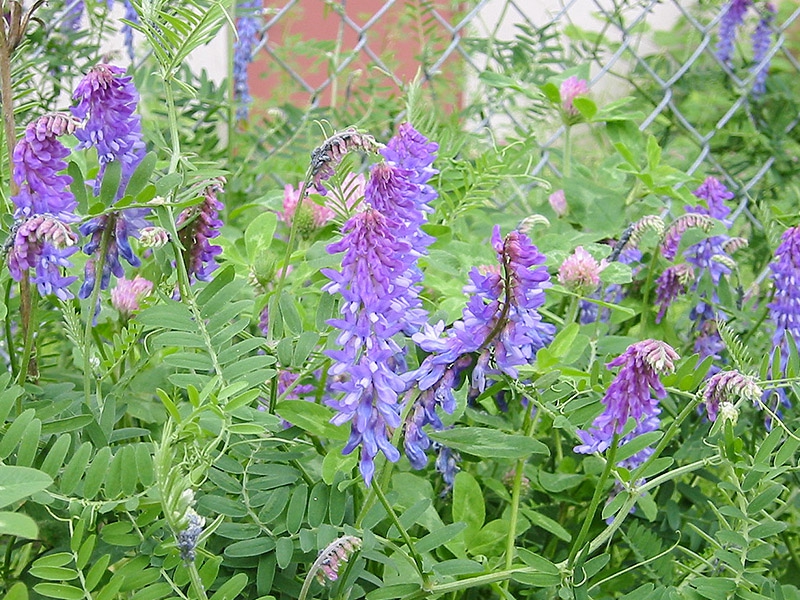
Vicia cracca has the following growth characteristics, propagation methods, and management guidelines. Growth Characteristics - Ecology: Vicia cracca is a perennial herbaceous plant native to Europe and Asia, thriving primarily in moist and sunny locations. - Appearance: The stems spread out long and grow as vines, twining around other plants. The leaves are arranged in a feather-like pattern. - Flowers: It blooms with purple flowers mainly during the summer, appearing in long, trailing inflorescences. Propagation Methods - Seeds: It propagates well by seeds. Seeds germinate easily when sown on the surface of the soil. - Root Division: It is also possible to divide the roots of mature plants and plant them in early spring or late summer. Cultivation Methods - Soil: Well-drained, moist soil is suitable, and it prefers a neutral to slightly acidic pH. 2. Light: It thrives in sunny locations but can also grow in partial shade. - Watering: Water thoroughly during the early stages of growth, and ensure the plant does not dry out thereafter. Uses in the Garden - Decorative Use: The purple flowers make it suitable for garden decoration. - Ground Cover: It propagates quickly and grows as a vining plant, making it useful as a ground cover. Important Pests and Control Methods - Diseases: Powdery mildew and gray mold are common. - Control: Ensure proper ventilation, remove infected areas, and use antimicrobial agents if necessary. - Pests: Pests such as aphids may occur. - Control: If pests are found, remove them immediately or control them using natural insecticides. To grow healthy Cracka (Vaccinium vitis-idaea) in the garden, it is important to utilize the methods mentioned above effectively.
Plant Type
Plant Family
legumes
Height
80~150cm
Spread
Colors
purple
Bloom Period
May~June
Water Needs
commonly
Exposure
semi-shaded area
Freezing Resistance
-30°C
bird peas
Vicia hirsuta
fine rake
Vicia angustifolia var. minor