English
한국어
English
Español
中文
हिंदी
Home
News
Community
Dictionary
English
한국어
English
Español
中文
हिंदी
View list
Perilla
Perilla frutescens
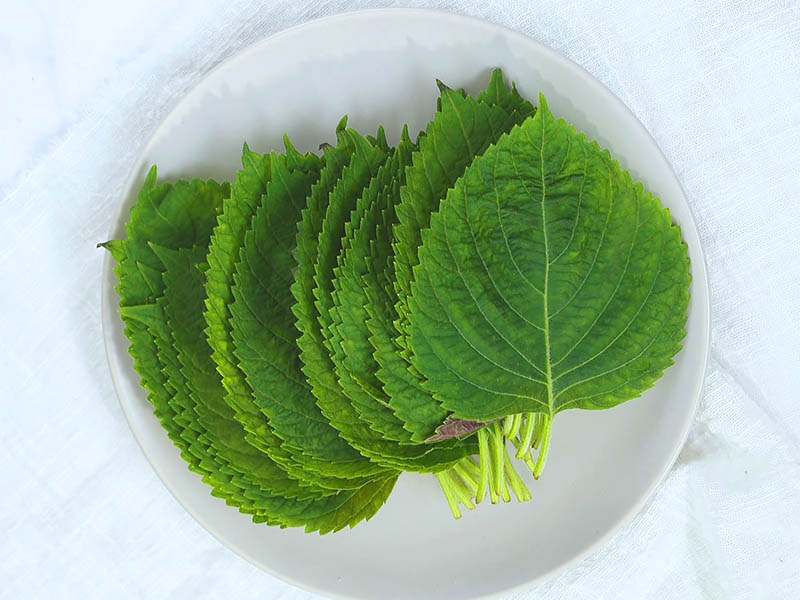
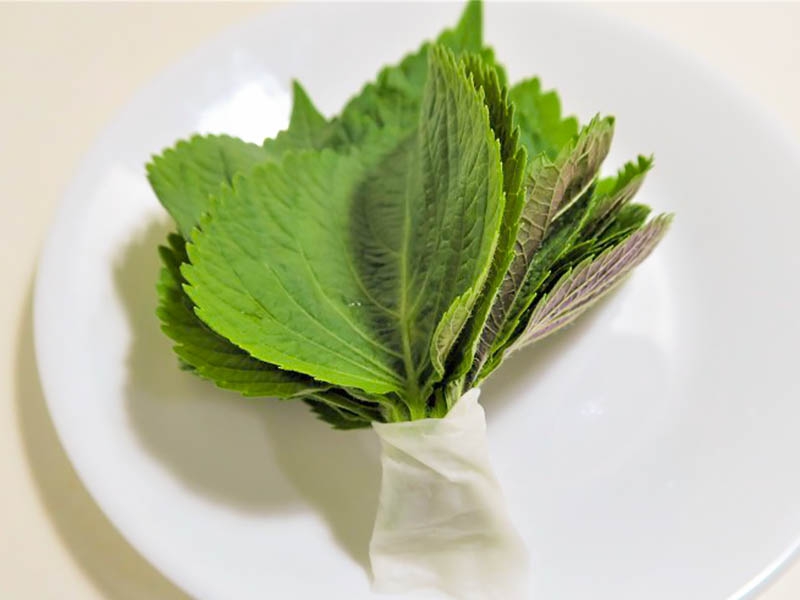
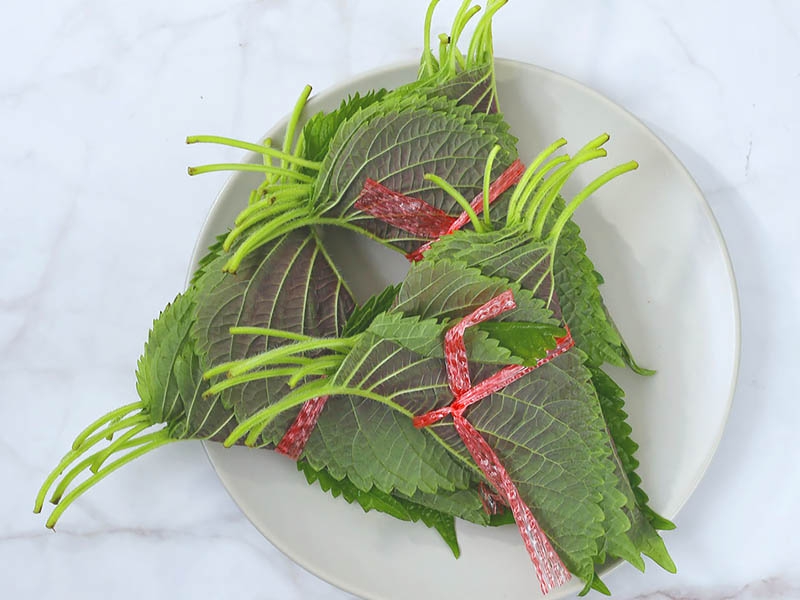
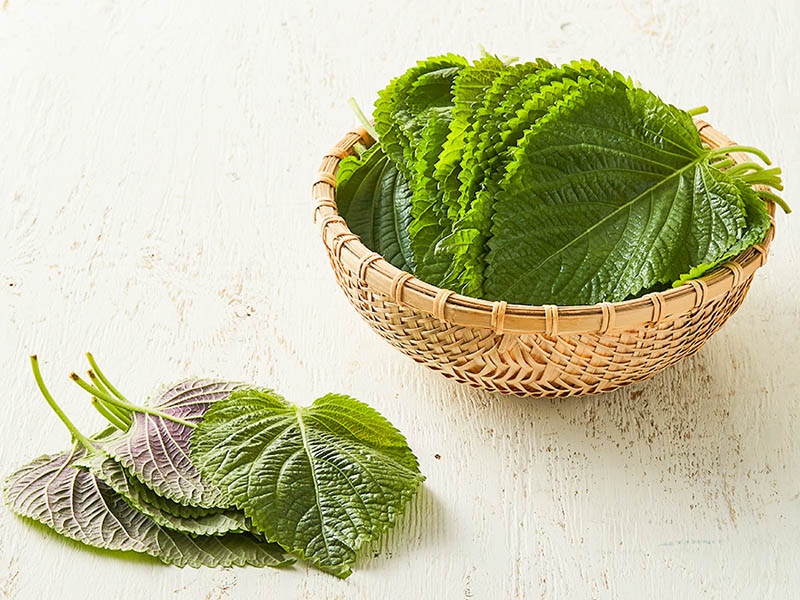
I will explain the growth characteristics, propagation methods, cultivation methods, garden uses, and major pests and diseases and control methods of Perilla frutescens. Growth Characteristics Perilla frutescens is an annual plant belonging to the Lamiaceae family and is widely cultivated primarily in Asia. It grows to a height of approximately 60 to 90 cm, and its leaves are lance-shaped with serrated edges. Perilla thrives in sunny locations and prefers well-drained soil. Propagation MethodsPerilla frutescens is primarily propagated by seeds. In the spring, when temperatures warm up, seeds can be sown directly in the open ground or germinated indoors before transplanting. The seeds have good germination rates and germinate within 1 to 2 weeks. Cultivation Methods When cultivating perilla frutescens, you should select a location with abundant sunlight, and it is recommended to use soil that is well-drained and aerated. A soil pH of 6.0 to 7.0 is ideal. Water frequently, but be careful not to overwater. Perilla leaves grow better when the soil contains sufficient organic matter. Uses in the GardenPerilla leaves are widely used as a culinary ingredient due to their unique aroma and flavor. Growing perilla in the garden allows you to harvest them fresh and use them in various dishes. Additionally, the beautiful shape of the leaves makes them suitable for ornamental purposes in flowerbeds or pots. Important Pests and Diseases and Control Methods While perilla is relatively resistant to pests and diseases, it can be susceptible to certain pests and diseases. Representative pests include aphids and moths; to control them, it is important to observe the plants periodically and use appropriate pesticides. Furthermore, since fungal diseases can occur in excessively humid environments, ventilation and drainage must be managed thoroughly. In some cases, diseased parts should be removed early to prevent the spread of the disease. By following these methods, you can successfully cultivate and manage perilla leaves.
Plant Type
Plant Family
Lamiaceae
Height
60~90cm
Spread
Colors
white
Bloom Period
August~September
Water Needs
commonly
Exposure
Sunny
Freezing Resistance
-5°C
giraffe cactus
Pereskia aculeata
Small leaf
Perilla frutescens var. crispa