English
한국어
English
Español
中文
हिंदी
Home
News
Community
Dictionary
English
한국어
English
Español
中文
हिंदी
View list
Fool's knotweed
Persicaria pubescens
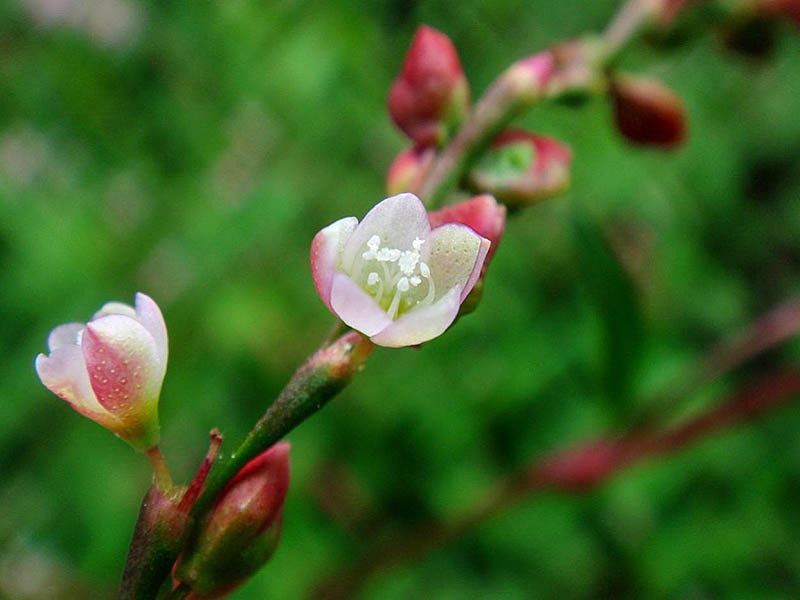
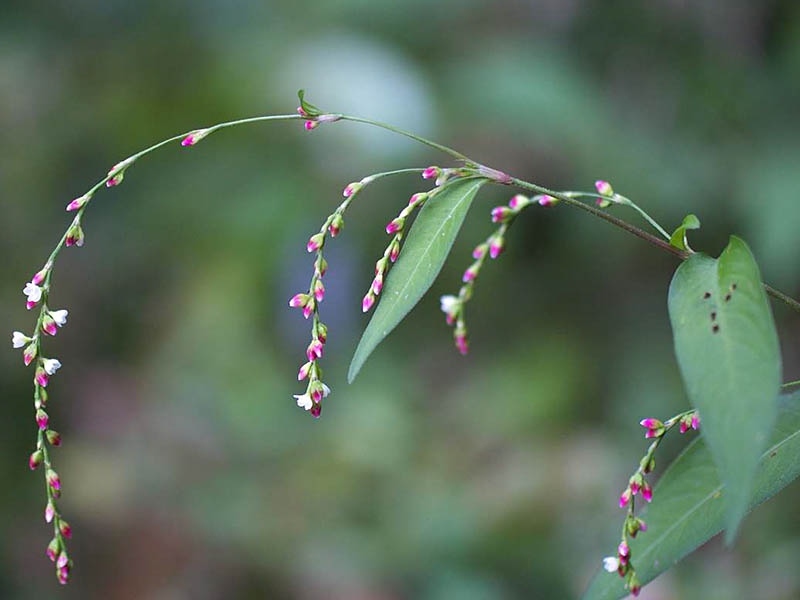
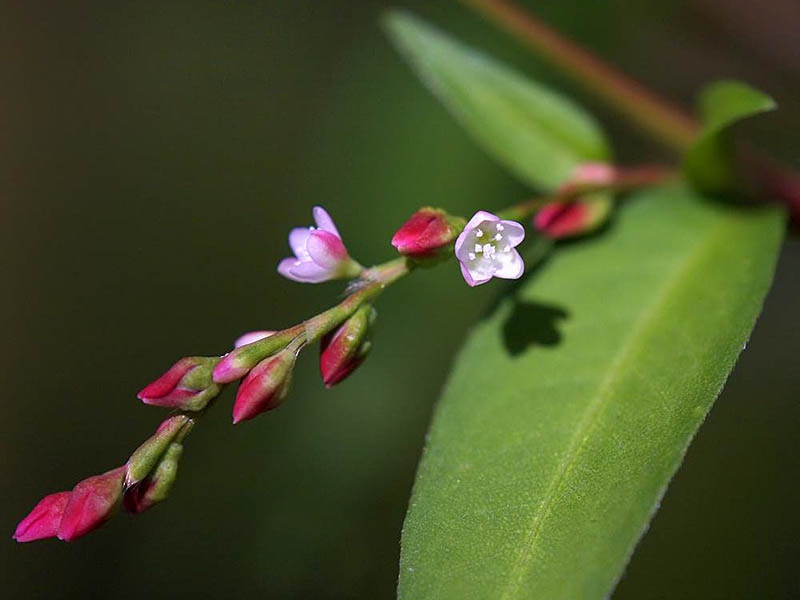
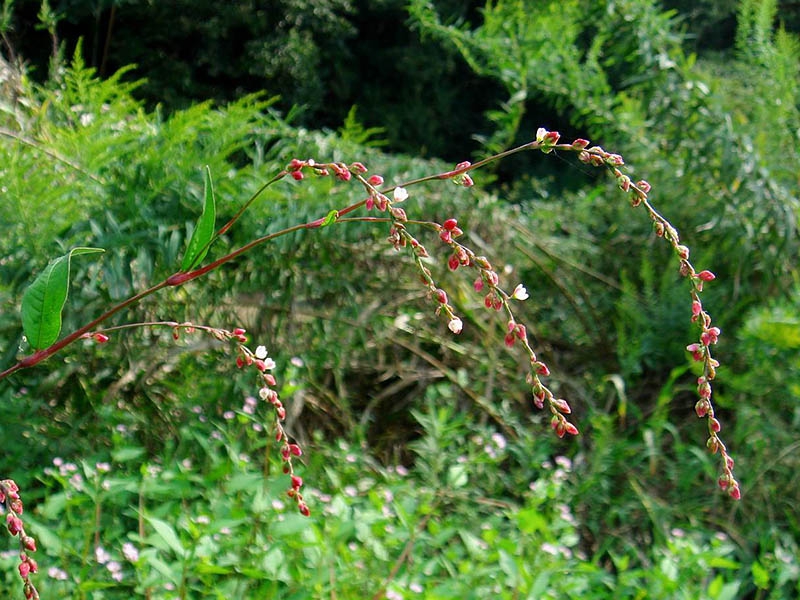
Persicaria pubescens has the following characteristics regarding growth, propagation, cultivation, garden use, major pests and diseases, and control methods. Growth Characteristics - Environmental Adaptability: Persicaria pubescens thrives in wetlands or near water and prefers locations in partial shade with plenty of sunlight. - Growth Cycle: As a perennial herbaceous plant, its growing season covers most of the year, excluding winter. - Height: It typically grows to about 50–100 cm, with stems growing directly from the roots. Propagation Methods - Seed Propagation: It can be propagated using seeds, which are generally sown in the spring. - Cuttings: Cuttings, where stems are cut and planted, are also a viable method. Cultivation Methods - Soil: It grows well in moist, fertile soil. - Water Management: Since it likes water, frequent watering is necessary. - Fertilizer: Supplying organic fertilizer in spring and summer helps with growth. Use in the Garden - Polygonum hydropiper is suitable for natural garden designs and provides a beautiful landscape when planted near water or wetlands. - Its diverse green leaves and flowers add a unique charm to the garden. Important Pests and Control Methods - Pests: It is generally resistant to pests, but aphids and snails can cause problems. - Control Methods: - Aphids: Remove them using soapy water or organic insecticides. - Snails: Collect snails at night or control them using snail repellents. Polygonum hydropiper is a relatively easy plant to care for; as long as appropriate environmental conditions are provided, it can grow healthily in the garden.
Plant Type
Plant Family
Polygonaceae
Height
40~80cm
Spread
Colors
white
Bloom Period
August~September
Water Needs
commonly
Exposure
Sunny
Freezing Resistance
-20°C
daughter-in-law's bottom
Persicaria senticosa
daughter-in-law's navel
Persicaria perfoliata