English
한국어
English
Español
中文
हिंदी
Home
News
Community
Dictionary
English
한국어
English
Español
中文
हिंदी
View list
daughter-in-law's navel
Persicaria perfoliata
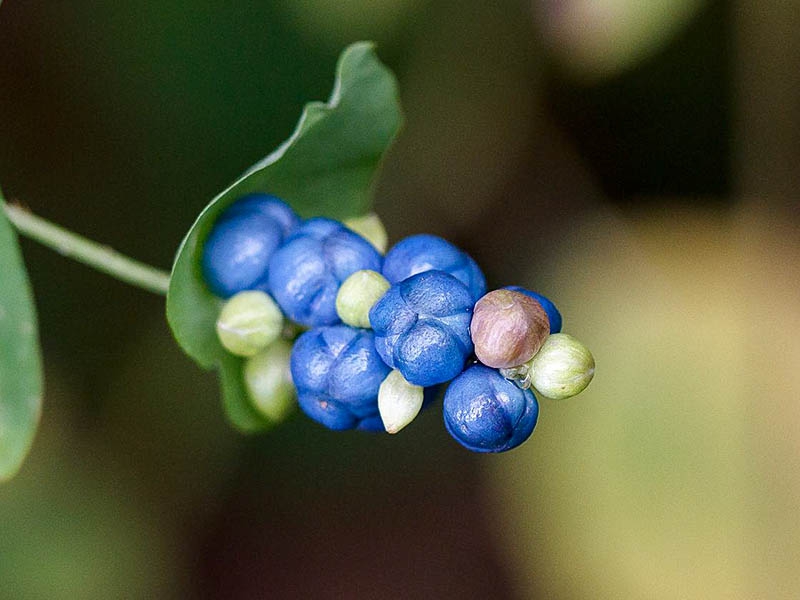
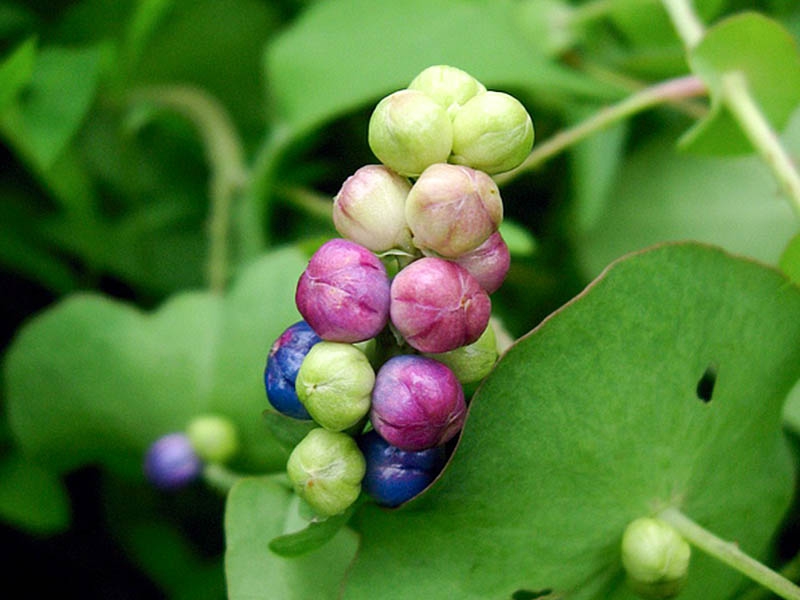
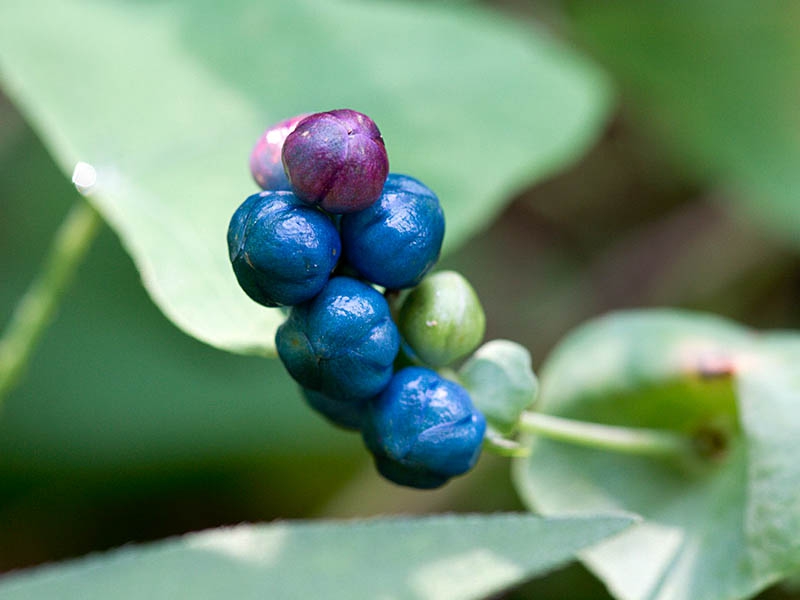
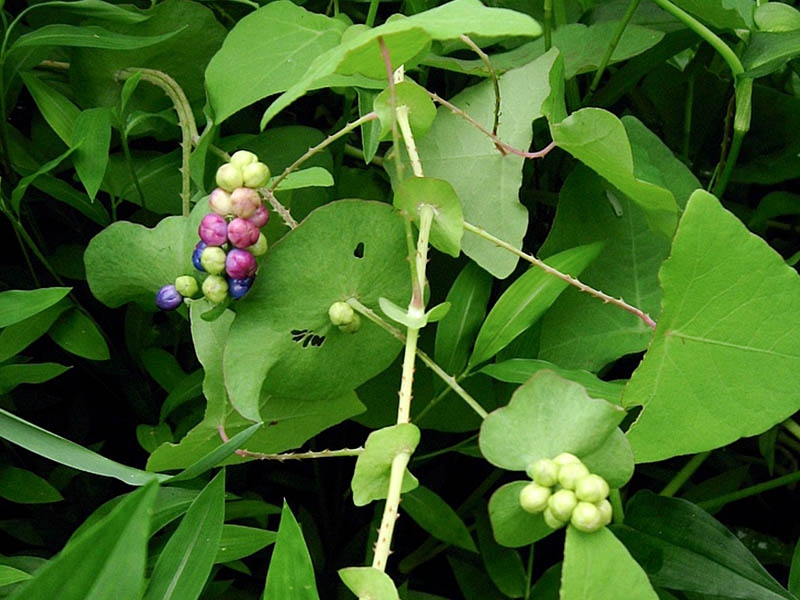
Persicaria perfoliata has the following growth characteristics, propagation methods, cultivation methods, garden uses, and information on major pests and diseases and control methods. Growth Characteristics - Growing Environment: It thrives primarily in moist soil and prefers full sun or partial shade. - Form: It is a climbing plant that climbs other plants or structures using thorn-like structures. - Growth Rate: It grows very rapidly and can hinder the growth of other plants. Propagation Methods - Seeds: It propagates through seeds contained in fruits. They can be easily dispersed by birds or water. - Vegetative Propagation: Vegetative propagation is also possible using stem or root fragments. Cultivation Methods - Soil: It grows well in well-drained, organic-rich soil. - Water: It requires a lot of water, so a sufficient supply is necessary periodically. - Care: Regular pruning helps suppress vigorous growth and improves ventilation. Garden Use - Ornamental: Can be used as a vining plant in shady areas or on slopes. - Precautions: Due to its strong reproductive capacity, care must be taken to avoid interfering with the growth of other plants in the garden. Important Pests and Control Methods - Diseases: No specific diseases are known, but caution should be exercised regarding fungal diseases caused by excessive moisture or poor ventilation. - Pests: Generally resistant to diseases and pests, leaf-eating insects may occur. - Control Methods: Prevention is achieved through regular pruning and ventilation, and natural pesticides are used when necessary. Although this plant has excellent self-sustaining capabilities, keep in mind that excessive growth can affect surrounding plants.
Plant Type
Plant Family
Polygonaceae
Height
1~2m
Spread
Colors
green
Bloom Period
July to September
Water Needs
commonly
Exposure
Sunny
Freezing Resistance
-30°C
Fool's knotweed
Persicaria pubescens
Hairy knotweed
Persicaria orientalis