English
한국어
English
Español
中文
हिंदी
Home
News
Community
Dictionary
English
한국어
English
Español
中文
हिंदी
View list
badge
Vicia villosa
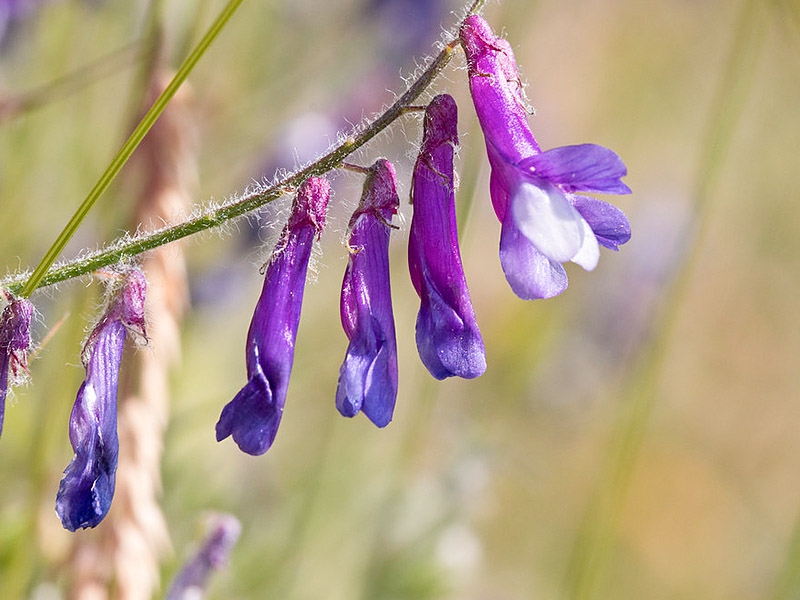
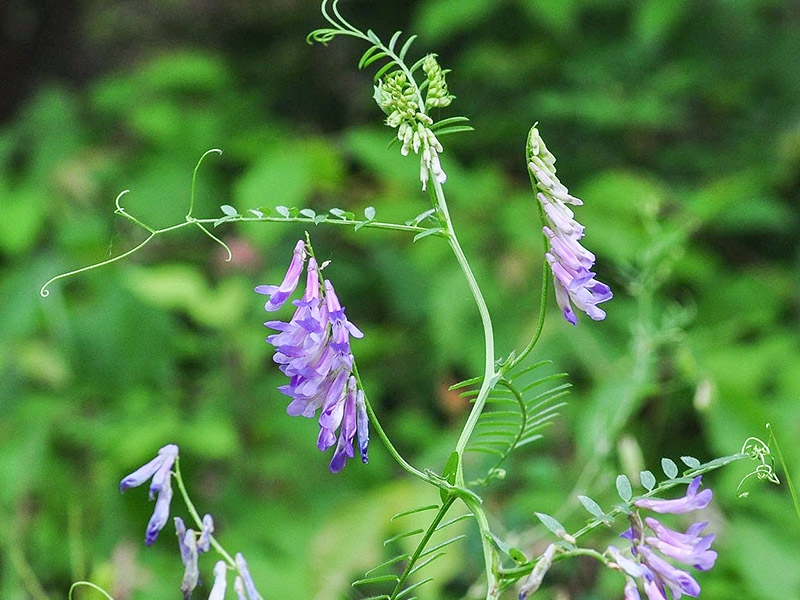
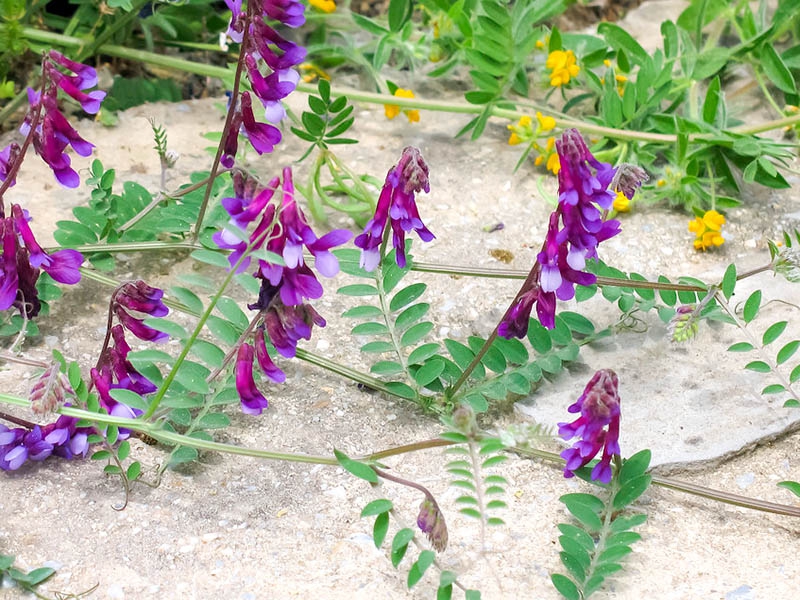
Vicia villosa is a legume and a vining plant that grows primarily in grasslands and fields. The following describes the growth characteristics, propagation methods, cultivation methods, garden uses, and major pests and diseases, as well as control methods. Growth Characteristics - Environmental Conditions: Vicia villosa prefers sunny locations and thrives in well-drained soil. While it can grow in various soil conditions, it prefers slightly acidic to neutral soils. - Height and Growth Rate: It can grow up to 2 meters in height and forms vines quickly. Propagation Methods - Seed Propagation: It is primarily propagated by seeds. Seeds can be sown directly in the spring or germinated indoors and then transplanted. - Germination: Seeds usually germinate within two weeks, and a germination temperature of approximately 15–20°C is suitable. Cultivation Methods - Sowing Time: It is best to sow in the cool spring or autumn. - Watering: Adequate water supply is important during the initial growth stage. Once growth stabilizes, it can withstand drought to some extent. - Fertilizer: Due to its nitrogen-fixing ability, fertilizer requirements are not high; however, it is recommended to use compost to aid early growth. Uses in the Garden - Green Manure: It can be used as a green manure crop due to its nitrogen-fixing capabilities. - Vining Plant: Suitable for covering trellises or fences. - Ecosystem Support: The flowers help attract various insects, such as bees. Important Pests and Control Methods - Diseases: May be susceptible to damage from aphids, snails, etc. - Control: Natural enemies can be utilized, or eco-friendly insecticides can be used. - Pests: Caution should be exercised regarding root rot caused by excessive moisture. - Control: Avoid overwatering and ensure good drainage. Veggie Billosa is a plant with high adaptability to the environment that can be utilized for a variety of purposes. You can maintain healthy growth through proper management and preventive methods.
Plant Type
Plant Family
legumes
Height
30~70cm
Spread
Colors
amethyst
Bloom Period
June~July
Water Needs
commonly
Exposure
semi-shaded area
Freezing Resistance
-15°C
Calquinia
Vicia amoena
long-leaved butterfly vine
Vicia unijuga f. angustifolia