English
한국어
English
Español
中文
हिंदी
Home
News
Community
Dictionary
English
한국어
English
Español
中文
हिंदी
View list
long-tailed loach fishing
Persicaria hastatosagittata
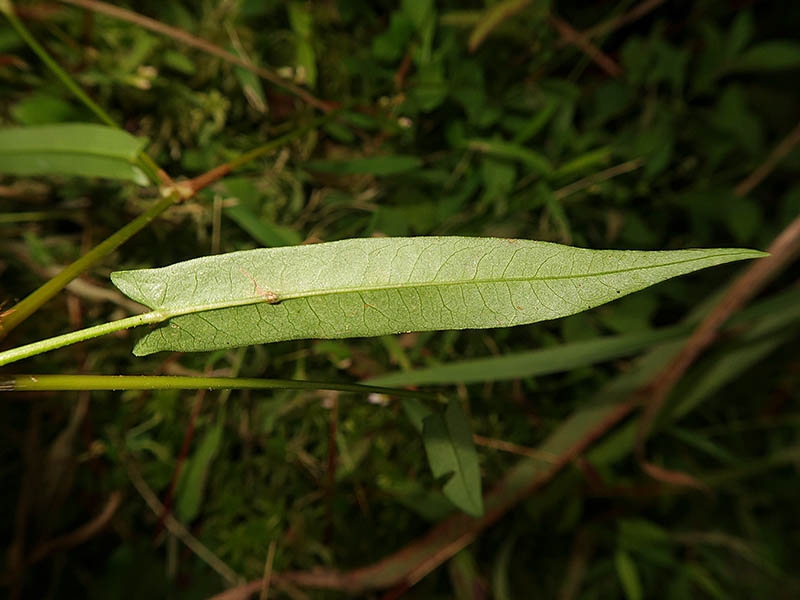
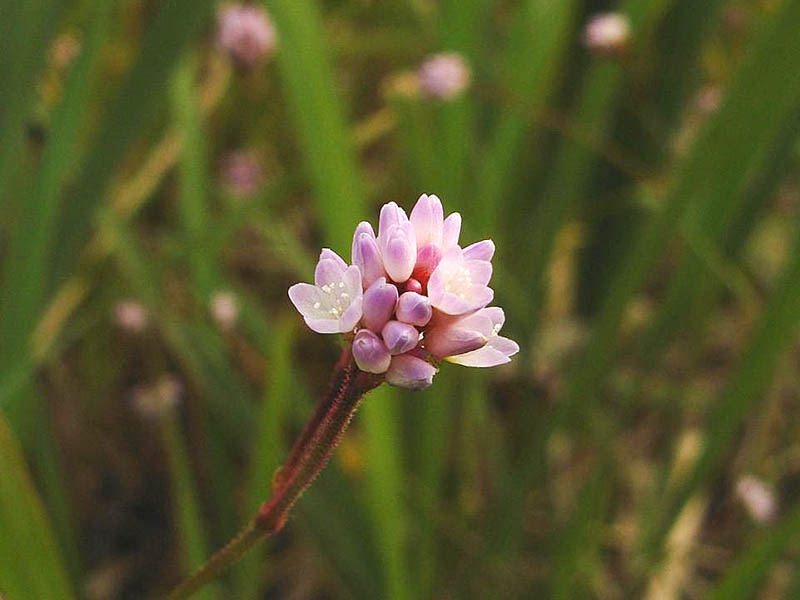
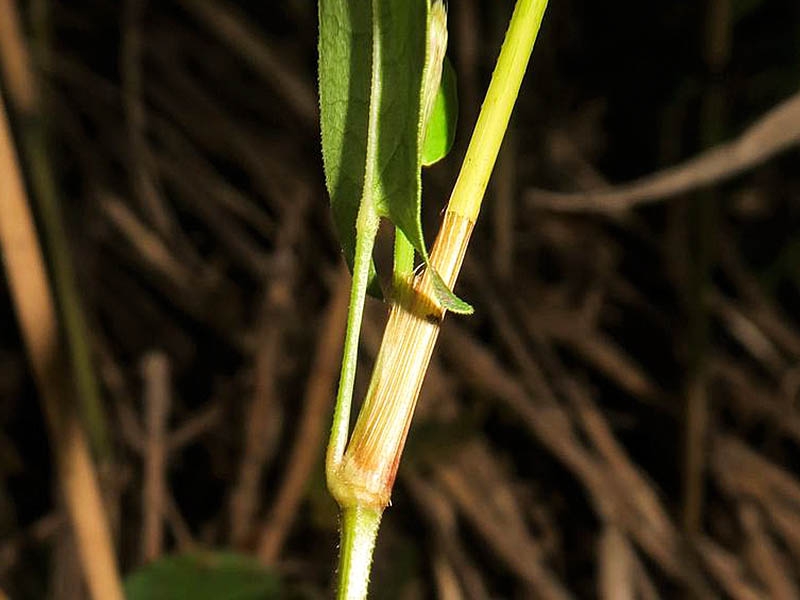
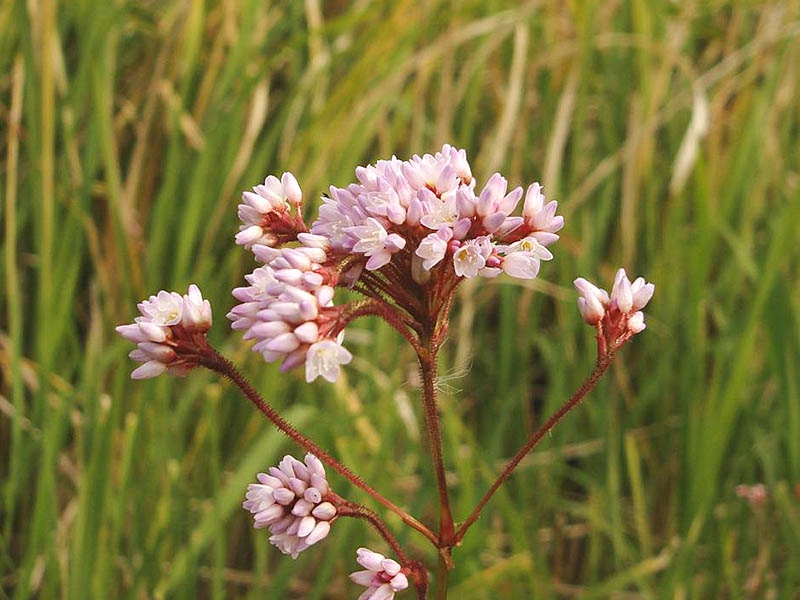
The following is information regarding Persicaria hastatosagittata: Growth CharacteristicsIt thrives in moist environments and is primarily found near water or in wetlands. As a perennial plant, it flowers from summer to autumn and grows well even in partial shade. Propagation MethodsIt is primarily propagated by seeds. Seeds fall naturally after the flowers fade and germinate, easily growing into new plants under suitable conditions. Propagation is also possible by cutting stems and planting them in the ground. Cultivation MethodsWhen cultivating, it is recommended to provide moist soil and partial shade. When planting in a flower bed, select well-draining soil and supply sufficient moisture. Additionally, it is advisable to protect the plant during the cold winter. Uses in GardensIt is suitable for planting as an ornamental plant in gardens or around ponds. Planting it near water, in particular, can create a natural landscape. The plant's unique shape and pink or white flowers provide a decorative effect. Important Pests and Control Methods Although it is relatively resistant to pests and diseases, root rot can occur due to excessive moisture. To prevent root rot, it is important to use well-drained soil. To control pests such as fungi, you can remove diseased parts of the plant and use fungicides. If pests occur, using appropriate pesticides is effective. This plant is uncommon in Korea and requires careful management.
Plant Type
Plant Family
Polygonaceae
Height
80cm
Spread
Colors
purple, pink
Bloom Period
September to October
Water Needs
commonly
Exposure
Sunny
Freezing Resistance
-30°C
Polygonum persicaria
Persicaria hydropiper
Spikeberry
Persicaria filiformis