English
한국어
English
Español
中文
हिंदी
Home
News
Community
Dictionary
English
한국어
English
Español
中文
हिंदी
View list
Polygonum persicaria
Persicaria debilis
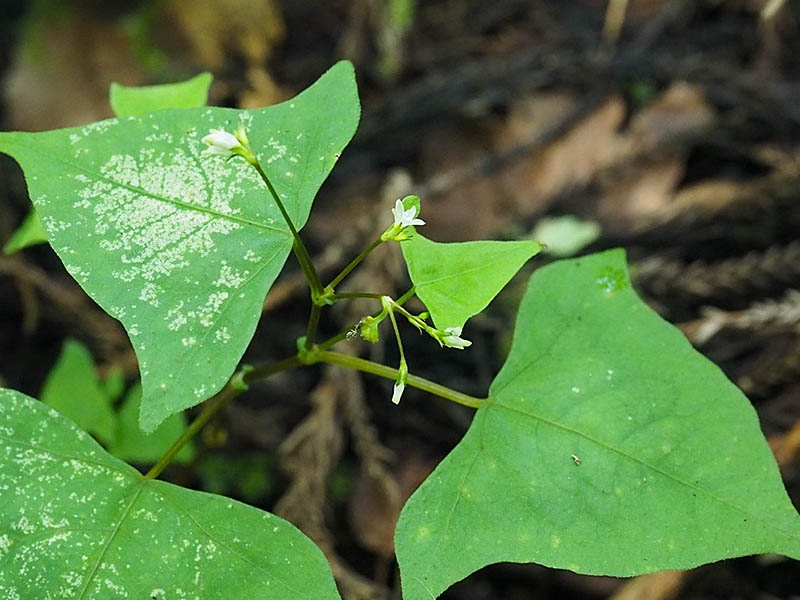
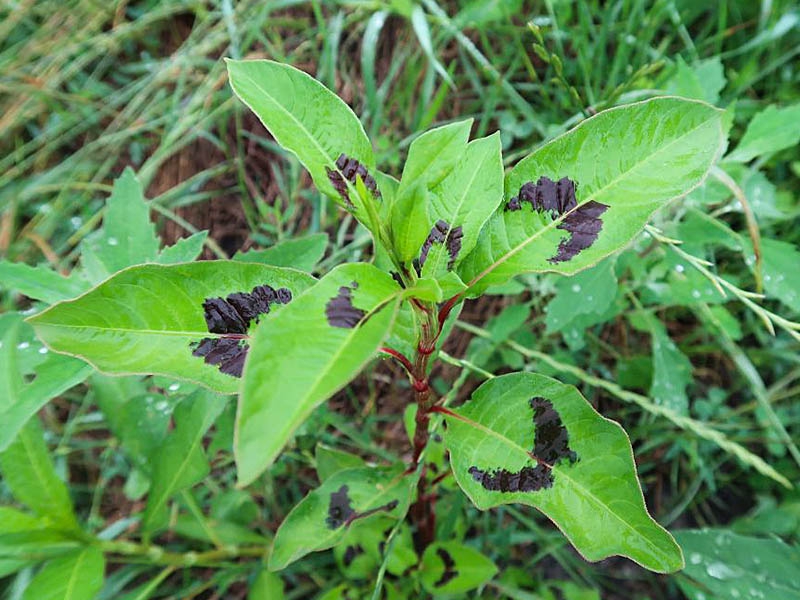
Persicaria debilis is a perennial herbaceous plant belonging to the Polygonaceae family and is frequently found in subtropical and temperate climates. The following is information regarding the growth characteristics, propagation methods, cultivation methods, garden uses, and major pests and control methods of Persicaria debilis. Growth Characteristics - Environment: Persicaria debilis prefers environments ranging from partial shade to full sun and thrives in moist soil. Well-drained soil is particularly suitable. - Growth Habits: The stems grow long and exhibit a characteristic internode structure. The leaves are alternate, petiolate, and pointed at the tips. - Flowers and Fruits: It blooms with small pink or white flowers from summer to autumn. Afterward, it produces small, nut-shaped seeds. Propagation Methods - Seeds: It can be propagated by seeds; direct sowing in spring or autumn is recommended. - Root Division: It can also be propagated by dividing and planting root clumps. This method is performed in spring or early autumn. Cultivation Method - Planting: Plant in well-drained soil at appropriate intervals. Mix in plenty of compost or organic fertilizer before planting. - Watering: Water thoroughly during the initial stage; thereafter, water carefully to prevent the soil from becoming too dry. - Fertilization: It is recommended to apply organic fertilizer 1 to 2 times a year. Garden Uses - Landscaping: Polygonum trichomanes is excellent for ground cover and suitable for landscaping to attract attention during the flowering season. - Ecological Benefits: Prevents soil erosion and provides habitats for various insects. Major Pests and Diseases & Control Methods - Diseases: Leaf spots or discoloration may occur. Major diseases include leaf blight. - Control: Remove diseased parts at the early stages of infestation and use general-purpose fungicides if necessary. - Pests: Damage may occur from aphids or moths. - Control: For an eco-friendly solution, use soapy water or vegetable oil to eliminate pests. Use appropriate insecticides when necessary. To effectively manage Polygonum persicaria, it is essential to provide adequate moisture and fertilizer while carefully considering the surrounding environment and growth conditions, as well as to continuously monitor and manage pests and diseases.
Plant Type
Plant Family
Polygonaceae
Height
20~40cm
Spread
Colors
white
Bloom Period
August~September
Water Needs
commonly
Exposure
semi-shaded area
Freezing Resistance
-20°C
Spiked knotweed
Persicaria dissitiflora
Kkotnyukki
Persicaria conspicua