English
한국어
English
Español
中文
हिंदी
Home
News
Community
Dictionary
English
한국어
English
Español
中文
हिंदी
View list
Manchurian knotweed
Persicaria foliosa
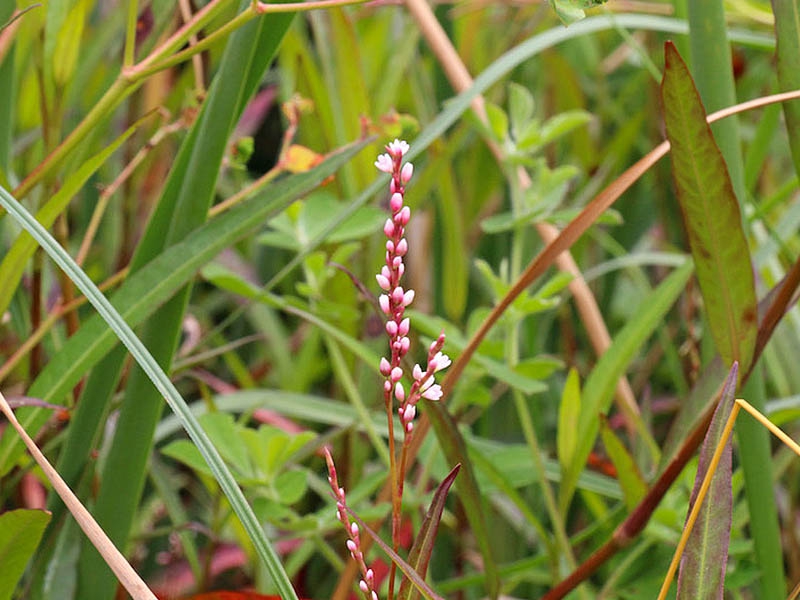
Persicaria foliosa has the following growth characteristics, propagation methods, cultivation methods, garden uses, and major pests and diseases and their control methods. Growth Characteristics - Growing Environment: Persicaria foliosa thrives in wetlands or near water and grows well in moist environments. - Growth Habits: As a perennial herbaceous plant, it primarily flowers between summer and autumn, and its leaves are long and narrow. - Sunlight: It prefers partial to full sun, but can grow in some shade. Propagation Methods - Seed Propagation: It can be propagated by seeds. To increase germination rates, seeds can be germinated in a warm indoor environment in the spring and then transplanted. - Root Division: It can be propagated by dividing the roots in spring or autumn. Cultivation Methods - Soil: Use well-drained soil rich in organic matter. - Watering: It prefers moisture, so provide sufficient water. Care must be taken with water management, especially during dry periods. - Fertilizer: It is recommended to provide nutrients using slow-release fertilizers during the growing season. Uses in the Garden - Landscape Plant: Provides a beautiful landscape in aquatic gardens or natural gardens. - Control Plant: Can be effectively used to prevent erosion along waterways. Important Pests and Control Methods - Pests and Diseases: While generally resistant to pests, caution should be exercised regarding fungal diseases such as leaf blight. - Control Methods: Infected parts should be removed immediately, and prevention can be achieved by creating a well-ventilated environment. Use appropriate fungicides if necessary. Based on this information, you can properly manage and cultivate Manchurian Polygonum hydropiper.
Plant Type
Plant Family
Knotweed family
Height
30cm
Spread
Colors
red
Bloom Period
August to September
Water Needs
commonly
Exposure
Sunny
Freezing Resistance
-20°C
Polygonum aviculare
Persicaria neofiliformis
Daedongyeokki
Persicaria koreensis