English
한국어
English
Español
中文
हिंदी
Home
News
Community
Dictionary
English
한국어
English
Español
中文
हिंदी
View list
long-leaved butterfly vine
Vicia unijuga
f.
angustifolia
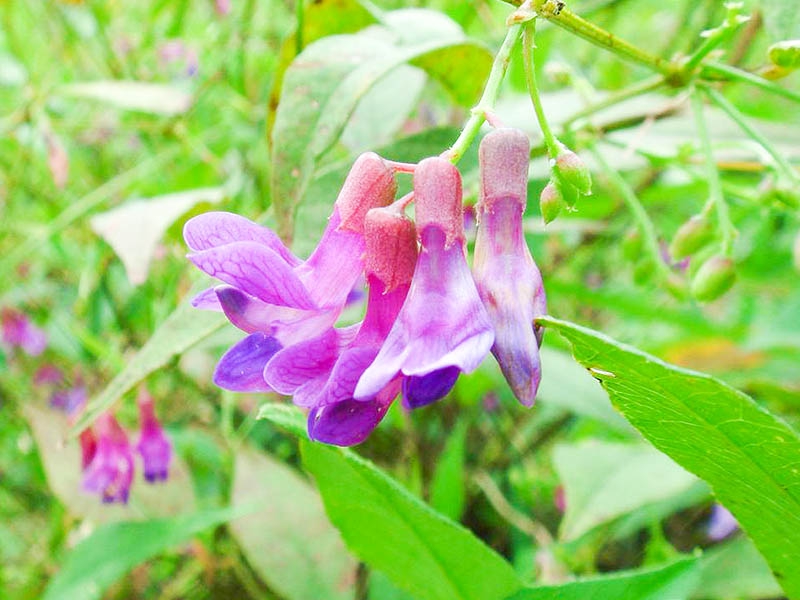
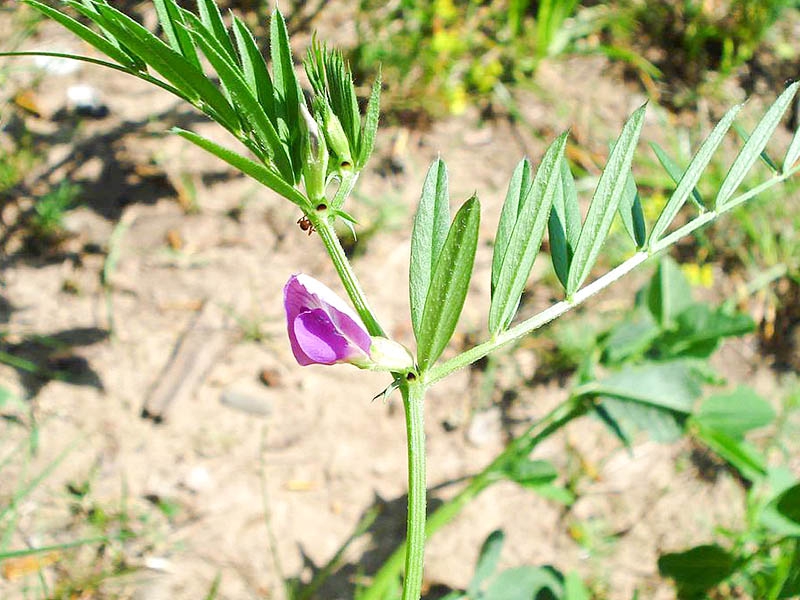
I will explain the growth characteristics, propagation methods, cultivation methods, garden uses, and major pests and diseases and control methods for Lysimachia angustifolia. Growth Characteristics Lysimachia angustifolia is a plant native mainly to Asia and thrives in relatively moist environments. This plant is characterized by its short stature and vining growth, and it is easily identifiable by its long, narrow leaves. Propagation Methods Lysimachia angustifolia is primarily propagated by seeds. It is recommended to collect seeds in the summer or autumn and sow them in the spring. Soaking the seeds in water for about a day before sowing increases the germination rate. Cultivation Methods - Soil: It is best to cultivate it in a well-drained area. - Sunlight: It grows well in partial shade or full sun. - Watering: It is best to water when the topsoil is slightly dry. - Fertilizer: Although it does not require a large amount of fertilizer, it is beneficial to apply a small amount of slow-release fertilizer during the early growth stage or before flowering. Uses in the Garden Long-leaved butterflywort (Uniyuga) is excellent for planting along garden borders or fences, taking advantage of its vining nature. Additionally, its beautiful flowers make it ideal for ornamental garden use. It can be usefully employed when creating a natural-looking garden. Important Pests and Control Methods - Pests and Diseases: Major pests include aphids and powdery mildew. - Control Methods: - Aphids: If discovered early, remove them by spraying water vigorously or using natural insecticides. - Powdery Mildew: Ensure good ventilation, and if the disease is severe, use an appropriate fungicide. With proper care and control, you can grow healthy plants. Enjoy using them beautifully in your garden.
Plant Type
Plant Family
legumes
Height
40~100cm
Spread
Colors
amethyst
Bloom Period
June to August
Water Needs
commonly
Exposure
semi-shaded area
Freezing Resistance
-15°C
badge
Vicia villosa
European vine
Vicia sepium