English
한국어
English
Español
中文
हिंदी
Home
News
Community
Dictionary
English
한국어
English
Español
中文
हिंदी
View list
oilseed
Peucedanum terebinthaceum
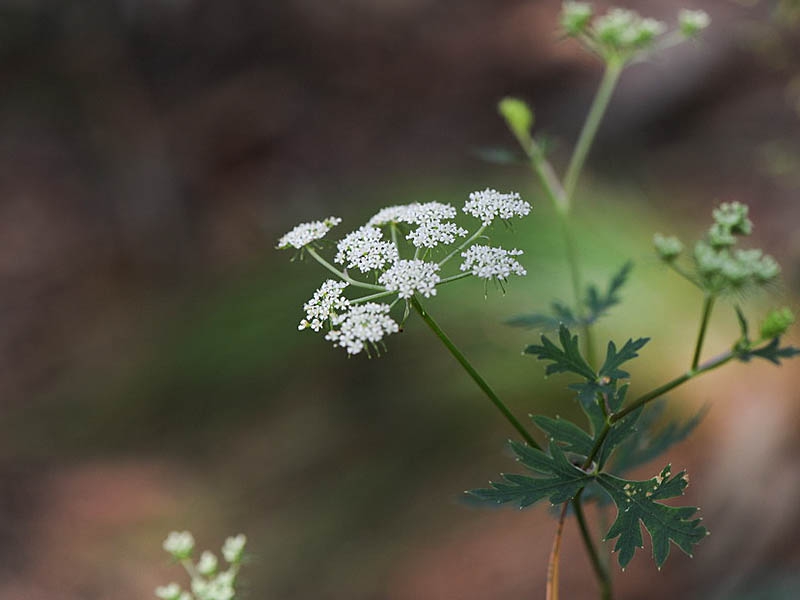
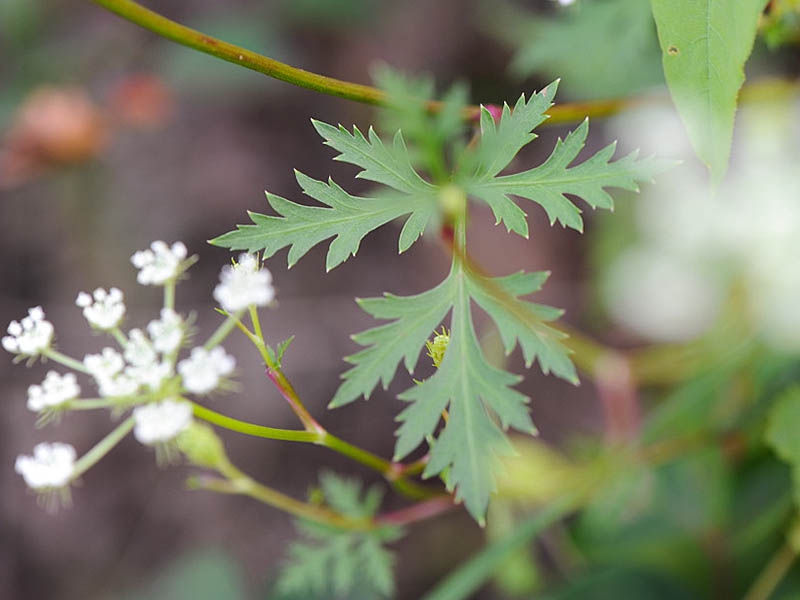
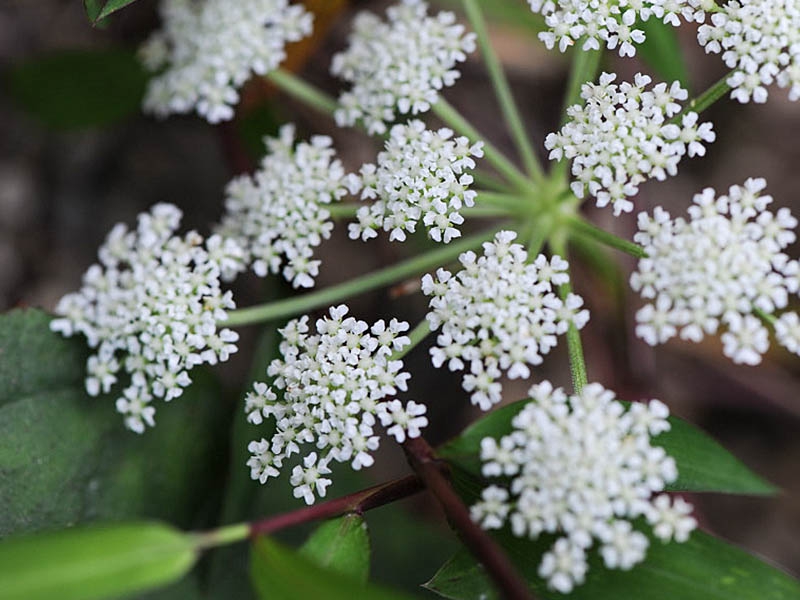
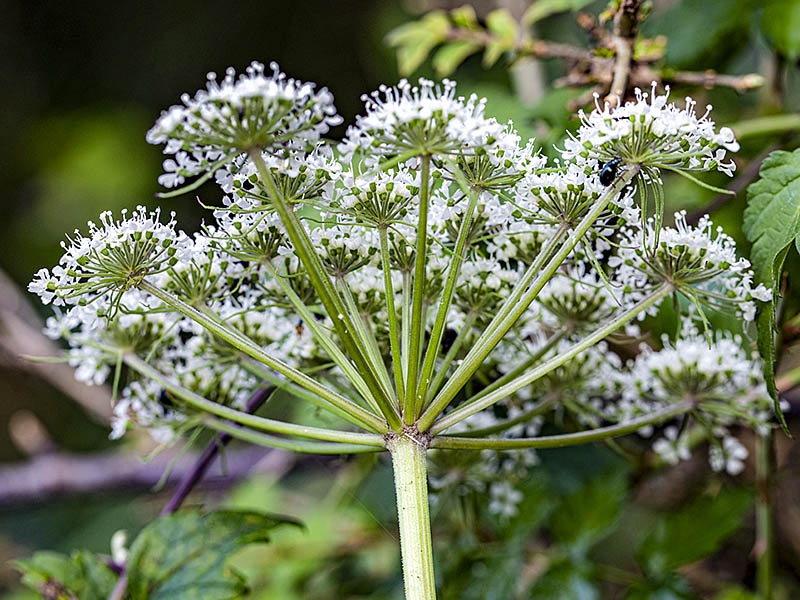
Peucedanum terebinthaceum is a plant native to East Asia, including Korea, and grows primarily in mountainous areas and fields. The following is information regarding the plant's growth characteristics, propagation methods, cultivation methods, garden uses, and major pests and diseases, as well as control methods. Growth Characteristics - Morphology: Peucedanum is a perennial herbaceous plant that grows to a height of approximately 50 to 100 cm. Its leaves are pinnately divided, and its flowers are small umbrella-shaped, appearing white or yellowish-white. - Growing Environment: It thrives in both full sun and partial shade and prefers well-drained soil. It grows abundantly in rock crevices in mountainous areas and in fields. Propagation Methods - Seed Propagation: Peucedanum primarily propagates by seeds. Mature seeds can be collected in the autumn and sown in the spring, or germination can be induced in natural conditions by stratifying them outdoors during the winter. - Root Division: Depending on the needs, you can propagate by dividing the roots in early spring or late autumn. Cultivation Methods - Soil Preparation: Prepare well-drained soil rich in organic matter. - Sowing: Lightly cover the seeds with soil in the spring. You can pre-cold treat the seeds to increase germination rates. - Watering: Avoid excessive moisture and water consistently to prevent the soil from drying out. - Fertilizer: While generally not heavily fertilized, slow-release fertilizers can be used in early spring and late summer to promote growth. Uses in the Garden - Landscaping Plant: Thanks to its beautiful leaves and flowers, Oenothera biennis is excellent for planting in gardens or flower beds. - Medicinal Plant: Traditionally used for medicinal purposes, it can be utilized in the garden for various uses depending on its reputation. Important Pests and Control Methods - Pests and Diseases: It is generally resistant to pests and diseases, but aphid or fungal infections may rarely occur. - Control Methods: - If aphids occur, they can be removed using soapy water or eco-friendly insecticides. - For fungal infections, adjust planting spacing to ensure good ventilation, and use an appropriate fungicide if necessary. Terrevinia is a relatively easy plant to care for; healthy growth can be expected if cultivated in an environment that closely mimics its natural habitat.
Plant Type
Plant Family
Apiaceae
Height
30~90cm
Spread
Colors
white
Bloom Period
July to September
Water Needs
commonly
Exposure
Sunny
Freezing Resistance
-10°C
Petunia 'Easy Wave Blue'
Petunia hybrid 'Easy Wave Blue'
Sea daisy
Peucedanum japonicum