English
한국어
English
Español
中文
हिंदी
Home
News
Community
Dictionary
English
한국어
English
Español
中文
हिंदी
View list
Pakelia Hastata
Phacelia hastata
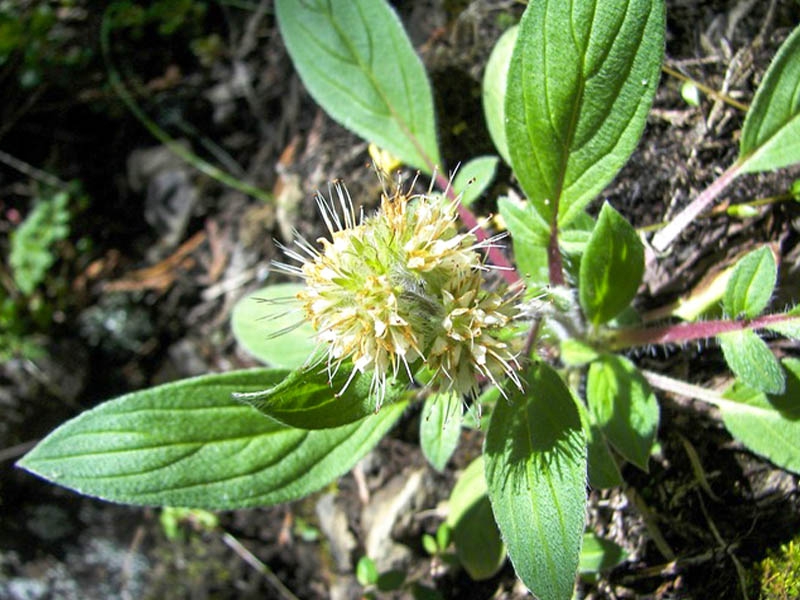
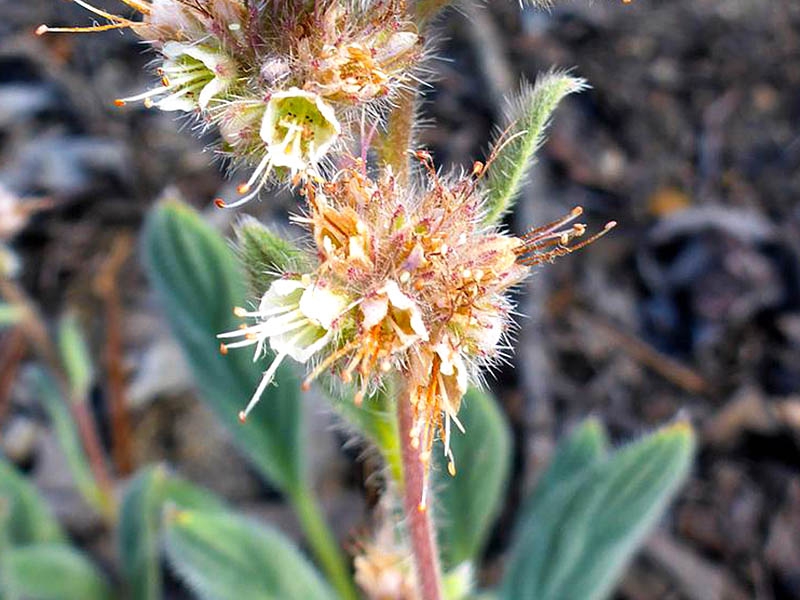
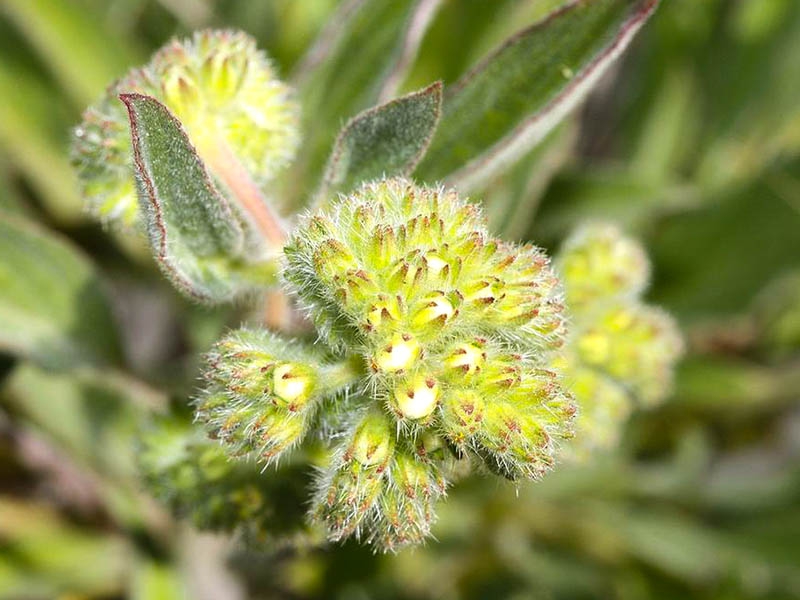
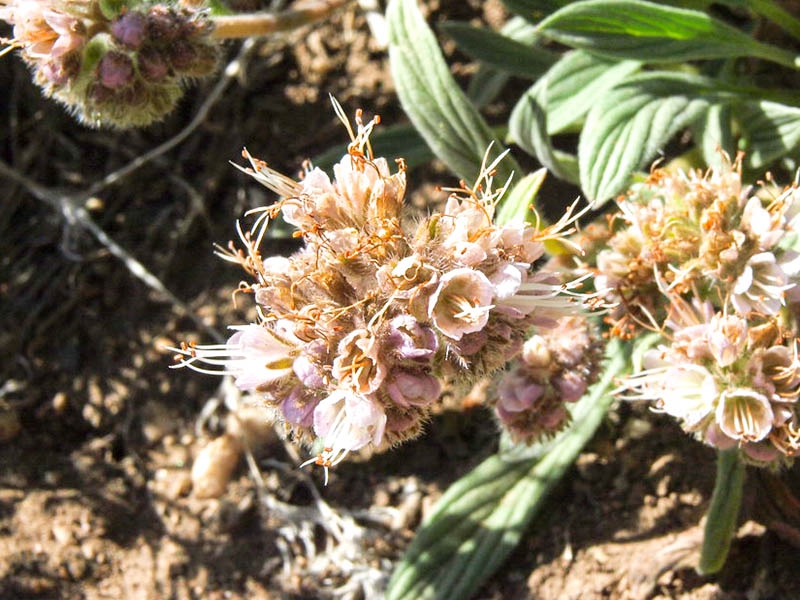
Growth Characteristics of Phacelia hastata Phacelia hastata is a herbaceous plant native to North America, growing primarily in dry environments in western regions. This plant grows to a height of approximately 30 to 60 cm and features silvery-gray leaves and characteristic purple flowers. Flowering occurs from spring to summer, and it is mainly used as an ornamental plant in wildflower gardens. Propagation Methods Phacelia hastata is primarily propagated by seeds. After germinating the seeds indoors, transplant them outdoors after the first frost. To increase the germination rate, it is recommended to wrap the seeds in damp paper and store them in the refrigerator for a few weeks before planting. Cultivation Methods This plant prefers well-drained soil and a location with plenty of sunlight. It is tolerant of dry conditions, so overwatering should be avoided. Regularly remove weeds and fertilize as needed. Particular care should be taken to avoid over-fertilizing. Use in the Garden Pachilia hastata is very popular as an ornamental plant, particularly for its vibrant colors that harmonize well with surrounding vegetation. It is also suitable for ecological gardens due to its ability to attract butterflies and bees. It is utilized in a variety of settings and is especially useful in water-scarce regions as it thrives even in dry environments. Important Pests and Control Methods Pachilia hastata is relatively resistant to pests, but it can rarely be damaged by pests such as aphids. If problems are detected in the early stages, they can be controlled using soapy water or organic insecticides. Additionally, fungal infections can be prevented by avoiding overwatering. Keep the area around the plant clean regularly and immediately remove any diseased parts.
Plant Type
Plant Family
Dental clinic
Height
30~60cm
Spread
Colors
purple
Bloom Period
May to July
Water Needs
commonly
Exposure
semi-shaded area
Freezing Resistance
-10°C
Parkelia Serikea
Phacelia sericea
Pakelia Californica
Phacelia californica