English
한국어
English
Español
中文
हिंदी
Home
News
Community
Dictionary
English
한국어
English
Español
中文
हिंदी
View list
Pakelia Vipinnatipida
Phacelia bipinnatifida
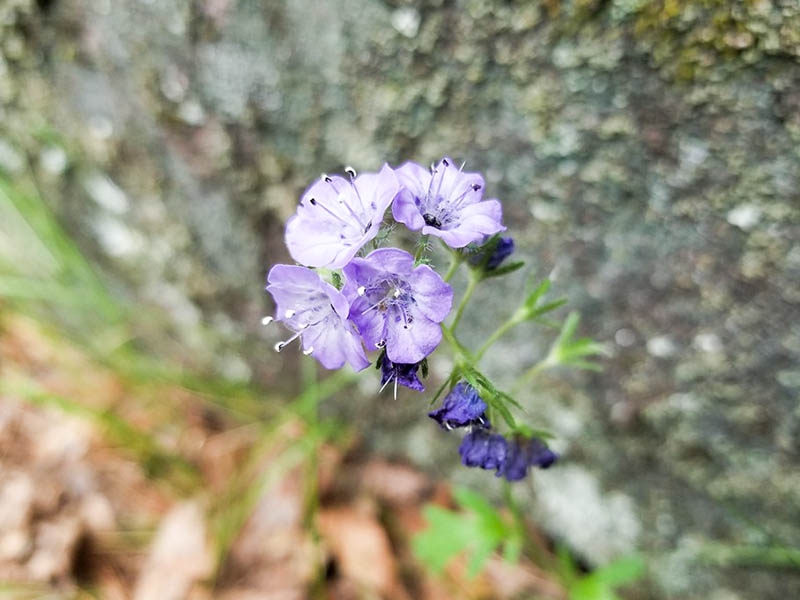
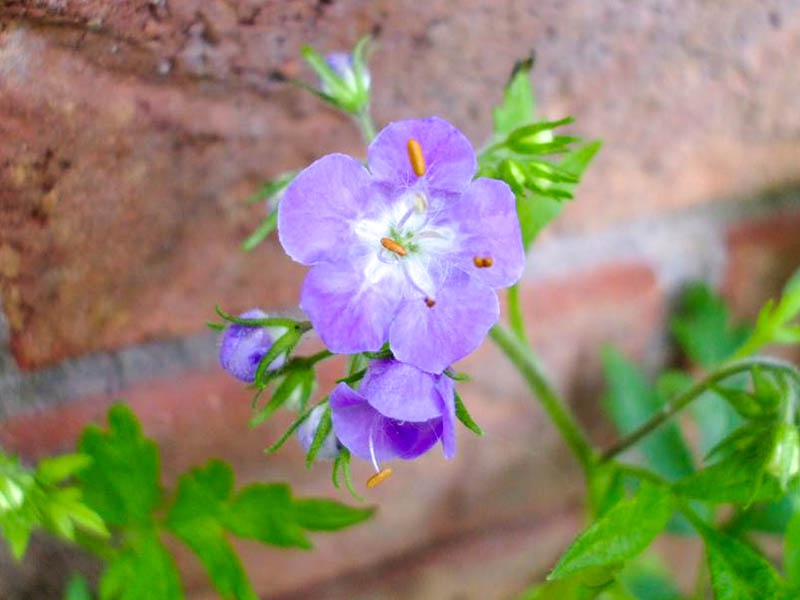
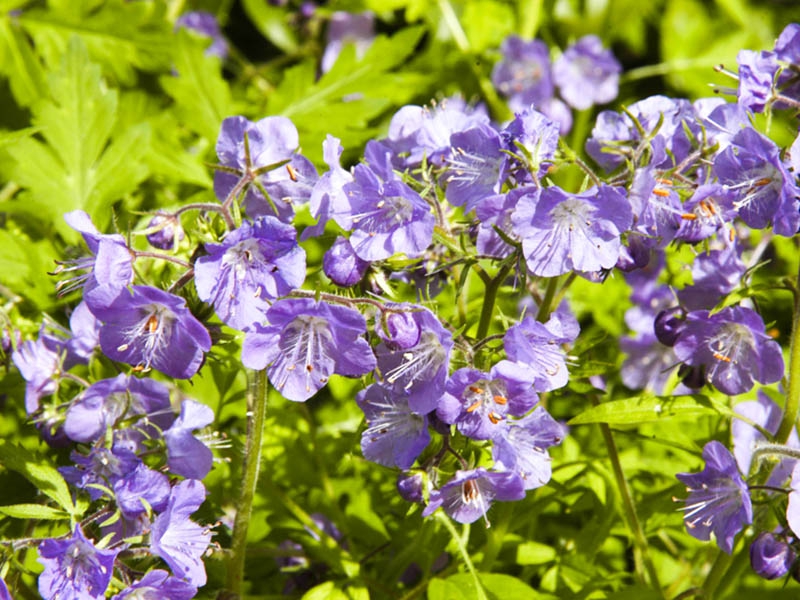
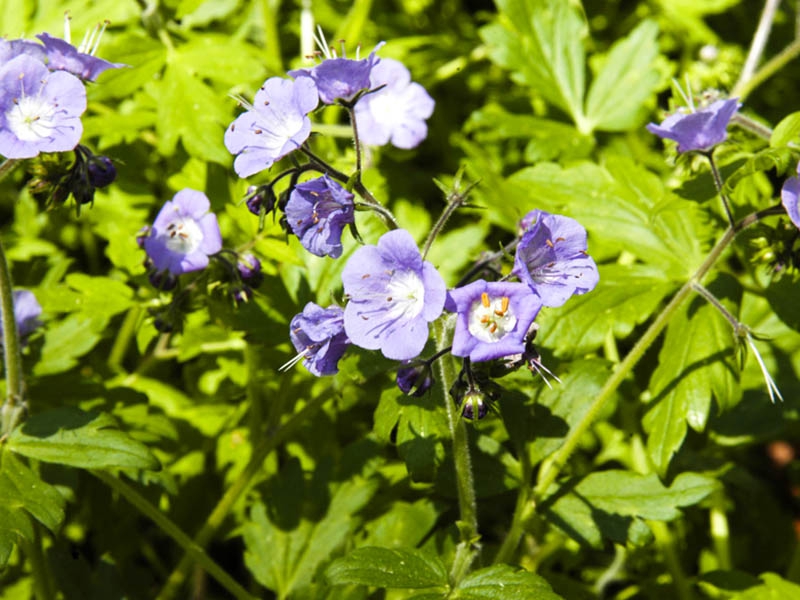
Phacelia bipinnatifida is a perennial herb native to North America. Its main characteristics, propagation methods, cultivation methods, garden uses, major pests and diseases, and control methods are as follows. Growth Characteristics:Phacelia bipinnatifida typically grows to a height of 30–60 cm and blooms with purple flowers in early summer. The flowers are arranged in a spiral pattern. This plant prefers sunlight but can also grow in partial shade and prefers well-drained soil. Propagation Methods: It is primarily propagated by seeds. Seeds can be sown directly in spring or autumn. Germination occurs within 1–2 weeks of sowing, and the germination rate is high. Cultivation Methods: This plant should be planted in well-drained soil and thrives in environments with good drainage. It dislikes excessive moisture, so cultivation should be avoided in poorly drained soil. While it can tolerate some dryness, it is best to avoid prolonged drought. Use in the Garden: Pachilia bipinnatifida is well-suited for natural gardens and flower gardens, and is effective in creating a natural atmosphere. It can be planted densely as ground cover and serves as a good food source for butterflies and bees. Important Pests and Control Methods: Pests such as aphids may occur. Pests can be eliminated by spraying soapy water at an appropriate concentration, and organic insecticides can be used if necessary. Additionally, care must be taken to prevent root rot caused by overwatering, and proper drainage management is crucial. By avoiding overwatering and managing the soil properly, the plant can be grown healthily. By referring to this information and properly caring for Pachilia bipinnatifida, you will be able to create a beautiful landscape in your garden.
Plant Type
Plant Family
Dental clinic
Height
30~90cm
Spread
90~120cm
Colors
purple
Bloom Period
March to June
Water Needs
commonly
Exposure
semi-shaded area
Freezing Resistance
-10°C
Pakelia Californica
Phacelia californica
Pakelia Tanaketifolia
Phacelia tanacetifolia