English
한국어
English
Español
中文
हिंदी
Home
News
Community
Dictionary
English
한국어
English
Español
中文
हिंदी
View list
parasitic worm
Phacellanthus tubiflorus
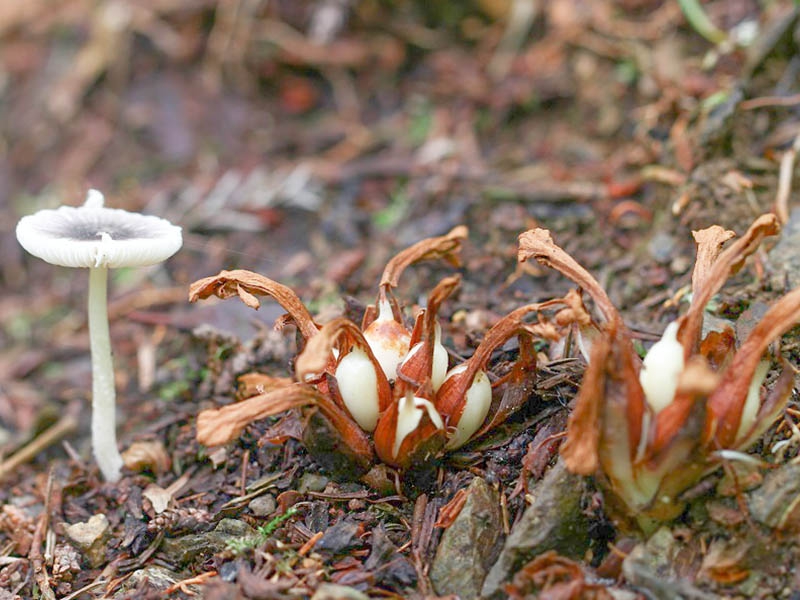
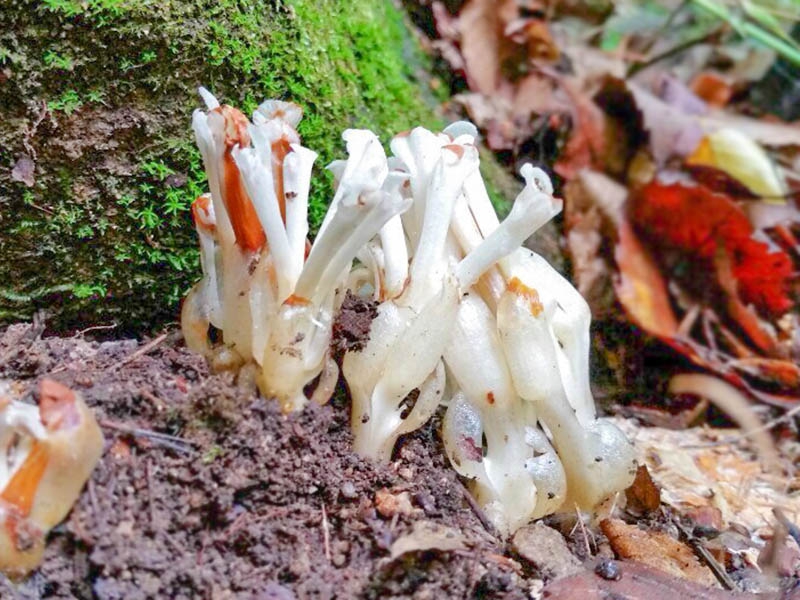
Phacellanthus tubiflorus is a parasitic plant found primarily in Asia, characterized by its ability to obtain nutrients by attaching to the roots of other plants. This plant can grow even in relatively low light conditions and typically thrives under trees or large shrubs. Growth Characteristics: Phacellanthus tubiflorus blooms with red or yellow flowers in the summer, which are close to a trumpet shape. Because its stems are weak and it lives parasitically on trees or other plants from the ground, it cannot stand independently. Propagation Method: It primarily reproduces by seeds, requiring a suitable host plant for propagation. Germination and growth are possible only when the seeds reach the roots of the host after falling. Cultivation Method: The most important aspect of cultivation is selecting an appropriate host plant. Generally, trees or large shrubs make good hosts. It grows better in partial shade than in full sun, and well-drained soil is suitable. Use in the Garden: Thanks to its unique appearance, it can be a focal point in the garden. However, since it is a parasitic plant, you must consider that it may affect the health of other plants. Important Pests and Control Methods: While its susceptibility to pests is relatively low, pests such as aphids or moths may appear on the leaves or flowers. To control these, it is recommended to observe the plant periodically and use eco-friendly insecticides. Additionally, as it is a parasitic plant, the health of the host plant must be continuously monitored. When cultivating Platycodon tubiflorus, it is important to carefully manage its relationship with other plants, fully considering its parasitic characteristics.
Plant Type
Plant Family
Orobanche
Height
5∼10cm
Spread
Colors
white
Bloom Period
July
Water Needs
commonly
Exposure
Sunny
Freezing Resistance
-5°C
Pakelia campanularia
Phacelia campanularia
Mosaedal
Phacelurus latifolius