English
한국어
English
Español
中文
हिंदी
Home
News
Community
Dictionary
English
한국어
English
Español
中文
हिंदी
View list
Sangijang
Phaenosperma globosum
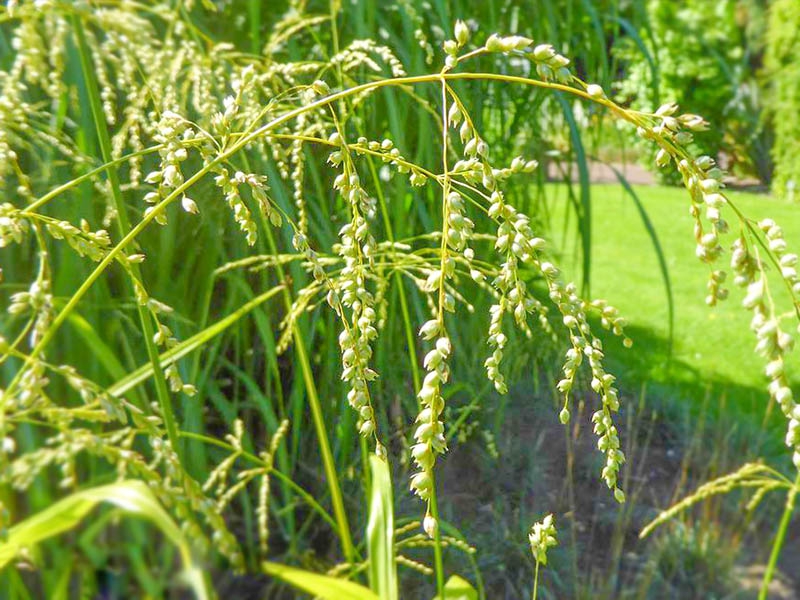
Phaenosperma globosa is a perennial herb with the following characteristics, propagation methods, cultivation methods, garden uses, major pests and diseases, and control methods. Growth Characteristics: - Growth Environment: Phaenosperma globosa thrives primarily in temperate climates and prefers environments with adequate sunlight and abundant water. - Soil Conditions: It grows well in fertile, well-drained soil. Soil within the acidic to neutral range is suitable. - Morphology: It grows to a height of approximately 50 cm, and its leaves are long, slender, and linear. Small, round flowers bloom during the summer. Propagation Methods: - Seed Propagation: Propagation by seeds is common. Seeds are sown in the spring; soaking them in water before sowing is recommended to increase germination rates. - Division Propagation: It can also be propagated by dividing the roots in spring or autumn. Cut off a healthy mother plant and plant each section separately. Cultivation Method: - Sowing Time: Sowing is primarily done in the spring, but it may be possible in late autumn in cool climates. - Watering: Watering frequency varies depending on the environment, but generally, water thoroughly 1 to 2 times a week. However, caution is required if drainage is poor. - Fertilization Time: During the growing season, it is recommended to apply compound fertilizer about once a month. Uses in the Garden: - Sankijang (Globosa) grows well in shady areas or near water and is highly useful as a ground cover plant. It can also be used as a lawn substitute or as a boundary plant. Important Pests and Control Methods: - Diseases: While generally resistant to diseases, fungal diseases may occur in overly humid environments. Proper ventilation and drainage are important. - Pests: Aphids or scale insects may occur. If discovered early, remove them by washing with water, or use an appropriate insecticide if necessary. - Prevention: Regular observation and environmental management are essential for preventing pests and diseases. Sangijang Globosa has hardy properties that require no special care, and since it grows well outdoors when provided with a suitable environment, it is a plant that even beginners can easily handle.
Plant Type
Plant Family
Poaceae
Height
1∼1.5m
Spread
Colors
green
Bloom Period
May to June
Water Needs
commonly
Exposure
Sunny
Freezing Resistance
-10°C
Mosaedal
Phacelurus latifolius
Phalaenopsis viola
Phalaenopsis violacea