English
한국어
English
Español
中文
हिंदी
Home
News
Community
Dictionary
English
한국어
English
Español
中文
हिंदी
View list
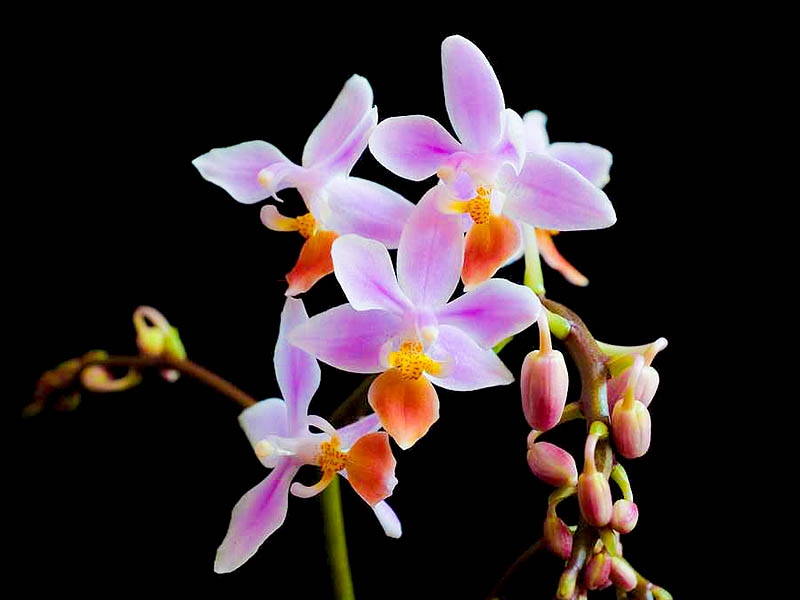
Phalaenopsis Equestrias
Phalaenopsis equestris
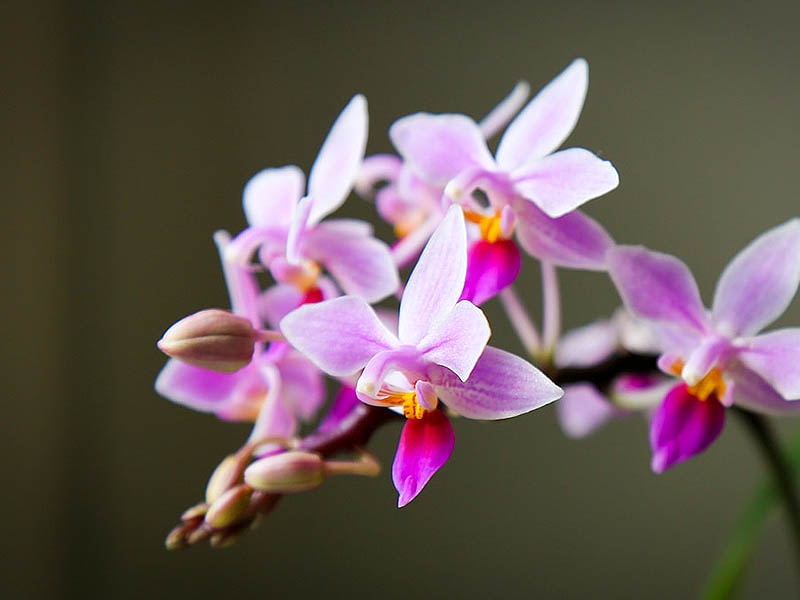
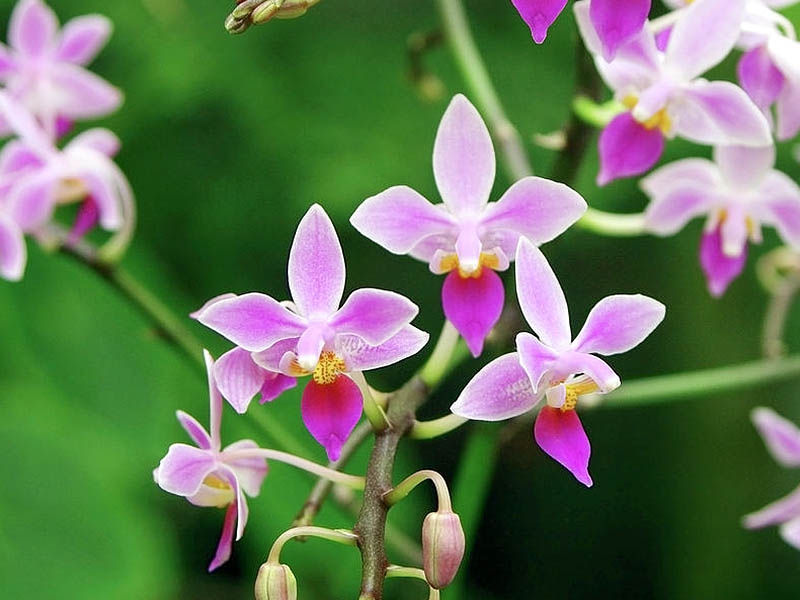
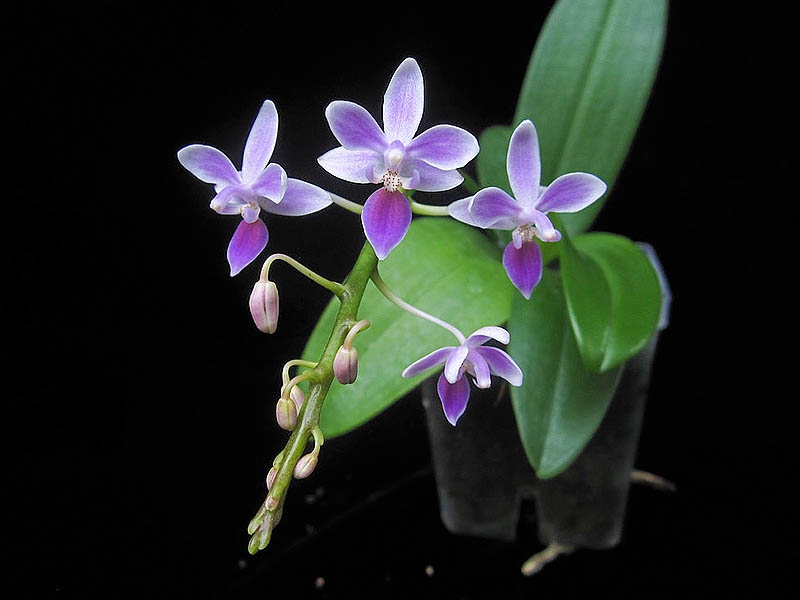
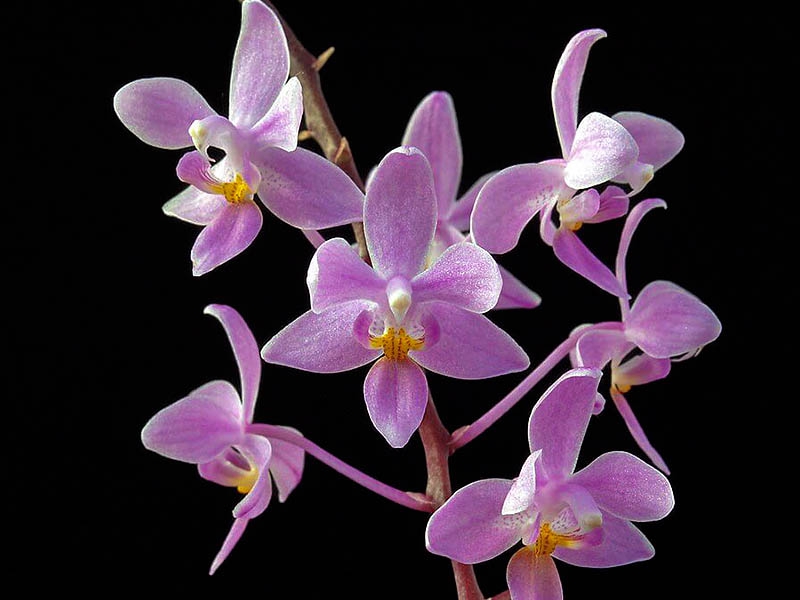
Phalaenopsis equestris is a plant loved by many for its beautiful flowers and ease of care. Below, we will explain the growth characteristics, propagation methods, cultivation techniques, garden uses, and important pests and diseases, as well as control methods for this plant. Growth Characteristics Phalaenopsis equestris is a plant adapted to the tropical and subtropical environments of orchid regions. This plant prefers relatively warm and humid environments and thrives in moderately bright light. Indirect light is better than direct sunlight. The optimal temperature is generally between 18 and 30°C. Propagation Methods Phalaenopsis can be propagated primarily through seed propagation and tissue culture. While seed propagation does not occur frequently in the wild, indoor propagation is typically performed by planting seeds in flasks and culturing them in a sterile environment. Tissue culture is a propagation method conducted in laboratories and is used when there is high demand or commercial necessity. Another method involves separating small plants propagated from flower stalks. Cultivation Method - Watering: Since Phalaenopsis orchids require high humidity, water frequently, but be careful not to overwater. Generally, water every 5 to 7 days, ensuring proper drainage of the pot. - Growing Medium: It is recommended to use a well-draining mixed potting mix (e.g., a mixture of orchid potting mix and peat moss). - Fertilizer: During the growing season, it is beneficial to apply a small amount of orchid-specific fertilizer every two weeks. - Ventilation: Maintain proper ventilation and airflow to promote healthy growth. Use in the Garden While Phalaenopsis orchids are primarily grown indoors, they can also be cultivated in the garden where pest and disease control is easy, provided the temperature and humidity are appropriate. They can be placed alongside other ornamental plants to enhance their decorative effect. Major Pests and Diseases & Control Methods - Pests and Diseases: Major pests include scale insects, spider mites, and aphids. - Control Methods: If pests or diseases occur, immediately wipe the affected area with soapy water or pesticide, or remove them. As a preventive measure, regularly inspect the leaves and roots, and use chemical control methods if necessary. However, you must follow the product instructions when using chemicals. In summary, the Phalaenopsis Equestrias is an easy-to-care-for plant that even beginners can grow. If you maintain appropriate environmental conditions and follow proper care methods, you will be able to enjoy beautiful flowers.
Plant Type
Plant Family
Orchid family
Height
15~30cm
Spread
Colors
amethyst
Bloom Period
June~July
Water Needs
commonly
Exposure
semi-shaded area
Freezing Resistance
-2°C
Phalaenopsis Mambo
Phalaenopsis Mambo
Phalaenopsis Carmela's Bonder
Phalaenopsis Carmela’s Wonder