English
한국어
English
Español
中文
हिंदी
Home
News
Community
Dictionary
English
한국어
English
Español
中文
हिंदी
View list
slender-toothed vetch
Vicia sativa
subsp.
nigra
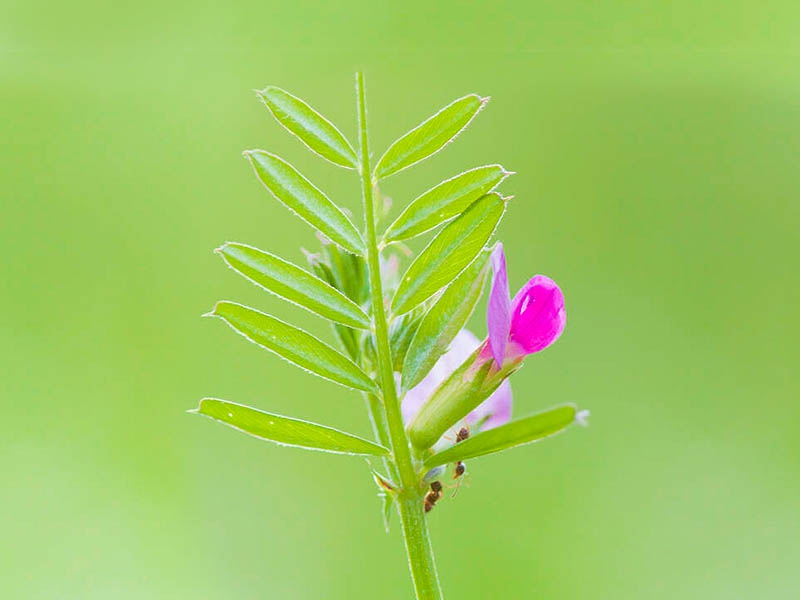
Vicia angustifolia has the following growth characteristics, propagation methods, cultivation methods, garden uses, major pests and diseases, and control methods. Growth Characteristics - Environment: It thrives primarily in temperate climates and prefers sunny locations. It grows healthily in well-drained soil. - Humidity: It requires moderate humidity, but it is best to avoid excessive moisture. Propagation Methods - Seed Propagation: It can be propagated by sowing seeds directly in the spring. It is recommended to moisten the soil slightly before planting to increase the germination rate. - Transplanting: Young seedlings can be transplanted and grown. Cultivation Methods - Sowing Time: Generally, sowing in the spring is appropriate. - Soil Management: Fertile and well-drained soil is required. - Watering: Water whenever the surface dries out, but avoid overwatering. - Fertilization: It is recommended to apply an appropriate amount of nitrogen fertilizer during the growing season. Use in Gardens - Landscape: Used as a landscape plant in parks or gardens. Its beautiful flowers can add color to the garden. - Nectar Plant: Used as a beneficial nectar source for bees and other insects. Important Pests and Control Methods - Diseases: May be susceptible to damage from powdery mildew and leaf beetles. - Control Methods: Ensure good ventilation to prevent fungal diseases, and use appropriate fungicides if disease occurs. - Pests: Pests such as aphids may occur. - Control Methods: If pests appear, using natural enemies or eco-friendly insecticides is effective. While the slender vetch is a relatively easy plant to care for, it can be grown even healthier with the right environment and care.
Plant Type
Plant Family
legumes
Height
90cm
Spread
Colors
purple
Bloom Period
april
Water Needs
commonly
Exposure
semi-shaded area
Freezing Resistance
-15°C
Monkey's mantis
Vicia bifolia
bee peas
Vicia amurensis