English
한국어
English
Español
中文
हिंदी
Home
News
Community
Dictionary
English
한국어
English
Español
中文
हिंदी
View list
Baby's-eye tree
Philadelphus pekinensis
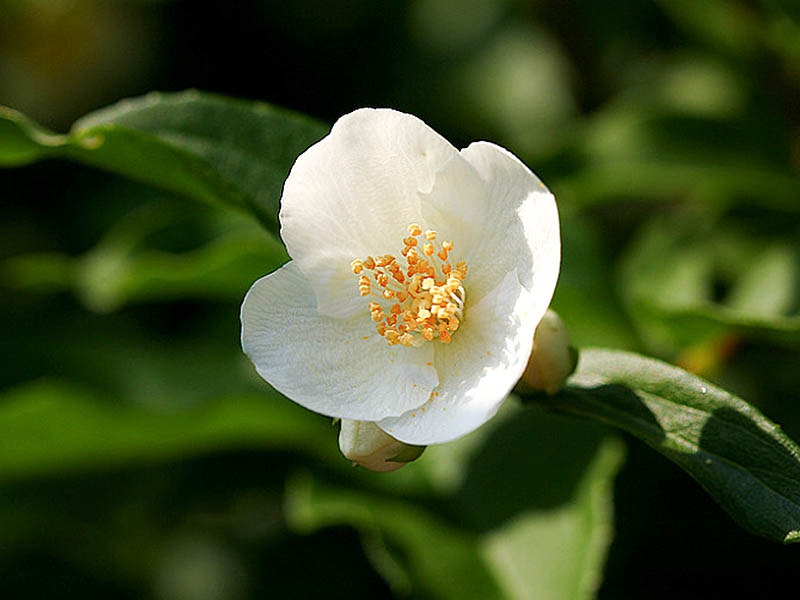
Philadelphus pekinensis is a common shrub found in Korea. I will explain its growth characteristics, propagation methods, cultivation methods, garden uses, and pest and disease control methods below. Growth CharacteristicsPhiladelphus pekinensis prefers moist soil and sunny locations, growing to a height of approximately 1 to 2 meters. The leaves are ovate with serrated margins. Fragrant white flowers bloom in the summer, and fruit is produced in the autumn. Propagation MethodsPhiladelphus pekinensis is primarily propagated by cuttings and seeds. Cuttings should be taken in late spring or early summer, using healthy branches. For seed propagation, it is best to collect seeds in the autumn and germinate them at relatively low temperatures. Cultivation MethodsFor cultivation, well-drained soil is required, and adequate moisture and sunlight are important. Areas that are too dry or too wet should be avoided. Additionally, it requires consistent protection during the winter. Uses in the Garden Since the Japanese Spiraea is beautiful in itself, it is used as a garden boundary or hedge. It is highly popular as an ornamental plant due to its fragrant flowers and elegant form. Major Pests and Control Methods Major pests include aphids and wood borers; it is important to catch and control these pests in their early stages. When pests occur, they can be removed using organic insecticides or physical methods. Additionally, regular pruning to improve ventilation can help prevent diseases. By utilizing this information, you will be able to grow and maintain your Japanese Spiraea in a healthy way.
Plant Type
Plant Family
Saxifragaceae
Height
2m
Spread
Colors
white
Bloom Period
April~May
Water Needs
commonly
Exposure
Sunny
Freezing Resistance
-30°C
Korean ash tree
Philadelphus schrenkii
Chinese pagoda tree
Philadelphus incanus