English
한국어
English
Español
中文
हिंदी
Home
News
Community
Dictionary
English
한국어
English
Español
中文
हिंदी
View list
Gogwangnamu levisi
Philadelphus lewisii
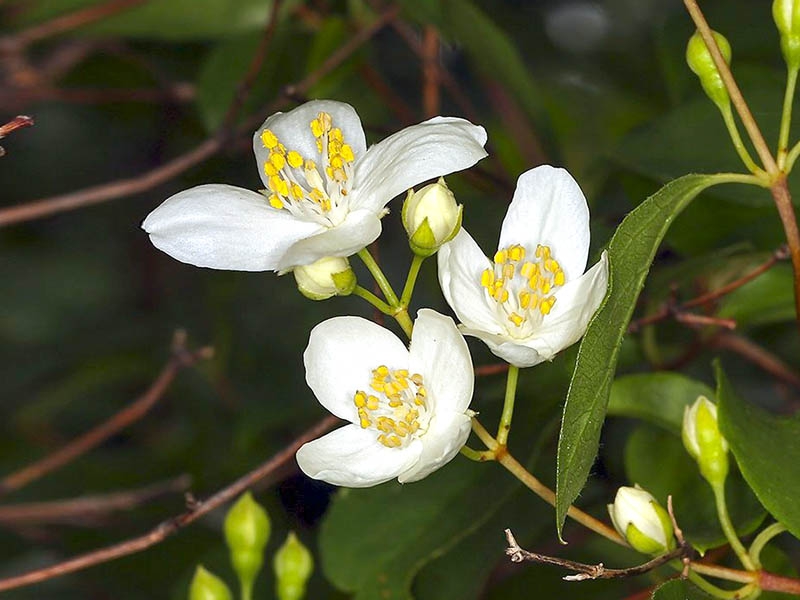
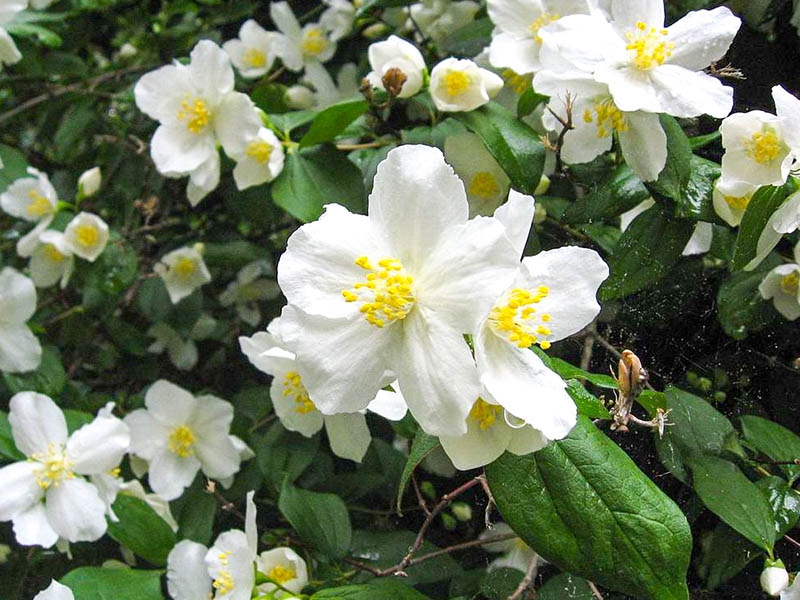
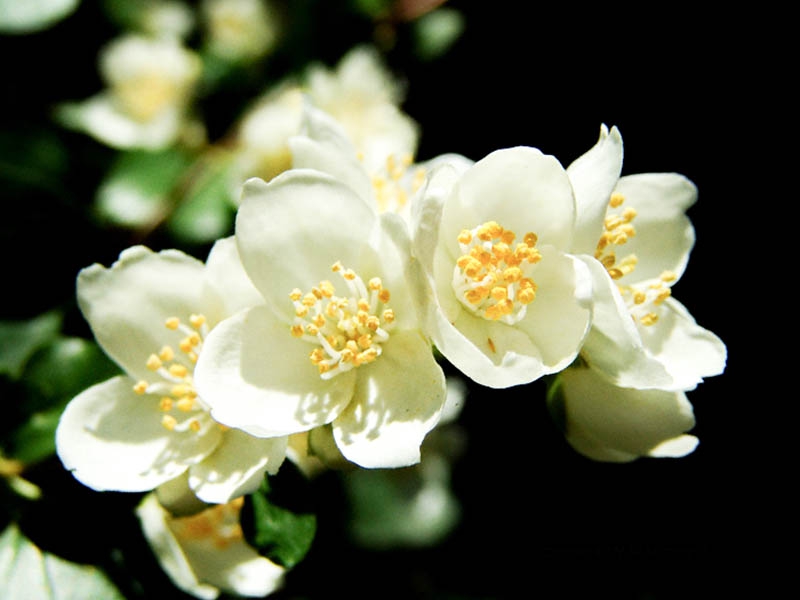
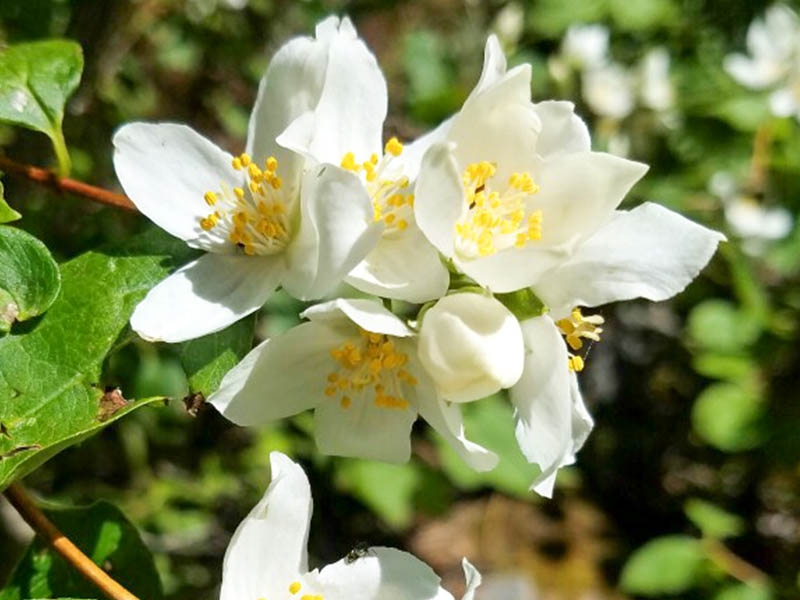
Growth Characteristics of Philadelphus lewisii Philadelphus lewisii is a deciduous shrub native to western North America, commonly known as the "Mo's Orange." This tree typically grows to a height of 1.5 to 3 meters, and its leaves are paired and ovate. Flowers bloom between May and June, forming a beautiful landscape with dense clusters of fragrant white blossoms. Propagation Methods Philadelphus lewisii can generally be propagated by cuttings and seeds. Cuttings are taken by cutting newly grown branches in the summer and planting them in potting soil to induce rooting. For propagation by seeds, it is advisable to use seeds harvested in the winter, which can be sown in the spring. Cultivation Methods Philadelphus lewisii thrives in sunny locations and prefers well-drained soil. Before planting, ensure the soil is sufficiently prepared. After planting, provide proper watering and fertilizer to ensure healthy growth. It is especially beneficial to shape the plant through periodic pruning during the first few years. Uses in the Garden Philadelphus levisii is very popular as a border plant in the garden. Its fragrant flowers and beautiful form enhance the garden landscape and blend well with other flowers. It is particularly effective when planted along hedges or borders. Important Pests and Control Methods Philadelphus levisii is generally resistant to pests and diseases, but it may rarely be susceptible to insecticides or fungal diseases. In the case of insecticides, they can be removed using insecticides if detected early. For fungal diseases, control density through pruning to ensure good ventilation and use antifungal agents if necessary. It is important to prevent the soil from becoming too wet and to maintain good drainage.
Plant Type
Plant Family
Hydrangea
Height
1.5~3.6m
Spread
1.8~3.6m
Colors
white
Bloom Period
May~June
Water Needs
commonly
Exposure
Sunny
Freezing Resistance
-30°C
Korean forsythia microphilus
Philadelphus microphyllus
Korean Spiraea Inodorus
Philadelphus inodorus