English
한국어
English
Español
中文
हिंदी
Home
News
Community
Dictionary
English
한국어
English
Español
中文
हिंदी
View list
hasty conclusions
Phlomis umbrosa
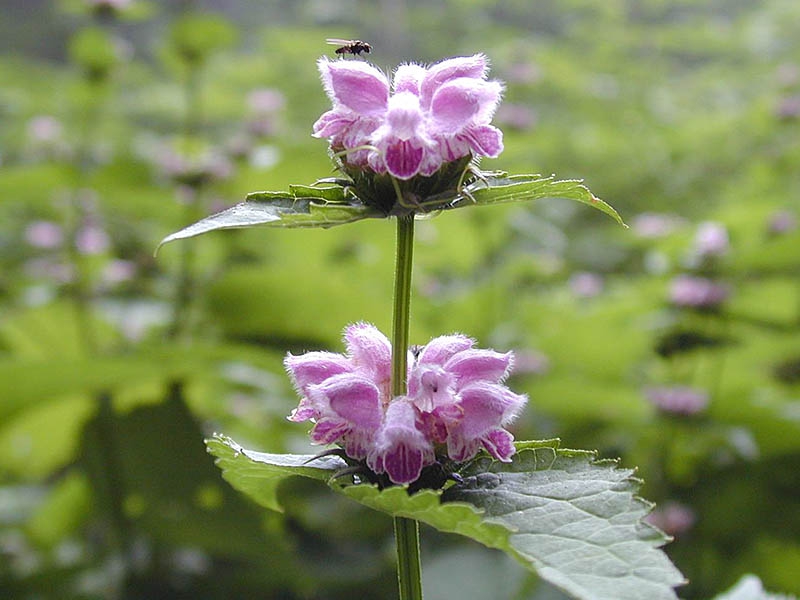
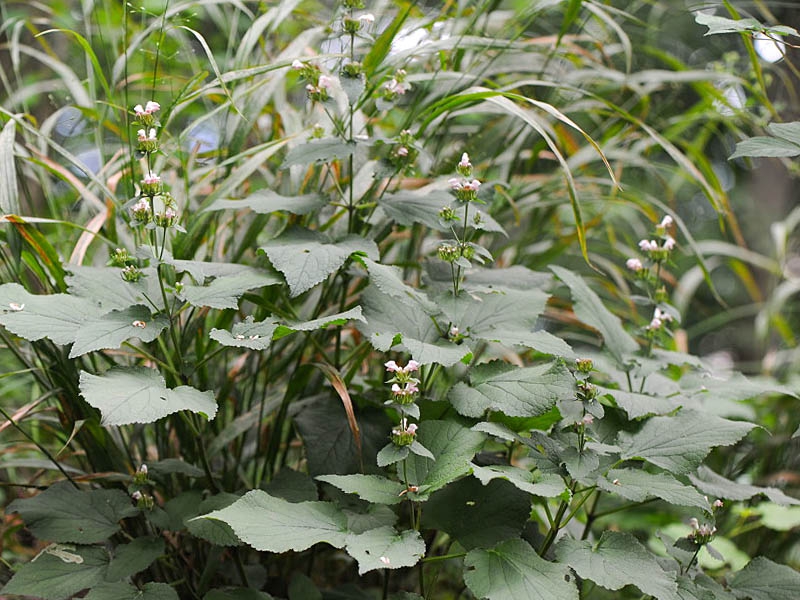
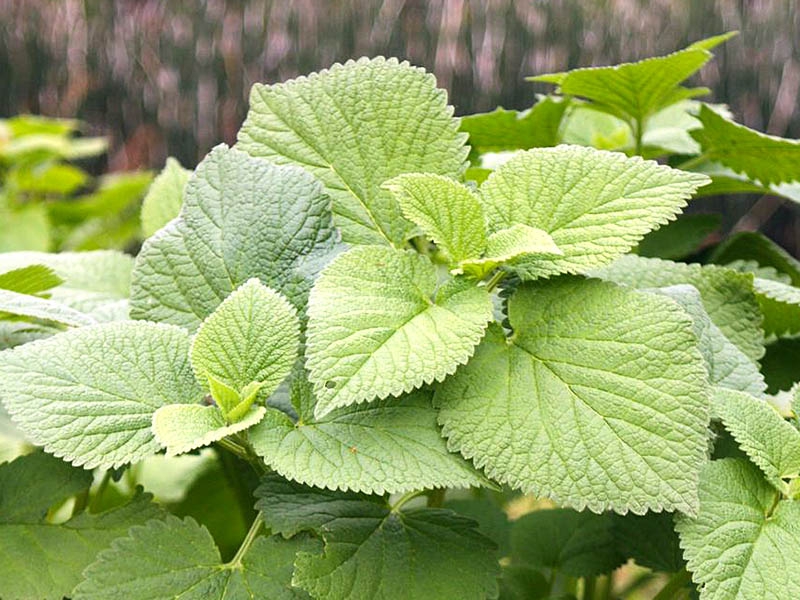
Phlomis umbrosa is a perennial plant native primarily to Asia. The following is information regarding Phlomis umbrosa's main growth characteristics, propagation methods, cultivation methods, garden uses, and important pests and diseases and control methods. Growth Characteristics - Environment: Phlomis umbrosa thrives in partial shade and prefers soils ranging from acidic to neutral. - Care: It is relatively easy to care for and grows healthier in well-drained soil. - Flowering Period: It flowers mainly from summer to early autumn. Propagation Methods - Seed Propagation: It can be propagated by sowing seeds in the spring. Germination occurs best when the soil temperature is approximately 15–20 degrees Celsius. - Root Division: Propagation by dividing the roots is also a commonly used method. This is usually performed in the spring or autumn. Cultivation Methods - Planting: Plant considering root depth and spacing. Generally, maintain a spacing of 30–40 cm. - Watering: It likes moisture, but care must be taken to avoid overwatering. Good drainage is especially important when growing it in pots. - Fertilization: Applying fertilizer early in the growing season is effective. Uses in the Garden - Ornamental: With its beautiful flowers and leaves, Sophora triphylla is used as a decorative element in the garden. - Borders: It is suitable as a border plant and harmonizes well with other plants. Important Pests and Control Methods - Diseases: Gray mold may occur. Prevent this by ensuring adequate ventilation and drainage. - Pests: Damage from aphids or moths may occur. In such cases, it is recommended to use an appropriate insecticide upon early detection. - Control Methods: In addition to chemical control, it is important to select pest-resistant varieties and prevent problems through regular observation and proper care. Sophora triphylla is a relatively easy variety to care for, making it a suitable plant for beginners. With proper care in the garden or in pots, you can enjoy abundant blooms.
Plant Type
Plant Family
Lamiaceae
Height
80~150cm
Spread
Colors
pink
Bloom Period
July~August
Water Needs
commonly
Exposure
semi-shaded area
Freezing Resistance
-15°C
small squash
Phleum paniculatum
Mountain bellflower
Phlomis koraiensis