English
한국어
English
Español
中文
हिंदी
Home
News
Community
Dictionary
English
한국어
English
Español
中文
हिंदी
View list
Phlox Maculata
Phlox maculata
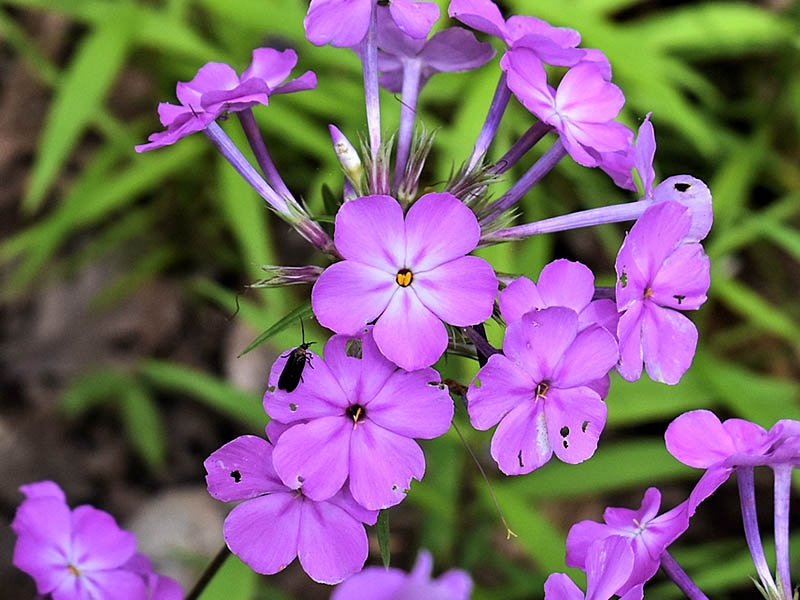
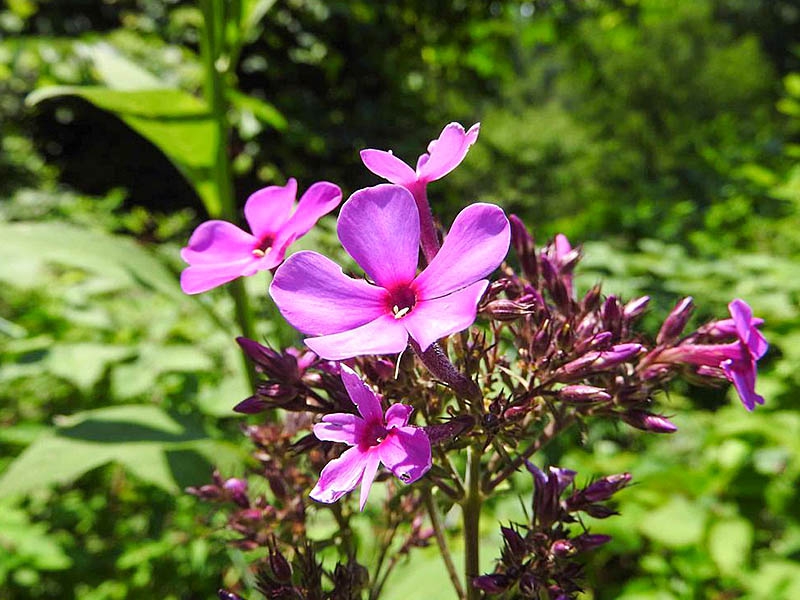
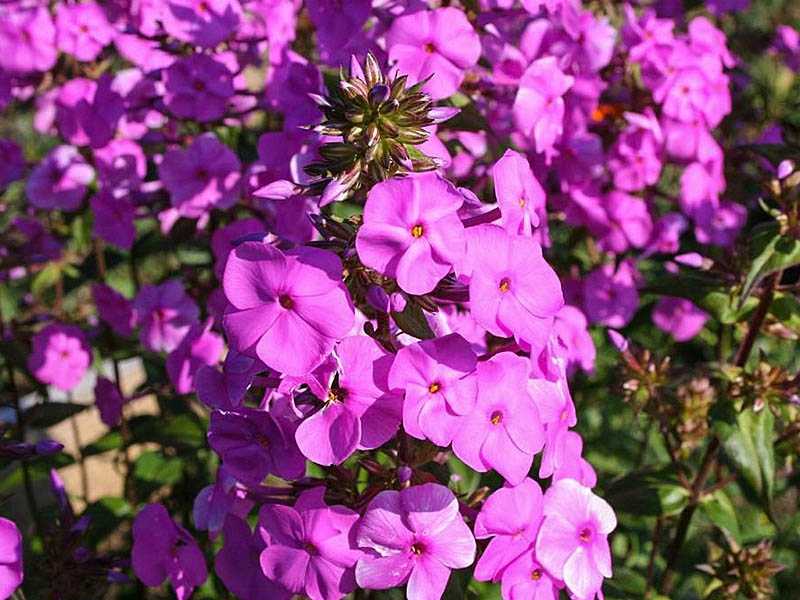
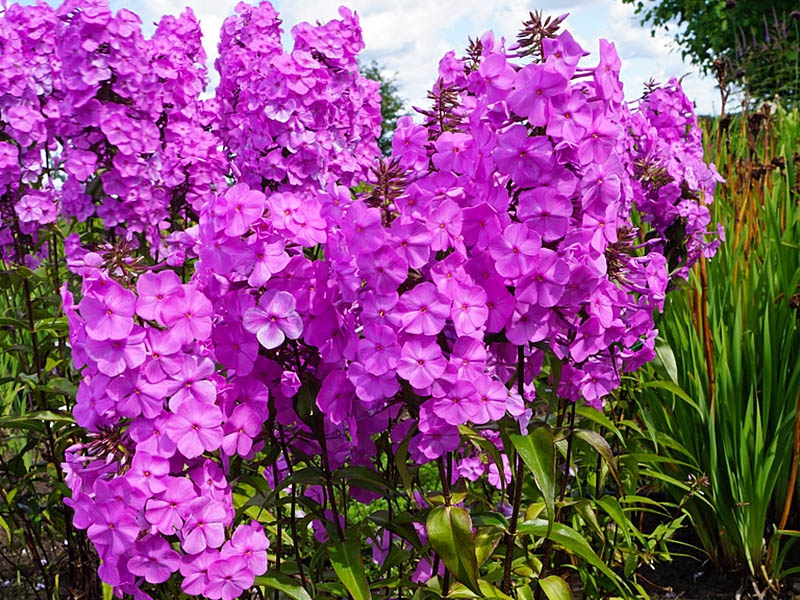
I will explain the growth characteristics, propagation methods, cultivation methods, garden uses, and important pests and diseases and control methods of Phlox maculata. Growth Characteristics: Phlox maculata is a perennial herbaceous plant that primarily blooms in the summer, producing flowers in colors such as pink, purple, and white. It grows to a height of approximately 60 to 90 cm and is characterized by dot-like patterns on its stems and leaves. It prefers sunlight and thrives in well-drained soil. It grows healthiest when there is adequate moisture and sunlight. Propagation Methods: Phlox maculata can be propagated by seeds and vegetative propagation (cuttings or division). When propagating by seeds, it is recommended to grow seedlings indoors in the spring and transplant them to the garden in spring or early summer. For vegetative propagation, effective methods include taking cuttings from healthy stems in spring or autumn, or dividing mature plants into multiple sections for planting. Cultivation Method: - Soil: It is important to plant in well-drained soil. Soil rich in organic matter is ideal. - Water Management: Maintain adequate moisture during the early growth period and flowering, but avoid overwatering. - Sunlight: A sunny location is suitable. It is recommended to receive at least 6 hours of direct sunlight per day. - Fertilizer: Slow-release fertilizer can be applied as a one-time treatment during the early growing season. Garden Uses: Due to its showy flowers, Phlox maculata is widely used for garden flowerbeds, borders, and bouquets. It is also effective at attracting butterflies and bees, which can have a positive impact on the ecosystem. Important Pests and Control Methods: - Leaf Mold: White mold symptoms may appear on the leaves. To prevent this, plant in a well-ventilated location and ensure that water does not remain on the leaves for extended periods. 2. Root Rot: This disease is caused by excessive moisture, so it is important to avoid overwatering and maintain well-drained soil. - Plant Aphids: If aphids occur, you can control them by spraying soapy water or using natural predator insects. Through the methods above, you can grow healthy Phlox maculata. This will allow you to bring beauty and vitality to your garden.
Plant Type
Plant Family
Polemoniaceae
Height
60~90cm
Spread
30~60cm
Colors
pink
Bloom Period
May to August
Water Needs
commonly
Exposure
Sunny
Freezing Resistance
-30°C
Oleander 'Candy Twist'
Phlox paniculata 'Candy Twist'
Phlox 'May Breeze'
Phlox divaricata 'May Breeze'