English
한국어
English
Español
中文
हिंदी
Home
News
Community
Dictionary
English
한국어
English
Español
中文
हिंदी
View list
Canary palm
Phoenix canariensis
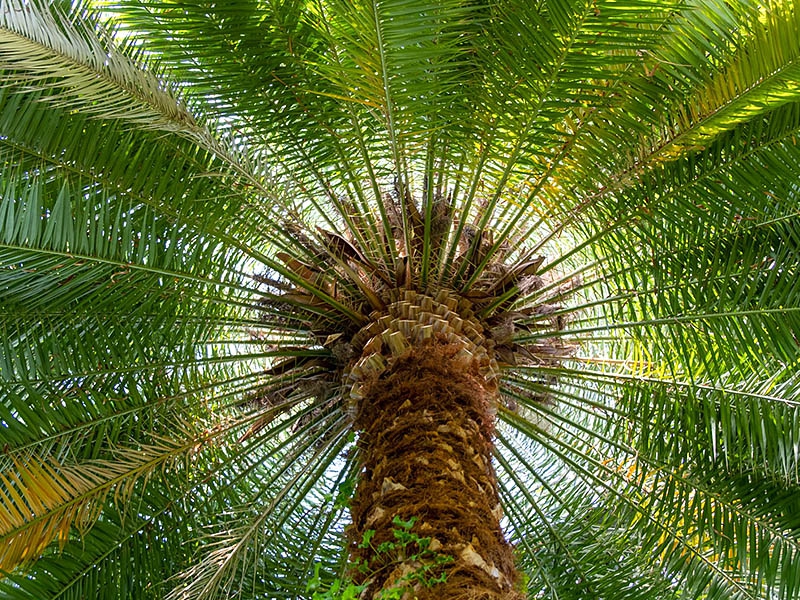
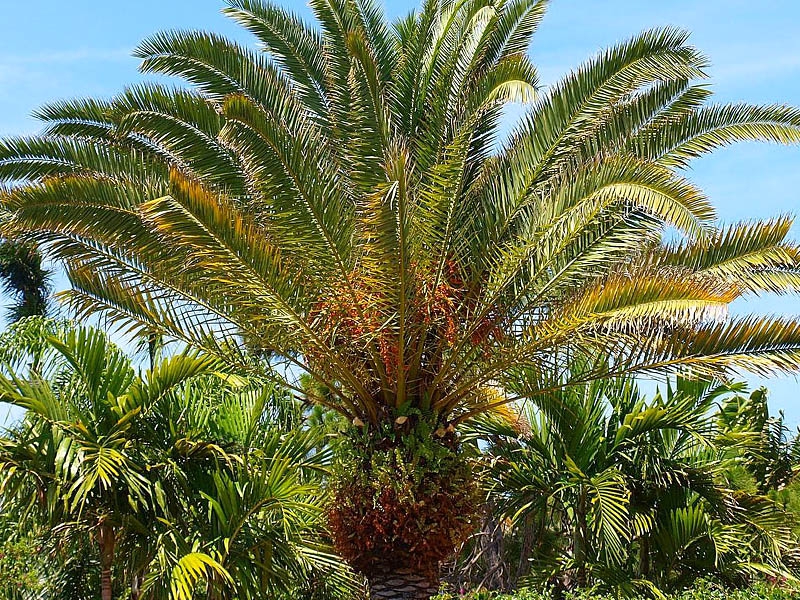
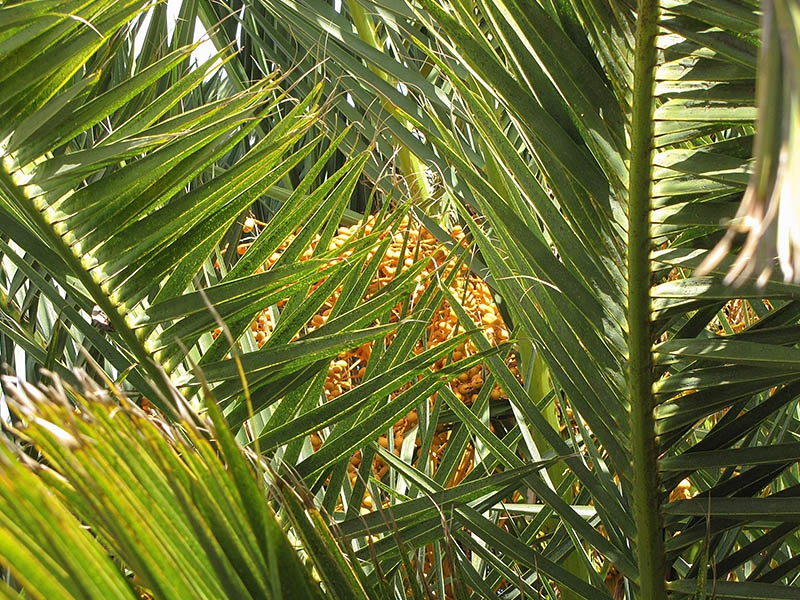
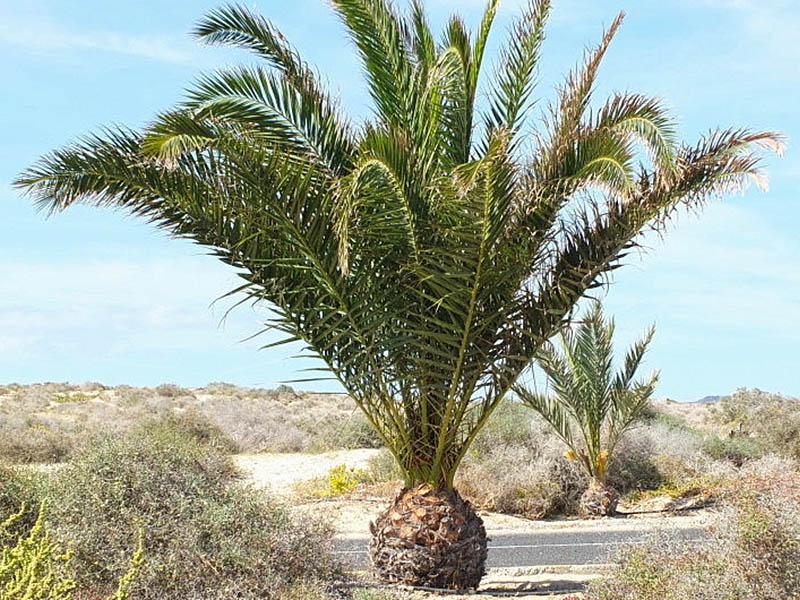
Phoenix canariensis is a large evergreen with beautiful feather-shaped leaves, making it highly valuable as an ornamental tree. This tree thrives primarily in Mediterranean climates and grows well in regions with hot summers and mild winters. Growth Characteristics - Growing Environment: It prefers well-drained soil and benefits from ample sunlight. However, it can tolerate some shade. - Cold Hardiness: It is relatively cold-hardy and requires protection from temperatures below 0°C. Propagation Methods - Seed Propagation: It propagates using fresh seeds. It is recommended to soak the seeds in water before planting to increase the germination rate. Germination requires maintaining constant temperature and humidity and typically takes 2 to 3 months. Cultivation Methods - Watering: Mature trees tolerate drought well, but young trees require regular watering. It is important to avoid overwatering. - Fertilizer: Appropriate fertilizer is required during the growing season. It is recommended to apply slow-release fertilizer during the spring and summer. - Pruning: Periodic pruning is necessary; remove leaves that turn brown to maintain a pleasant environment. Uses in the Garden Canary palms are suitable as standalone plants in the garden, and they are also useful for creating exotic landscapes by forming large clusters. They can also be grown in large pots on terraces or in large indoor spaces. Important Pests and Control Methods - Diseases: Fungal diseases can be a problem. To prevent this, maintain a well-ventilated environment and use appropriate fungicides when necessary. - Pests: Pests such as aphids may occur; these can be controlled using organic insecticides or soapy water. Thorough regular care and careful observation help the Canary palm grow healthily.
Plant Type
Plant Family
palm tree
Height
15~20m
Spread
Colors
yellow
Bloom Period
May~June
Water Needs
commonly
Exposure
semi-shaded area
Freezing Resistance
-8°C
Phoenix palm
Phoenix roebelenii
Dactylifera palm
Phoenix dactylifera