English
한국어
English
Español
中文
हिंदी
Home
News
Community
Dictionary
English
한국어
English
Español
中文
हिंदी
View list
Photinia Floribunda
Photinia floribunda
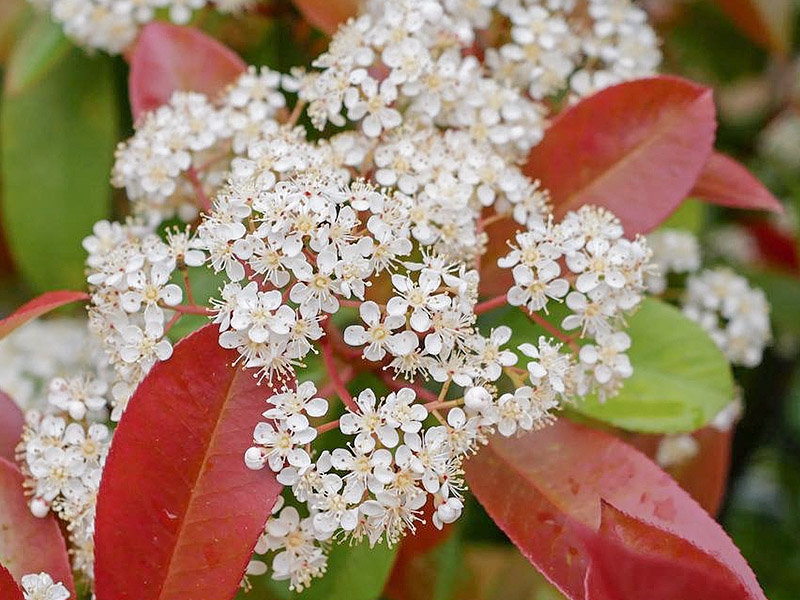
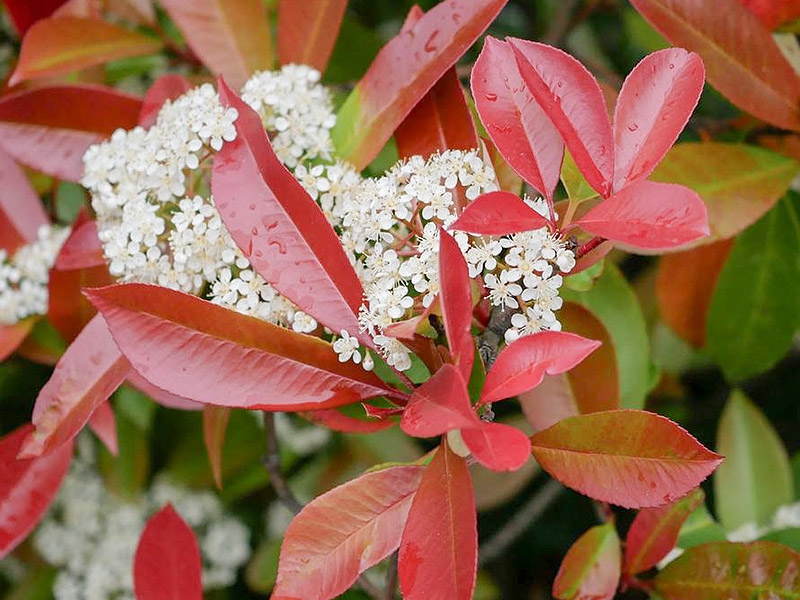
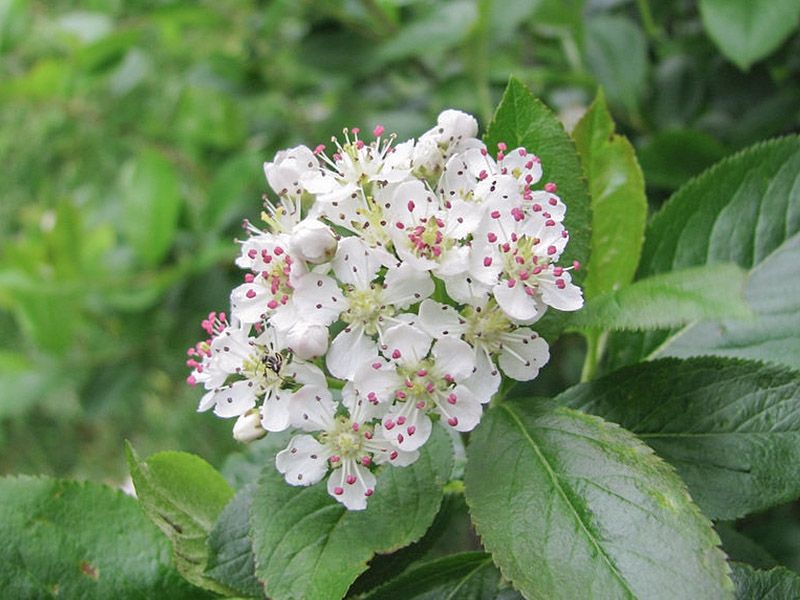
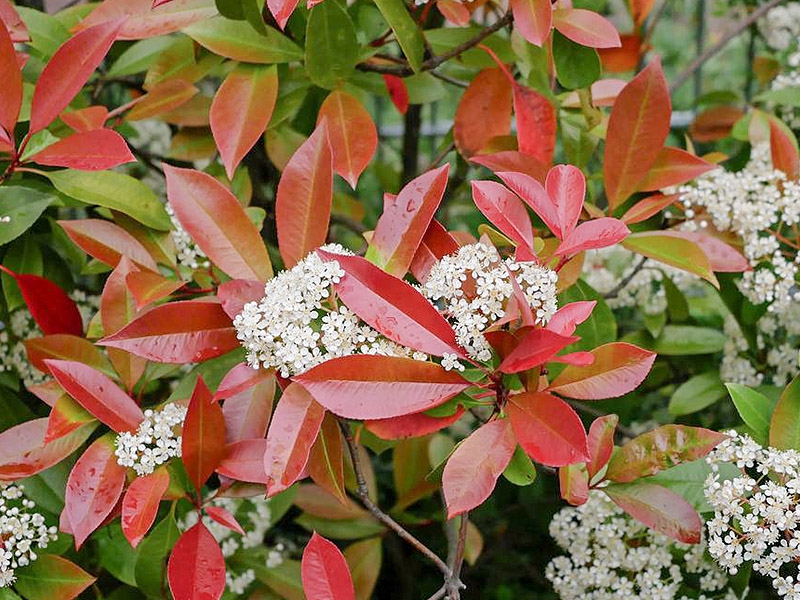
Photinia floribunda is an evergreen shrub belonging to the Rosaceae family, primarily cultivated for ornamental purposes. The following describes the plant's growth characteristics, propagation methods, cultivation practices, garden uses, and major pests and diseases, as well as control methods. Growth Characteristics - Environment: Photinia floribunda thrives in sunny locations or partial shade. - Soil: It prefers well-drained soil and grows particularly well in fertile soil. - Growth Rate: It has a moderate growth rate and can grow rapidly in suitable conditions. - Temperature: It is suitable for temperate climates and can tolerate some cold, but caution is required during extreme cold snaps. Propagation Methods - Seed Propagation: It can be propagated by seeds; appropriate treatment may be necessary before planting to increase germination rates. - Cuttings: This is the most commonly used propagation method; well-grown branches cut during the summer and planted will easily take root. Cultivation Methods - Watering: Water sufficiently during dry periods, but avoid overwatering. - Fertilizer: It is recommended to use slow-release fertilizers in spring and autumn to promote growth. - Pruning: Pruning is performed to maintain shape or to remove diseased branches. Spring pruning is generally recommended. Garden Use - Landscaping: Photinia floribunda is suitable for gardens, parks, and roadside landscaping due to its shade effect and high decorative value. - Hedges: When planted as a hedge, its lush foliage and balanced growth make it effective for privacy protection. Major Pests and Diseases & Control Methods - Diseases: Diseases that primarily cause lesions on the leaves may occur. In such cases, remove diseased leaves and use pesticides if necessary. - Pests: Aphids and scale insects are common pests; observe the plants regularly and eliminate them using natural predators or insecticides upon early detection. - Prevention: You can minimize the occurrence of pests and diseases by ensuring proper ventilation, preventing overwatering, and maintaining the plant's health. By referring to the information above, you can care for your Potinia floribunda to grow it into a healthy and beautiful plant.
Plant Type
Plant Family
Rosaceae
Height
2.4~3.6m
Spread
180~270cm
Colors
white
Bloom Period
April to July
Water Needs
commonly
Exposure
Sunny
Freezing Resistance
-15°C
Red holly
Photinia glabra
Fraser's Red Robin
Photinia × fraseri 'Red Robin'