English
한국어
English
Español
中文
हिंदी
Home
News
Community
Dictionary
English
한국어
English
Español
中文
हिंदी
View list
Phragmites australis
Phragmites japonicus
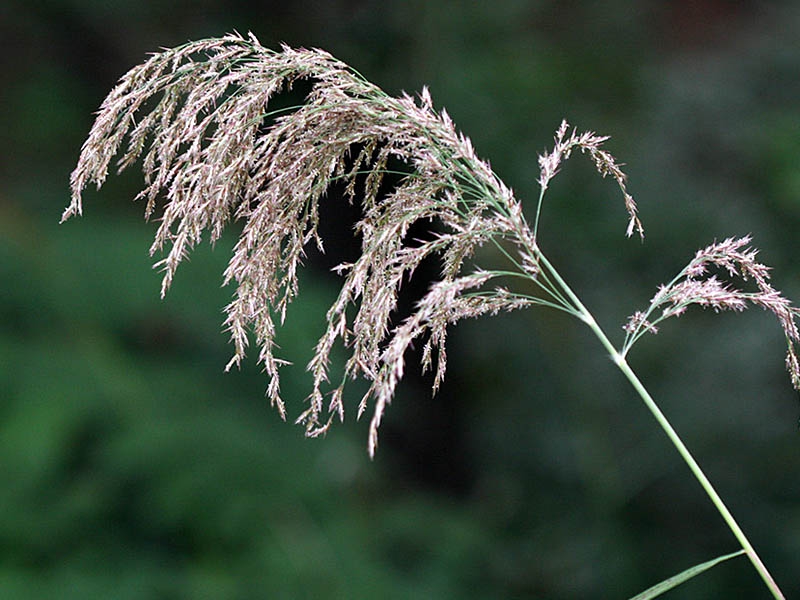
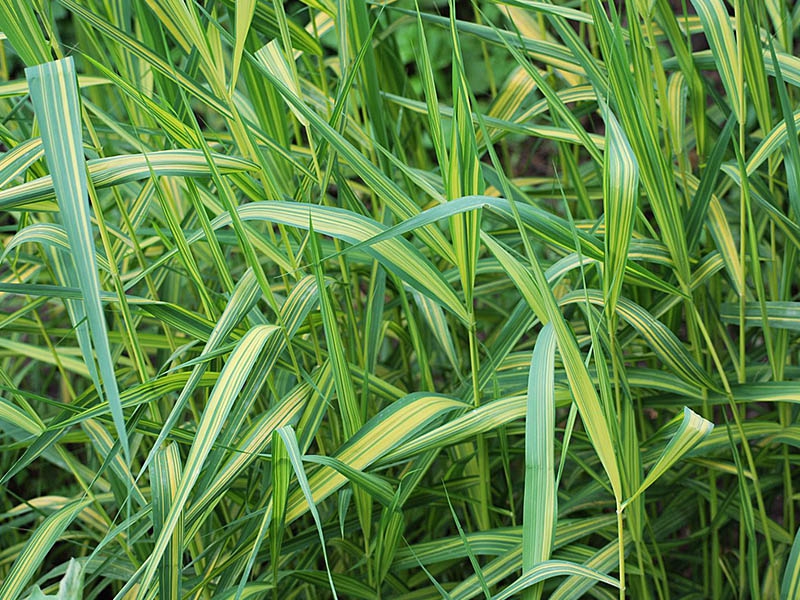
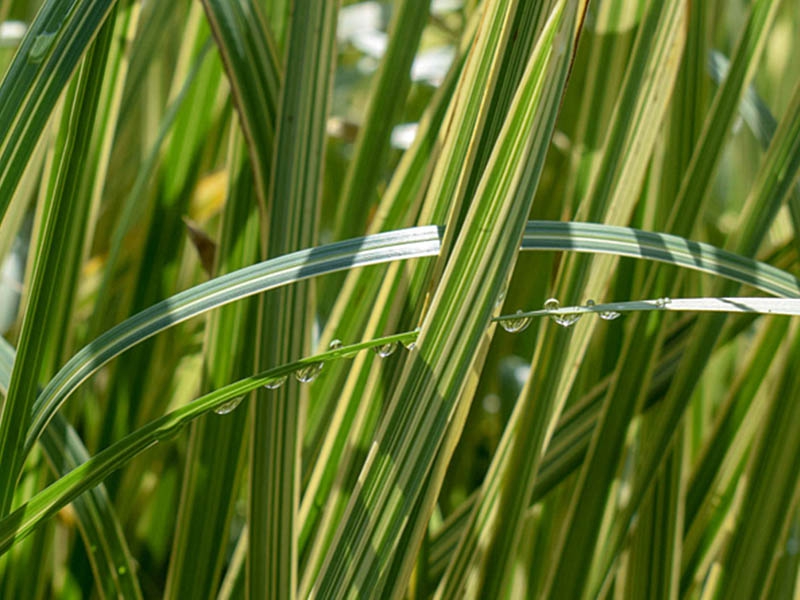
Characteristics and Cultivation Information of Phragmites japonicus Growth Characteristics - Habitat: Primarily grows in moist areas throughout Asia, such as wetlands, riverbanks, and around lakes. - Morphology: A perennial plant that grows to a height of approximately 1 to 3 meters. The leaves are long and linear, while the stems are erect and brown or green in color. - Environment: Prefers sunny locations and thrives in moist conditions. Propagation Methods - Seed Propagation: Propagates by seeds spreading far and wide via the wind. The seeds are light and easily carried by the wind. - Vegetative Propagation: Propagates via rhizomes (underground stems) and aboveground stems, forming new individuals from cut stems or root fragments. Cultivation Methods - Soil: Grows well in moist, well-drained soil. A moist environment is required for germination. - Water Management: Continuous moisture supply is important, and sufficient water must be provided, especially during dry periods. - Sunlight: Sufficient sunlight is required; growth may be stunted in shade. Uses in the Garden - Ornamental: Used for ornamental purposes; its tall stature and elegant foliage provide a decorative element, particularly around gardens or ponds. - Ecological Role: Also used for wetland restoration projects or water purification purposes. Important Pests and Control Methods - Diseases: Fungal infections, such as leaf mold or rust, may occur. Adjust planting spacing to ensure good ventilation, and remove pests or use control agents at the early stages of infection. - Pests: Aphids or other pests may occur; in these cases, control can be achieved using eco-friendly insecticides or natural predators. - General Care: Regularly inspect the plant's condition and take appropriate measures as necessary to maintain healthy growth.
Plant Type
Plant Family
Poaceae
Height
2m
Spread
Colors
purple
Bloom Period
August~September
Water Needs
commonly
Exposure
Sunny
Freezing Resistance
-20°C
Fragmipedium longifolium
Phragmipedium longifolium
reed
Phragmites australis