English
한국어
English
Español
中文
हिंदी
Home
News
Community
Dictionary
English
한국어
English
Español
中文
हिंदी
View list
reed
Phragmites australis
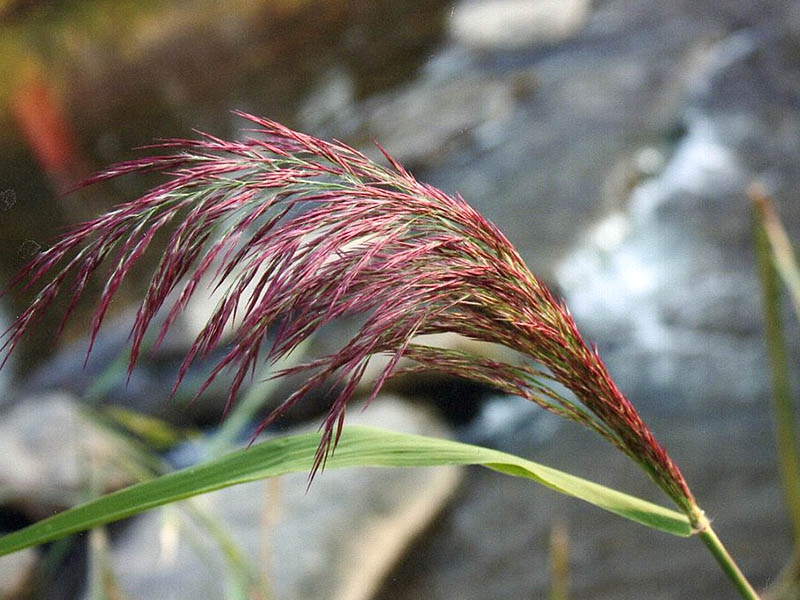
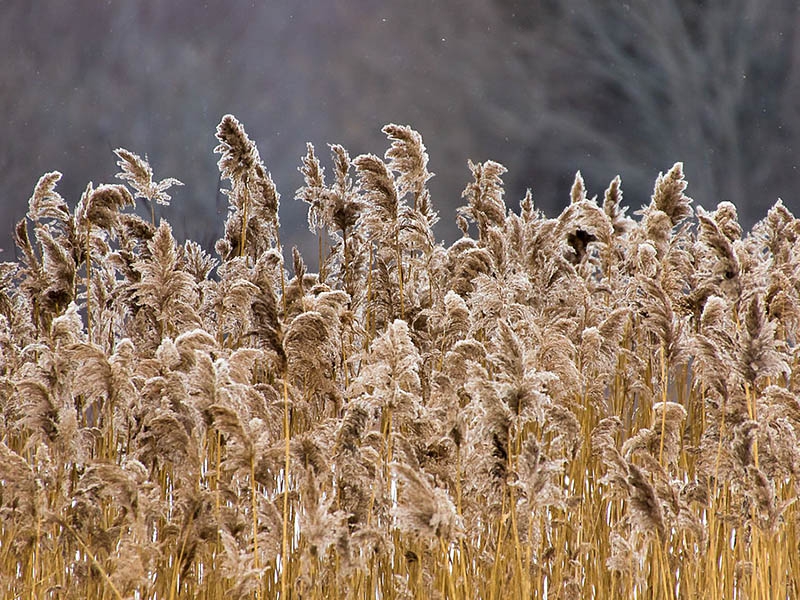
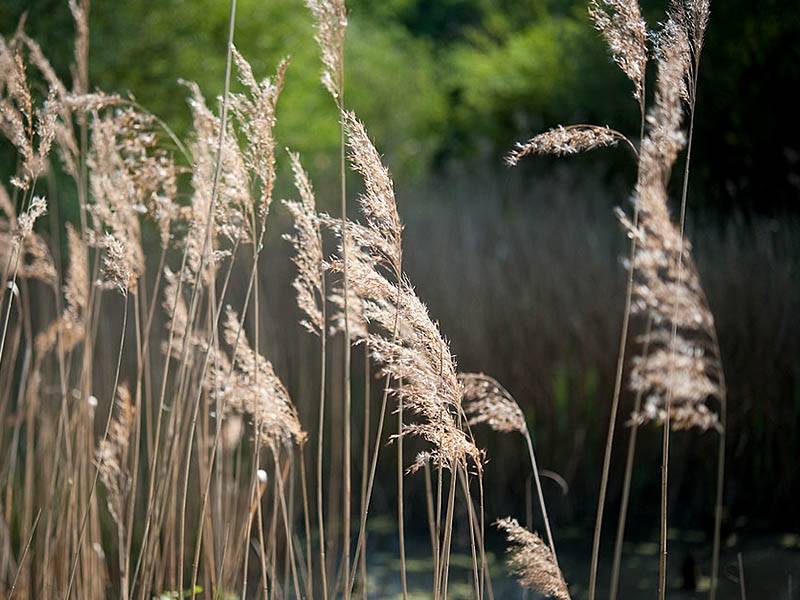
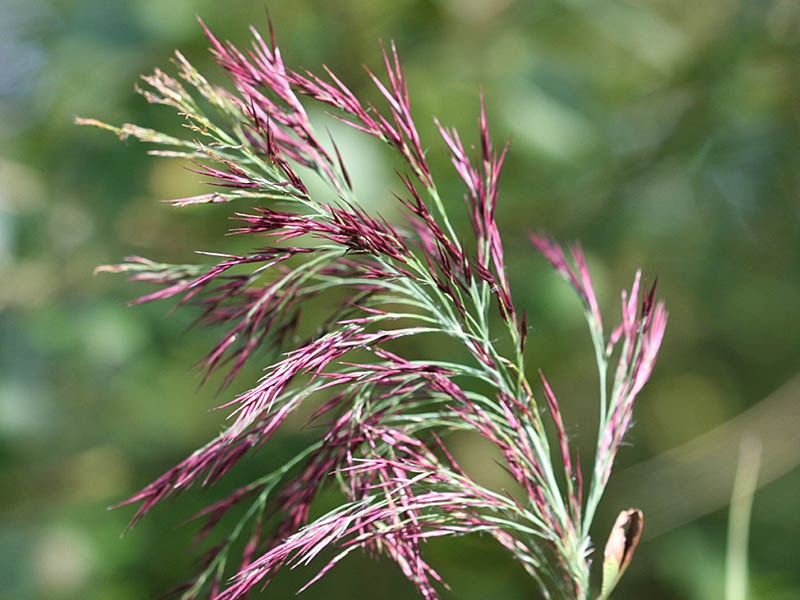
I will explain in detail the growth characteristics, propagation methods, cultivation methods, garden uses, and major pests and diseases and control methods of the common reed (Phragmites communis). Growth Characteristics Common reeds are perennial grasses that thrive primarily in wetlands or at the edges of lakes. They grow to an average height of 1.5 to 3 meters, and their stems are sturdy and hollow. The leaves are long and narrow with pointed tips, changing color from green to yellowish-green and taking on a golden hue in the autumn. Large inflorescences bloom from summer to autumn, and the flowers change from purple to yellowish-brown. Common reeds prefer sunlight but also grow well in partial shade. Propagation Methods Common reeds primarily reproduce through rhizomes (underground stems) and seeds. Rhizomes spread widely underground, allowing new individuals to spread rapidly. While they also reproduce through seeds, propagation via rhizomes is more common. Seeds survive by being dispersed by the wind. Cultivation Method - Soil Preparation: It thrives in well-drained, nutrient-rich soil. It also adapts well to humid regions. - Planting: It is best to plant rhizomes in the spring or autumn. Dig a small hole, plant the rhizome, cover it with soil, and water thoroughly. - Watering: Maintaining moisture is important, so water sufficiently, especially during dry periods. - Fertilization: Applying appropriate fertilizer during the early growth stage can aid growth. Uses in the Garden Reeds are excellent ornamental grasses for planting along the edges of garden ponds. They improve water quality, serve as excellent bird habitats, and create a beautiful landscape as they sway in the wind. They can also be used to provide privacy or as windbreaks. Important Pests and Control Methods - Diseases: Reeds are generally resistant to disease, but fungal or bacterial infections can occur. Prevention is possible by promptly removing infected parts and improving ventilation. 2. Pests: Since small aphids or insects may occur, check the condition regularly and use appropriate pesticides or natural control methods if necessary. - Control Methods: Create a healthy growing environment by ensuring good ventilation and drainage. When an outbreak occurs, use appropriate pesticides, but it is recommended to choose methods that minimize impact on the natural environment. Reeds are plants that can provide a natural feel and can be effectively utilized in the garden with proper care.
Plant Type
Plant Family
Poaceae
Height
3m
Spread
Colors
purple
Bloom Period
September
Water Needs
well
Exposure
Sunny
Freezing Resistance
-30°C
Phragmites australis
Phragmites japonicus
large moonflower
Phragmites karka