English
한국어
English
Español
中文
हिंदी
Home
News
Community
Dictionary
English
한국어
English
Español
中文
हिंदी
View list
Pine needles
Phtheirospermum japonicum
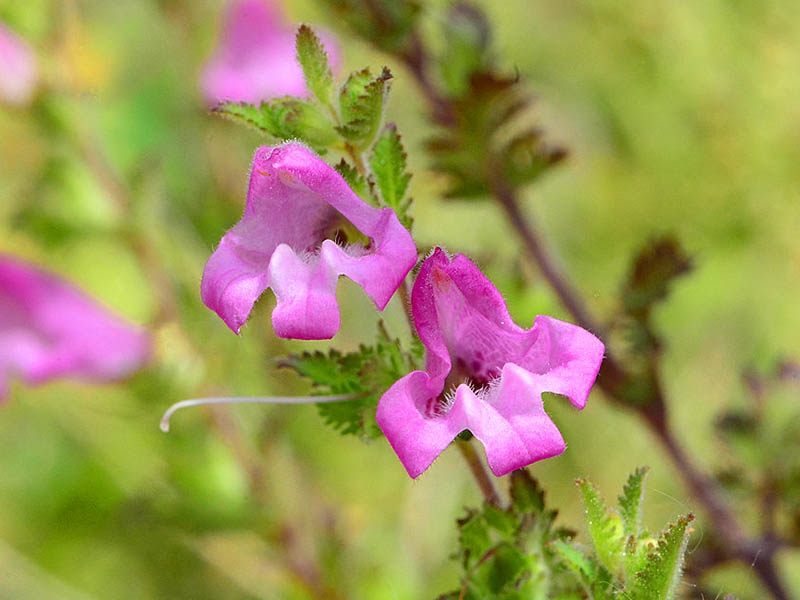
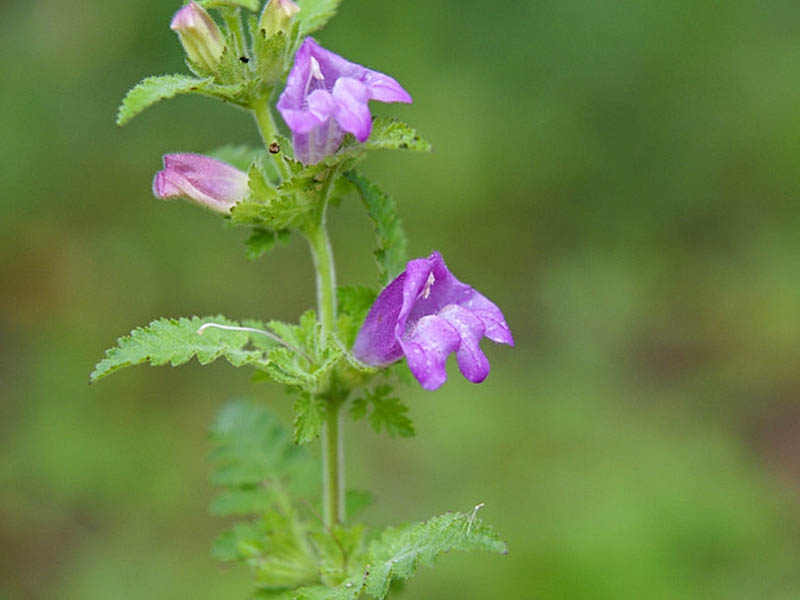
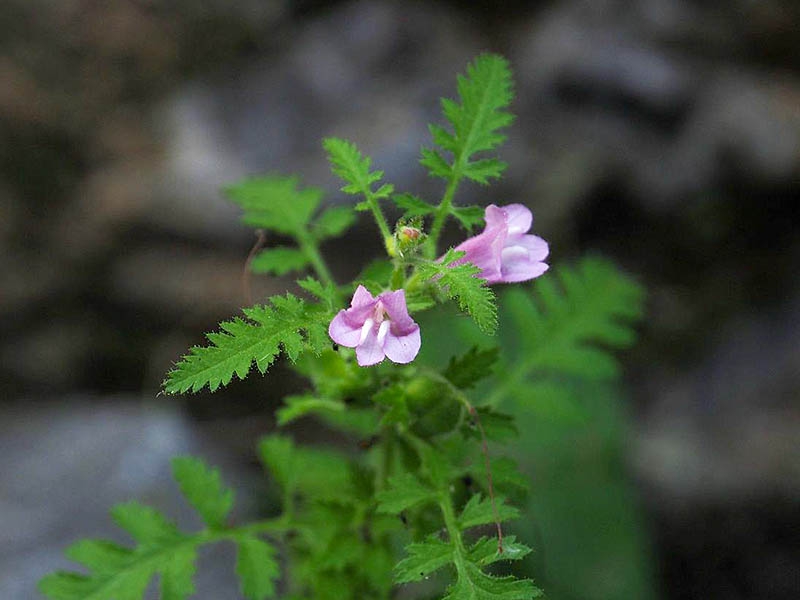
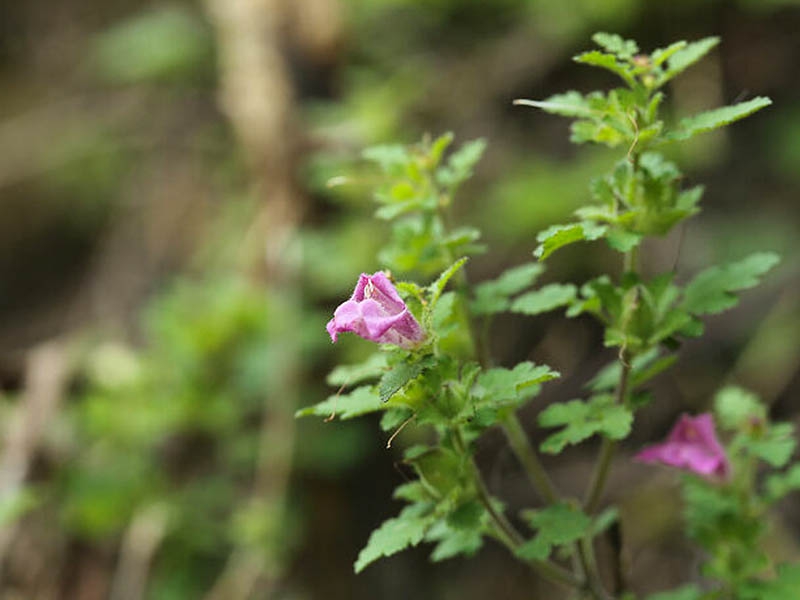
Phtheirospermum japonicum is a semi-parasitic plant found primarily in Asia. It is characterized by its growth through the absorption of nutrients from the roots of other plants. The following information covers the growth characteristics, propagation methods, cultivation techniques, garden uses, and major pests and control methods of Phtheirospermum japonicum. Growth Characteristics - Habitat: It prefers sunny locations but can grow in partial shade. It thrives in well-drained soil rich in organic matter. - Height: It typically grows to a height of 30 to 60 cm, though plant size may vary depending on environmental conditions. - Leaves and Flowers: The leaves are pointed and have a hemispherical shape, and small, beautiful flowers bloom during the summer. Propagation Methods - Seeds: It is primarily propagated by seeds, and sowing in spring or autumn is recommended. Since the seeds must parasitize the roots of other plants, it is important to plant them alongside a suitable host plant. Cultivation Method - Soil Preparation: Prepare well-draining soil and mix in plenty of organic matter. - Planting: Before planting seeds, select a suitable host plant and plant it alongside the seeds. This is necessary for the Pterocarya persica to absorb nutrients. - Watering: Avoid overwatering and maintain moderate humidity. - Care: Periodically remove weeds and check the condition of the host plant to promote healthy growth. Uses in the Garden - Ornamental: Due to its unique appearance and flower shape, it can be used as an ornamental plant in the garden. - Eco-friendly: As a natural parasitic plant, it can contribute to increasing ecosystem diversity. Important Pests and Control Methods - Diseases: There are no specifically known diseases, but root rot may occur due to overwatering. - Control Methods: Pay attention to drainage and regulate watering to prevent overwatering. - Pests: Common plant pests may occur. - Control Methods: Using organic insecticides or soap-based pesticides is effective. Regularly check the condition of the plants to address pest infestations at an early stage. Due to its unique growth pattern, it is important for Yaponicum japonica to grow in harmony with other plants. Utilizing these characteristics in the garden can create a more colorful space.
Plant Type
Plant Family
Scrophulariaceae
Height
30~60cm
Spread
Colors
purple
Bloom Period
August~September
Water Needs
commonly
Exposure
Sunny
Freezing Resistance
-15°C
Paris plant
Phryma leptostachya var. oblongifolia
Figelius 'African Queen'
Phygelius × rectus 'African Queen'