English
한국어
English
Español
中文
हिंदी
Home
News
Community
Dictionary
English
한국어
English
Español
中文
हिंदी
View list
Gasolsong
Phyllodoce caerulea
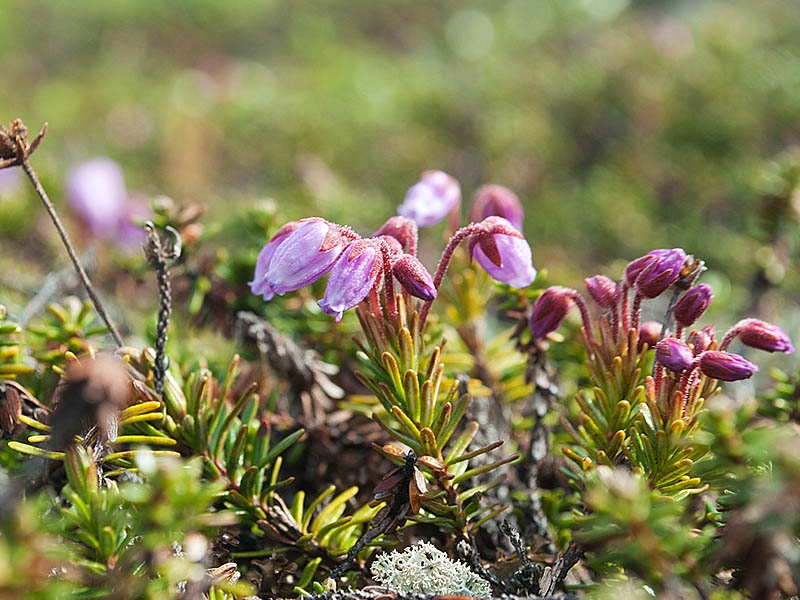
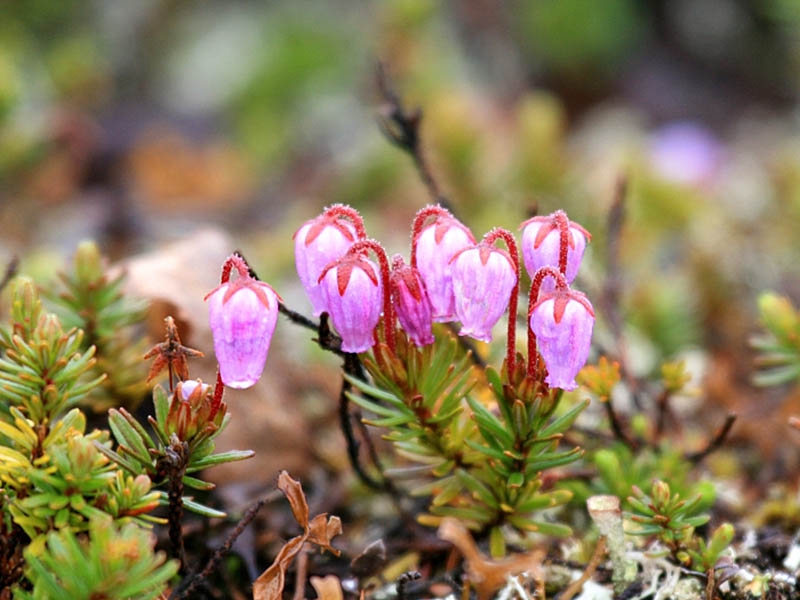
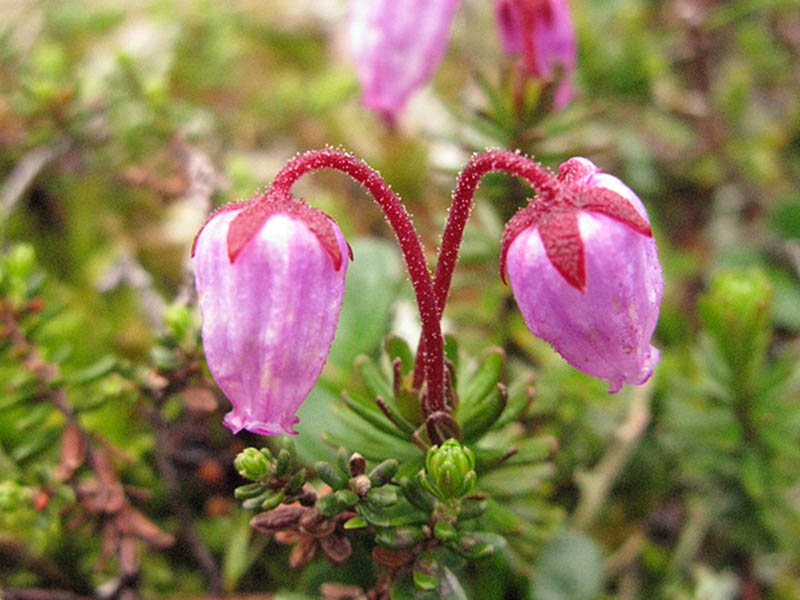
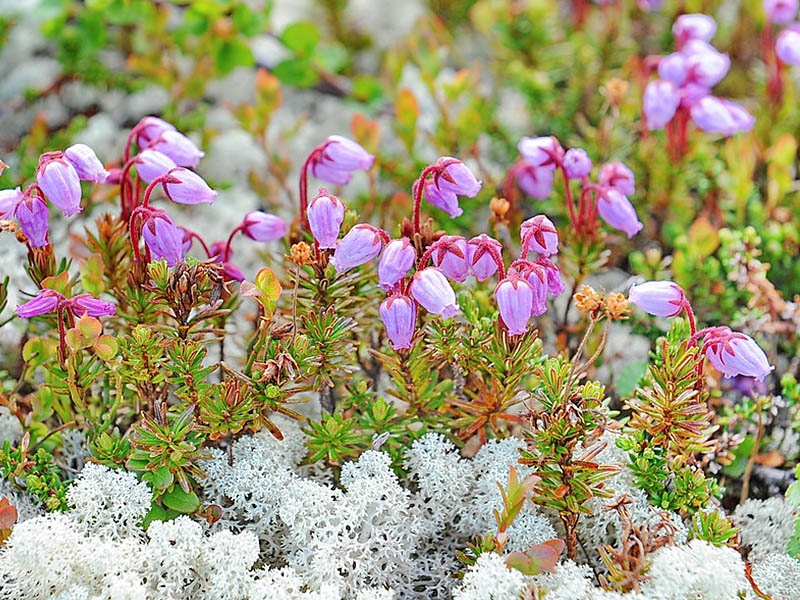
Phyllodoce caerulea, also commonly known as 'Blue Heather,' is a plant that grows primarily in cold regions. Growth Characteristics Phyllodoce caerulea is an evergreen shrub that grows to a height of approximately 10 to 30 cm. Its small leaves resemble those of conifers, and it produces purple or bluish-purple flowers. This plant prefers acidic soil and thrives in well-drained conditions. Additionally, it prefers partial shade, so it is best to avoid strong direct sunlight. Propagation Methods Propagation is primarily done by seeds or cuttings. When using seeds, extract them from mature fruits and sow them the following spring. When using cuttings, cut healthy stems in the summer to encourage rooting. Cultivation Methods - Soil Preparation: Prepare well-draining, acidic soil. Peat moss can be added as needed to increase soil acidity. 2. Location: It is best to grow it in partial shade or semi-shade. - Watering: Water before the soil dries out, but be careful not to overwater. - Fertilization: Provide nutrients using an appropriate amount of acidic fertilizer in the spring. Uses in the GardenDue to its low stature, Cairulea japonica is suitable for covering the ground in gardens. Additionally, since it grows well in shady areas, it can be used around woods, in rock gardens, or in gardens with high humidity. Important Pests and Control Methods Cairulea japonica is relatively resistant to pests and diseases, but it may occasionally be susceptible to aphids or powdery mildew. - Aphids: In the early stages, remove them by wiping the leaves with soapy water; if severe, use a specialized insecticide. - Powdery Mildew: Prune surrounding plants to ensure good ventilation, and use antifungal agents if necessary. You can grow a healthy Cairulea japonica through proper care and environmental management.
Plant Type
Plant Family
Rhododendron family
Height
10~25cm
Spread
Colors
pink
Bloom Period
July~August
Water Needs
commonly
Exposure
Sunny
Freezing Resistance
-30°C
Philanthus resurgens
Phyllobolus resurgens
Cebadamal Yaponicacus
Phyllospadis japonicacus