English
한국어
English
Español
中文
हिंदी
Home
News
Community
Dictionary
English
한국어
English
Español
中文
हिंदी
View list
Cebadamal Yaponicacus
Phyllospadis japonicacus
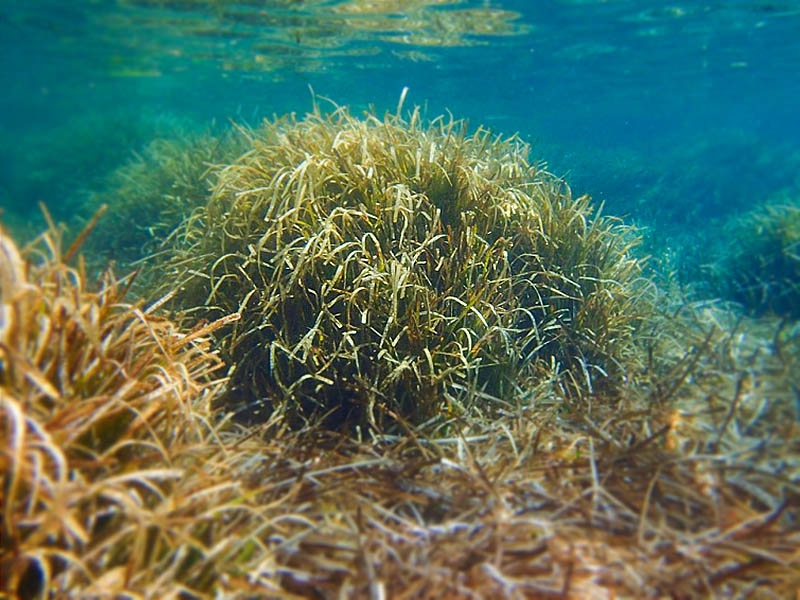
I will provide information on the growth characteristics, propagation methods, cultivation methods, garden uses, major pests and diseases, and control methods of Phyllospadis japonicacus. - Growth Characteristics: - Phyllospadis japonicacus thrives primarily on sandy beaches along the coast or in saline areas. - It grows to a height of approximately 30–50 cm, and its leaves are long and narrow. - It grows well in sunny environments and prefers well-drained soil. - Propagation Methods: - It is mainly propagated by seeds. Seeds are sown in the spring and germinate well when the temperature is warm. - It can also be propagated by division (root splitting). This method involves dividing and planting the roots of a mature plant. - Cultivation Methods: - Phyllospadis japonicacus grows well in well-drained soil mixed with sand or gravel. - Avoid overwatering and provide an appropriate amount of water. - Regular pruning helps maintain the plant's shape and promotes healthy growth. - Uses in the Garden: - Gebadamae is resistant to salt, making it well-suited for coastal gardens or seaside-themed gardens. - It can be used as a landscaping plant to create a natural coastal landscape. - Major Pests and Control Methods: - Major pests include aphids and fungal diseases. - Aphids can be detected early through regular inspections and controlled using insecticides. - Fungal diseases can be prevented by maintaining good ventilation and avoiding excessive moisture, and appropriate fungicides can be used if necessary. By referring to the information above, you will be able to grow a healthy and beautiful plant.
Plant Type
Plant Family
Leech family
Height
20~100cm
Spread
Colors
white
Bloom Period
June to December
Water Needs
well
Exposure
Sunny
Freezing Resistance
-10°C
Gasolsong
Phyllodoce caerulea
Shrimp
Phyllospadix iwatensis