English
한국어
English
Español
中文
हिंदी
Home
News
Community
Dictionary
English
한국어
English
Español
中文
हिंदी
View list
Physalis alkekengi var. frankettii
Physalis alkekengi
var.
franchetii
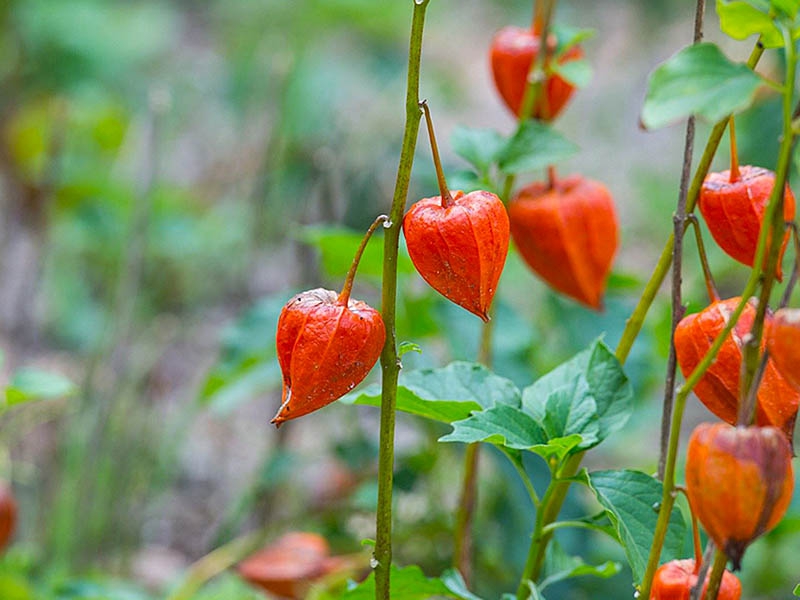
Physalis alkekengi var. franchetii is a plant characterized by orange fruits encased in a thin shell. The following is information regarding this plant's main growth characteristics, propagation methods, cultivation methods, garden uses, and major pests and diseases and control methods. Growth Characteristics - Height: Grows to approximately 60–90 cm. - Flowering Period: Flowers bloom from summer to autumn, followed by the formation of orange fruits. - Environment: Grows well in full sun to partial shade and prefers well-drained soil. Propagation Methods - Seeds: Sow directly in the spring or germinate indoors before transplanting. - Division: Since it propagates easily by roots, it can be propagated by cutting and planting in different locations. Cultivation Methods - Soil Preparation: Select well-drained soil. - Watering: Plant in a well-drained location and avoid overwatering. Ensure good drainage. - Fertilizer: It is recommended to use organic fertilizer in the spring. - Pruning: Maintain the shape by pruning in the autumn or spring as needed. Uses in the Garden- It is highly popular as an ornamental plant due to the unique shape of its fruit. - It is used as a plant for flower bed edges or as ground cover. Important Pests and Control Methods - Pests and Diseases: Generally, Physalis is quite resistant to diseases, but aphids and spider mites may occur. - Control Methods: Observe the plant regularly, and if problems arise, use appropriate organic pesticides. Control using soapy water or refined oil can be effective. Based on this information, you will be able to grow and manage Physalis alkekengi var. frankettii healthily.
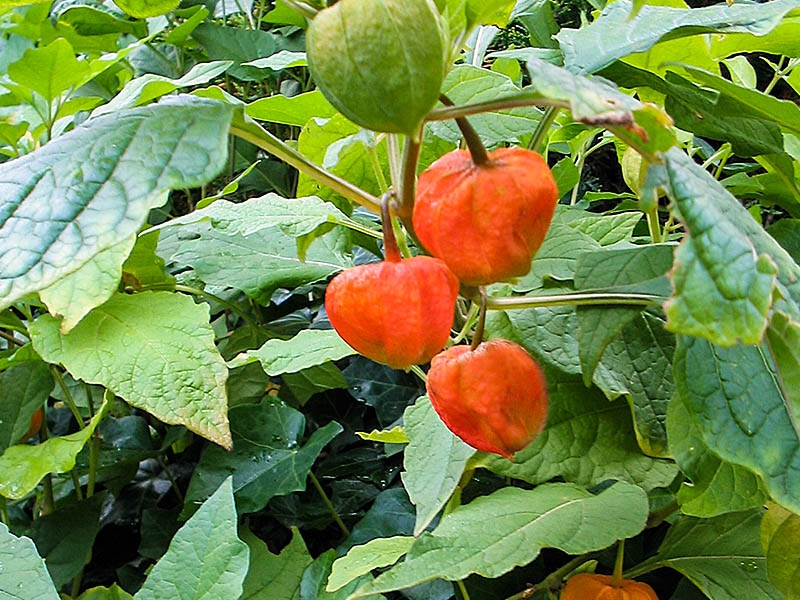
Plant Type
Plant Family
Solanaceae
Height
60~90cm
Spread
60~90cm
Colors
red, orange
Bloom Period
July~August
Water Needs
commonly
Exposure
Sunny
Freezing Resistance
-20°C
Qari Brighti
Physalis wrightii
Island noodle tree
Spiraea insularis