English
한국어
English
Español
中文
हिंदी
Home
News
Community
Dictionary
English
한국어
English
Español
中文
हिंदी
View list
Island noodle tree
Spiraea insularis
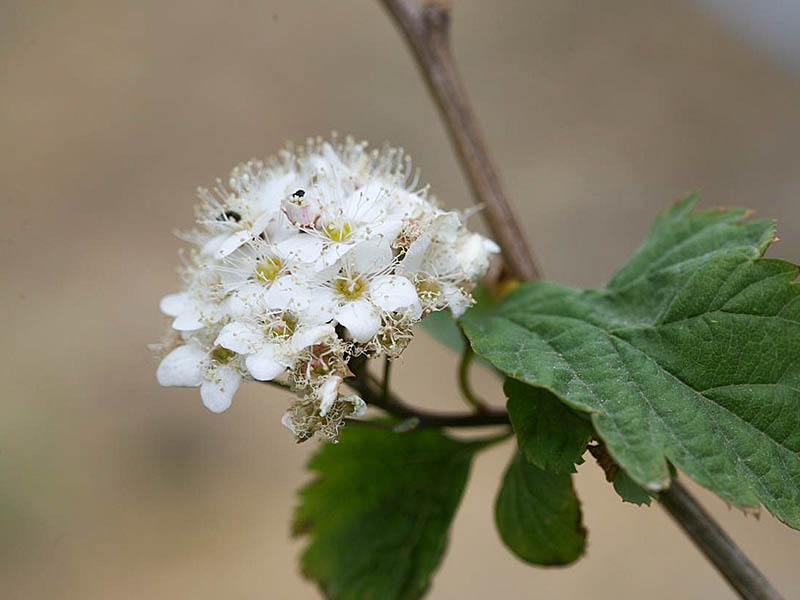
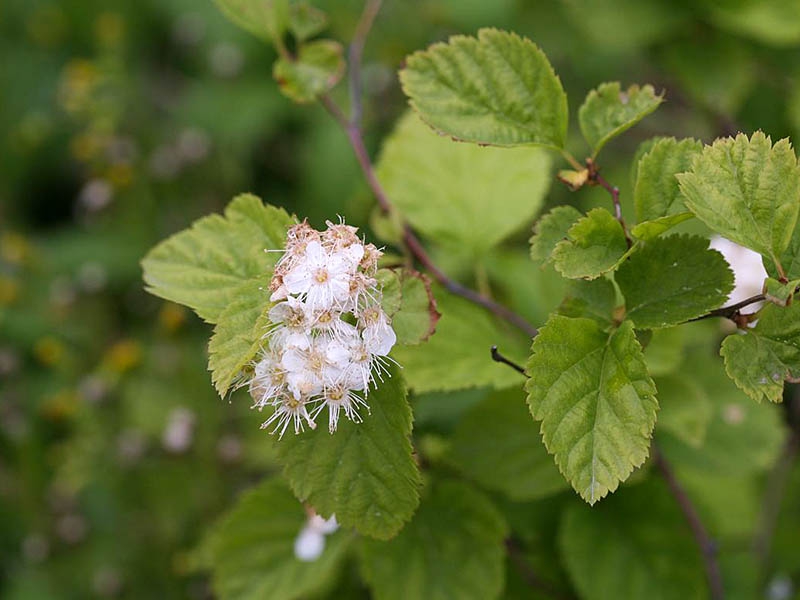
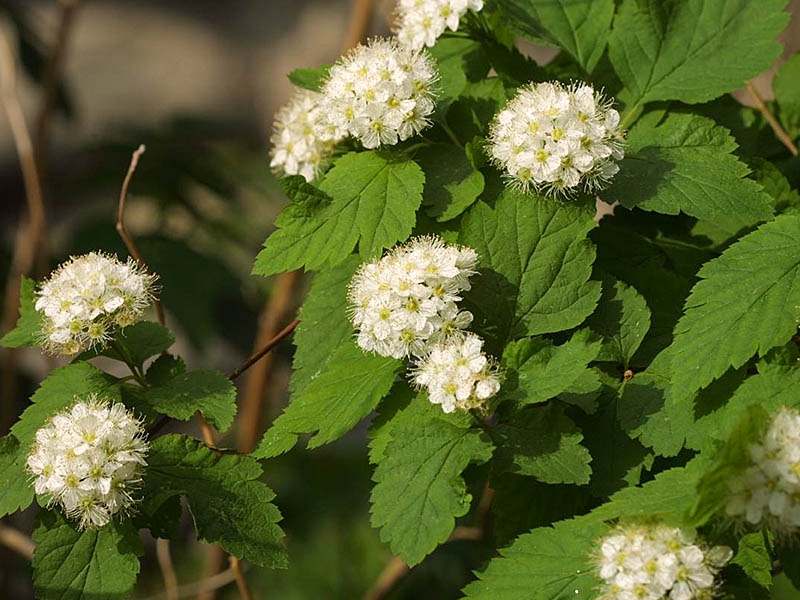
Physocarpus insularis is well known as a rare plant in Korea. The following describes the plant's growth characteristics, propagation methods, cultivation methods, garden uses, and major pests and diseases, as well as control methods. Growth Characteristics - Habitat: Physocarpus insularis primarily grows in coastal forests or mountainous areas and prefers full sun and partial shade. - Soil: It prefers well-drained soil and thrives in slightly acidic or neutral soils. - Height: Mature trees grow up to approximately 2 to 3 meters. - Flowering Season: Small white flowers bloom mainly in May and June. Propagation Methods - Seeds: Propagation by seeds is possible, but it is not recommended due to the low germination rate. - Cuttings: Cuttings from the previous year's branches are the most commonly used method. It is best to perform this in the autumn or early spring. - Division: Mature trees can also be propagated by dividing their rhizomes. Cultivation Methods - Planting Season: It is best to plant in spring or autumn when the weather is cool. - Watering: After initial planting, water consistently to help the roots establish themselves. Subsequently, watering only when the soil is dry is sufficient. - Fertilizer: Apply general shrub fertilizer in the spring. Garden Uses - Aesthetics: The harmony between the white flowers and the turquoise leaves creates an aesthetic effect in the garden. - Border Planting: It is frequently used as a border or background plant. - Ecological Value: It provides nectar to bees and butterflies, and its small fruits serve as food for birds. Important Pests and Control Methods - Diseases: It is resistant to diseases and does not require special control measures. - Pests: Pests such as leaf roller moths may occur; in the early stages, they can be removed by hand or controlled with soapy water. In case of significant damage, use an appropriate insecticide. Insularis is a plant possessing unique beauty and ecological value. With proper care and planting in a suitable location, it can play an excellent role in the garden.
Plant Type
Plant Family
Rosaceae
Height
80~100cm
Spread
Colors
white
Bloom Period
June
Water Needs
commonly
Exposure
Sunny
Freezing Resistance
-30°C
Physalis alkekengi var. frankettii
Physalis alkekengi var. franchetii
Mountain noodle tree
Physocarpus amurensis