English
한국어
English
Español
中文
हिंदी
Home
News
Community
Dictionary
English
한국어
English
Español
中文
हिंदी
View list
Yangguksugnamu
Physocarpus opulifolius
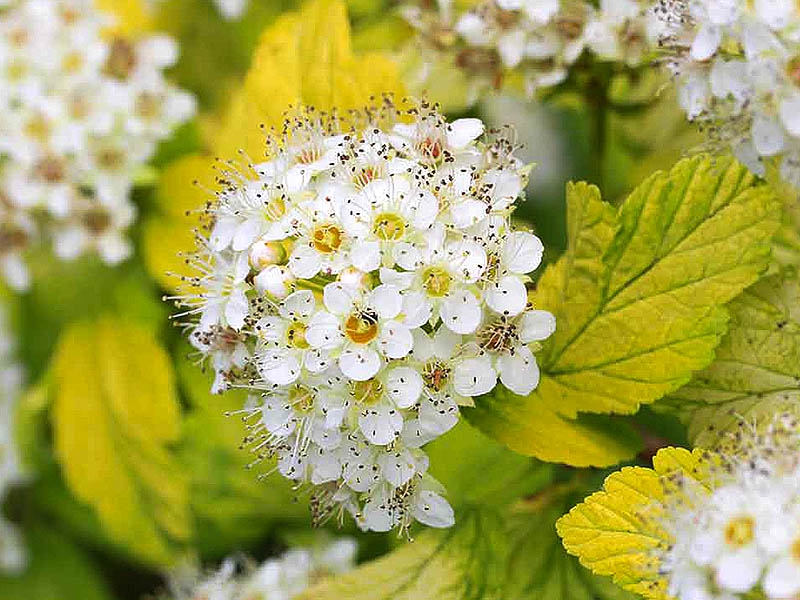
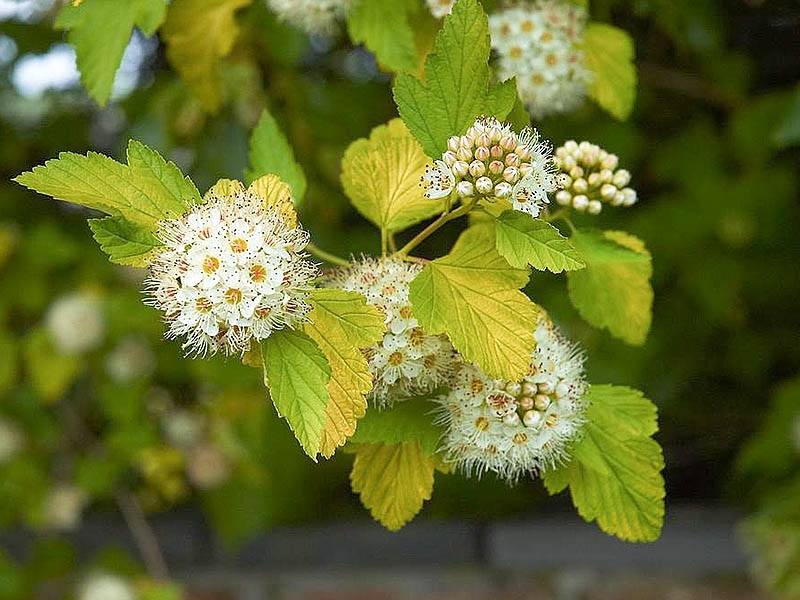
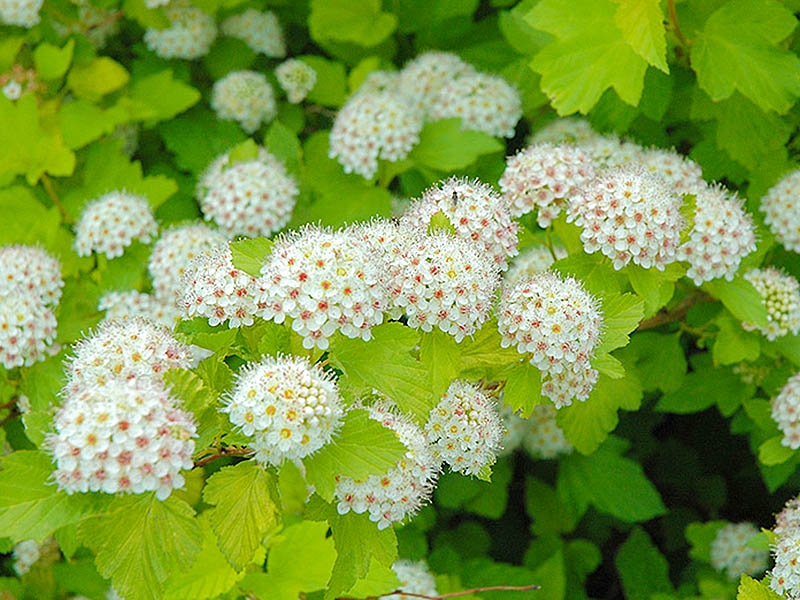
Physocarpus opulifolius is a shrub belonging to the Rosaceae family and is naturally distributed in North America and Asia. The following describes the growth characteristics, propagation methods, cultivation methods, garden uses, major pests and diseases, and control methods of Physocarpus opulifolius. Growth Characteristics - Environment: Physocarpus opulifolius thrives in a variety of environments, ranging from full sun to partial shade. While it prefers well-drained soil, it adapts well to various soil types. - Size: When mature, it typically grows to a height of approximately 1.5 to 3 meters and a width of 1.5 to 3 meters. - Flowers and Fruit: Small white to pink flowers bloom in clusters around May and June, and in the autumn, it bears fruit that changes from red to brown. Propagation Methods - Seed Propagation: Collect seeds from mature fruit in the autumn, refrigerate for 2 to 4 weeks, and sow in the spring. - Cuttings: It can be propagated by taking cuttings from branches in the summer or by root cuttings in the spring and autumn. Cultivation Methods - Watering: After planting, water thoroughly to help the roots establish. Afterward, provide additional water only when the soil is dry. - Fertilizer: It is recommended to use slow-release fertilizers in the spring. - Pruning: In winter or early spring, prune dead or unnecessary branches to maintain the plant's shape. Uses in the Garden - The Japanese zelkova is widely used as a hedge or boundary landscape plant to provide shade. - It has high ornamental value due to its diverse colors and unique bark. Important Pests and Control Methods - Diseases: It may occasionally suffer from leaf spot. Since this disease primarily occurs in poorly ventilated environments, maintaining proper spacing and ventilation is important. - Pests: Pests such as silverfish may be present; these can be controlled through periodic observation and the use of insecticides if necessary. The Japanese spindle tree is a relatively easy-to-care-for plant that can grow in various environments, making it widely used in gardens. If you follow the proper care guidelines, you can enjoy its beautiful appearance for a long time.
Plant Type
Plant Family
Rosaceae
Height
2m
Spread
Colors
white
Bloom Period
May~June
Water Needs
commonly
Exposure
Sunny
Freezing Resistance
-40°C
Mountain noodle tree
Physocarpus amurensis
Jungsan Noodle Tree
Physocarpus opulifolius var. intermedius