English
한국어
English
Español
中文
हिंदी
Home
News
Community
Dictionary
English
한국어
English
Español
中文
हिंदी
View list
spruce tree
Picea jezoensis
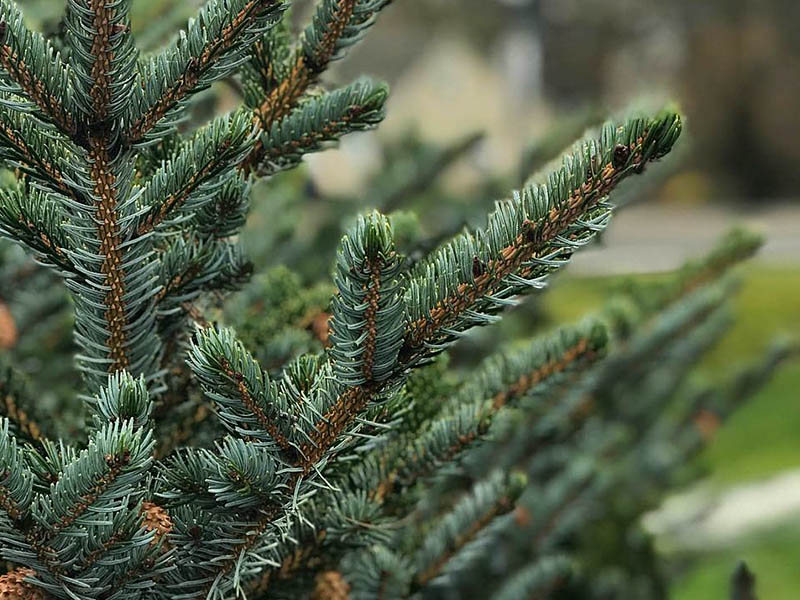
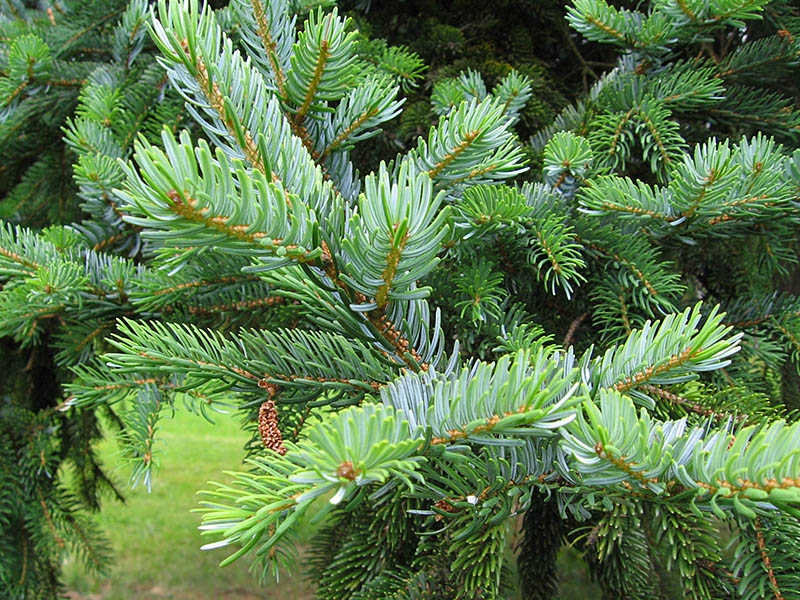
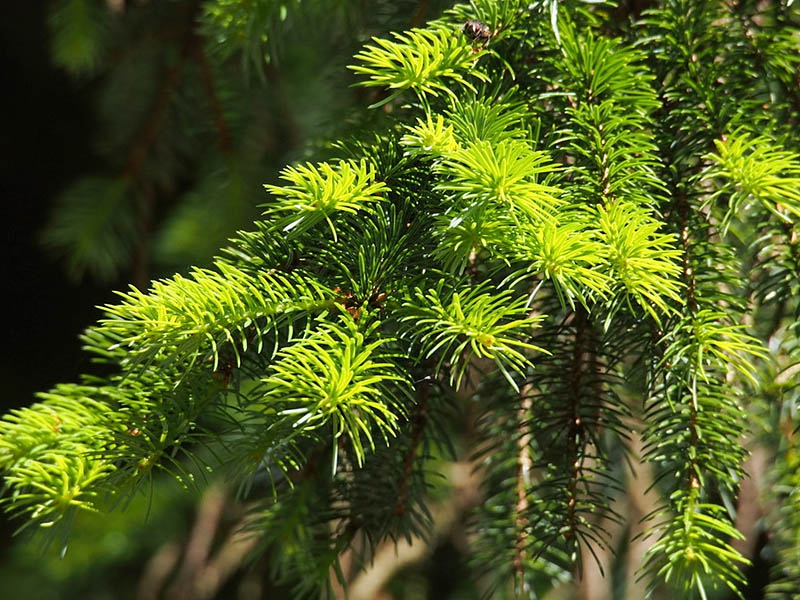
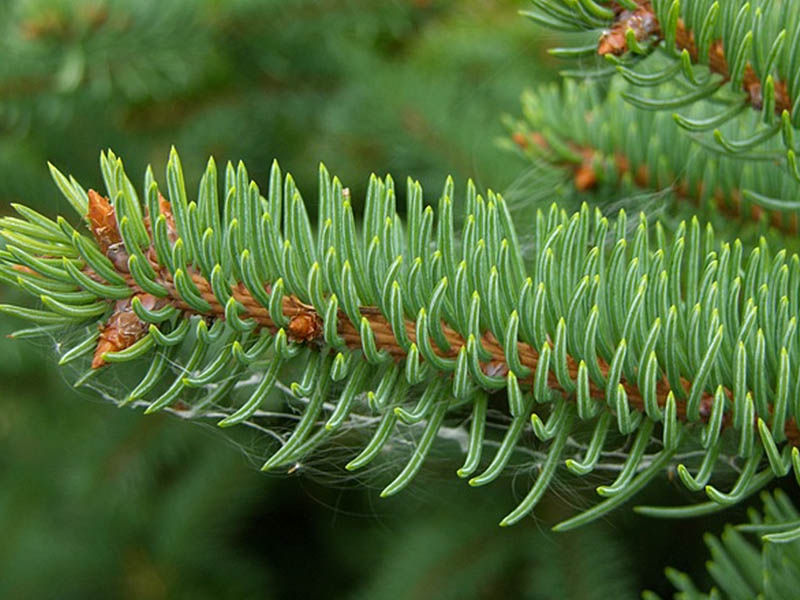
Picea jezoensis is a conifer native to Northeast Asia that thrives primarily in cool climates. The following outlines the growth characteristics, propagation methods, cultivation practices, garden uses, and major pests and diseases, as well as control methods. Growth Characteristics - Climate: It grows well in cold climates and possesses strong tolerance to cool summers and winters. - Soil: It prefers well-drained, slightly acidic to neutral soil. - Sunlight: It requires sufficient sunlight but can also grow in partial shade. - Moisture: It requires adequate moisture but should avoid excessive humidity. Propagation Methods - Seed Propagation: Collect seeds from pine cones that mature in winter and sow them in spring. - Cutting Propagation: New branches can be cut and propagated in the summer. Cultivation Methods - Planting: Select a well-drained location for planting. 2. Seedling Care: Water frequently during the first few years. - Pruning: Prune to shape the tree as needed. Uses in Gardens - Landscape Tree: Used to enhance the scenery in gardens or parks. - Windbreak: Widely planted in windy areas due to its excellent windbreak effect. Important Pests and Control Methods - Pests and Diseases: Scale insects and aphids may occur. - Control Methods: Control can be achieved through periodic observation and the use of insecticides at the appropriate time. - Sanitary Management: Regularly removing fallen leaves and branches reduces the occurrence of pests and diseases. Spruce yejoinsis is highly adaptable to various climatic conditions and can grow healthily with proper care and pest control. It is highly valuable for creating a unique landscape when utilized in gardens.
Plant Type
Plant Family
Pine family
Height
35~40m
Spread
Colors
Bloom Period
March to May
Water Needs
commonly
Exposure
Sunny
Freezing Resistance
-40°C
American pokeweed
Phytolacca americana
Pungsan spruce
Picea pungsanensis