English
한국어
English
Español
中文
हिंदी
Home
News
Community
Dictionary
English
한국어
English
Español
中文
हिंदी
View list
fir tree
Picea koraiensis
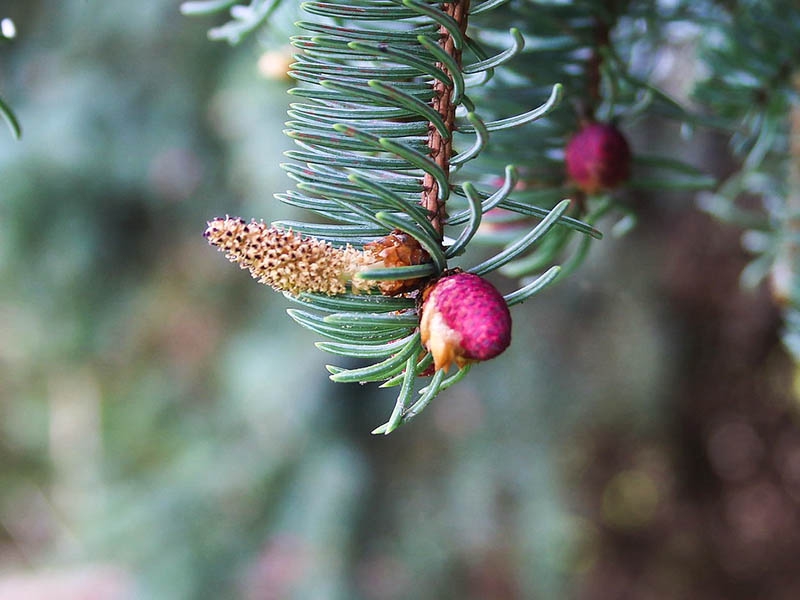
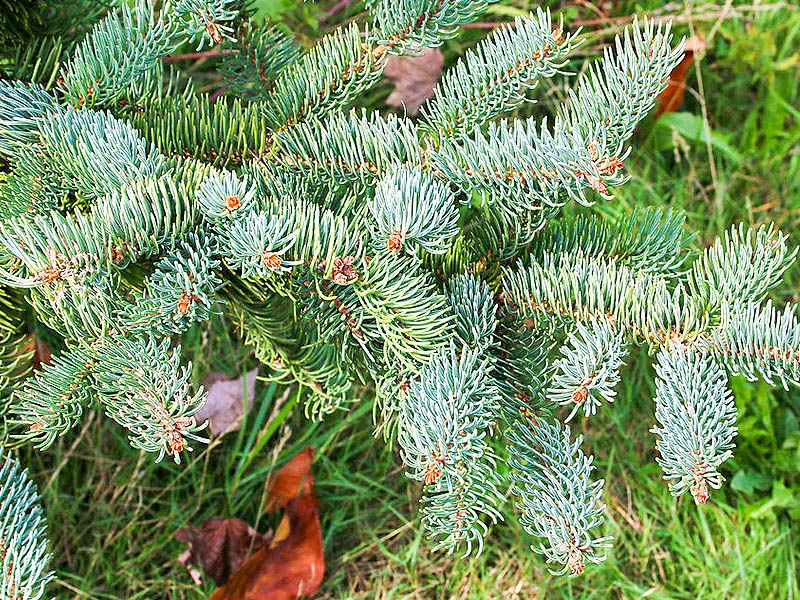
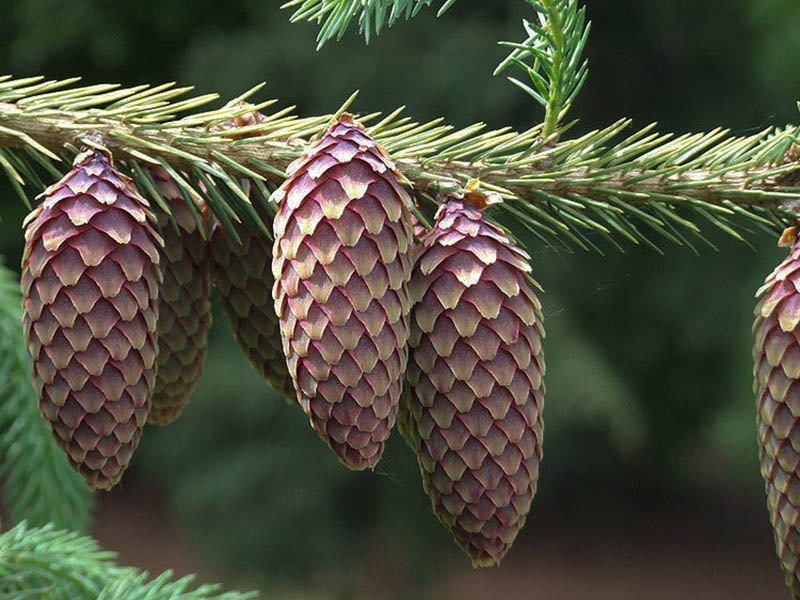
Picea koraiensis is a conifer native to Korea that possesses diverse growth characteristics and cultivation methods. The following is a summary of these. Growth Characteristics - Ecology: Picea koraiensis adapts to the climates of cold and mountainous regions and thrives in locations with abundant sunlight. - Soil: It prefers well-drained, acidic soil. - Growth Rate: It generally grows slowly, reaching a height of approximately 10 to 30 meters upon maturity. - Form: It has a conical shape with dense, dark green branches. Propagation Methods - Seeds: Seeds are collected from mature cones in the autumn and sown. Germination may take some time. - Cuttings: Cuttings can be taken from branches pruned in the spring or summer. However, rooting may be somewhat difficult. Cultivation Methods - Planting: It is best to plant in early spring or autumn. - Watering: Water regularly during the initial establishment period; mature trees generally do not require additional watering. - Fertilization: Fertilizer can be applied in the spring to promote new shoots or growth. - Pruning: Minimal pruning is recommended to maintain a natural tree shape. Uses in the Garden - The Korean fir provides shade and is suitable for planting as a garden border or focal point. - It harmonizes well with various plants and offers a beautiful tree shape throughout the year. Important Pests and Control Methods - Diseases: Root rot and needle blight may occur. Avoid excessive moisture and improve soil drainage. - Pests: Aphids and pine leaf beetles may occur. Control them using soapy water or appropriate insecticides upon early detection. The Korean fir (Choraiensis) is a suitable tree for gardens as it provides shade and creates a beautiful landscape. If pests and diseases are properly managed, you can keep them healthy for a long time.
Plant Type
Plant Family
Pine family
Height
25m
Spread
75cm
Colors
Bloom Period
March to May
Water Needs
commonly
Exposure
Sunny
Freezing Resistance
-40°C
Pungsan spruce
Picea pungsanensis
German spruce
Picea abies