English
한국어
English
Español
中文
हिंदी
Home
News
Community
Dictionary
English
한국어
English
Español
中文
हिंदी
View list
German spruce 'Little Gem'
Picea abie
'Little Gem'
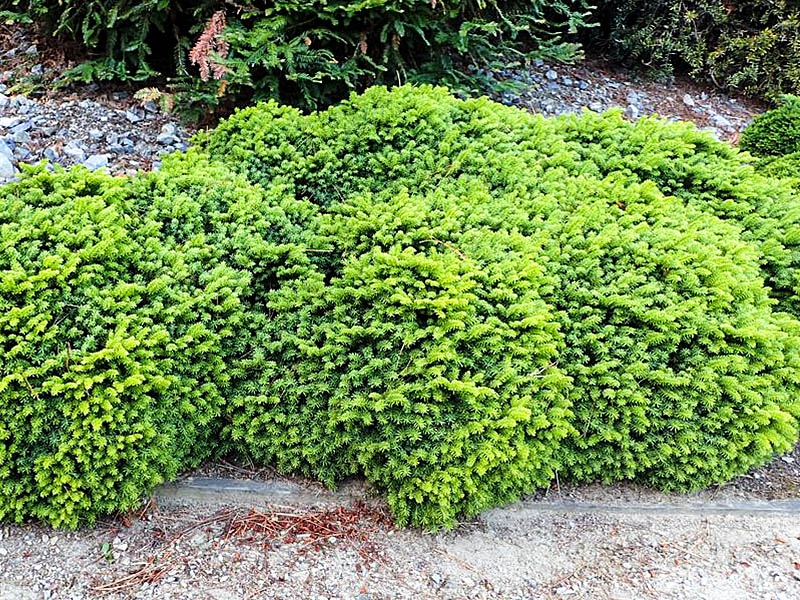
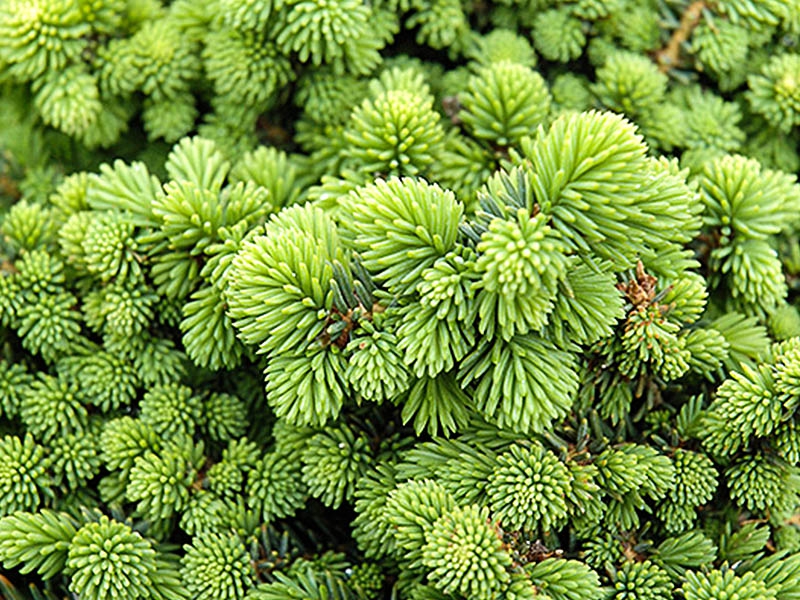
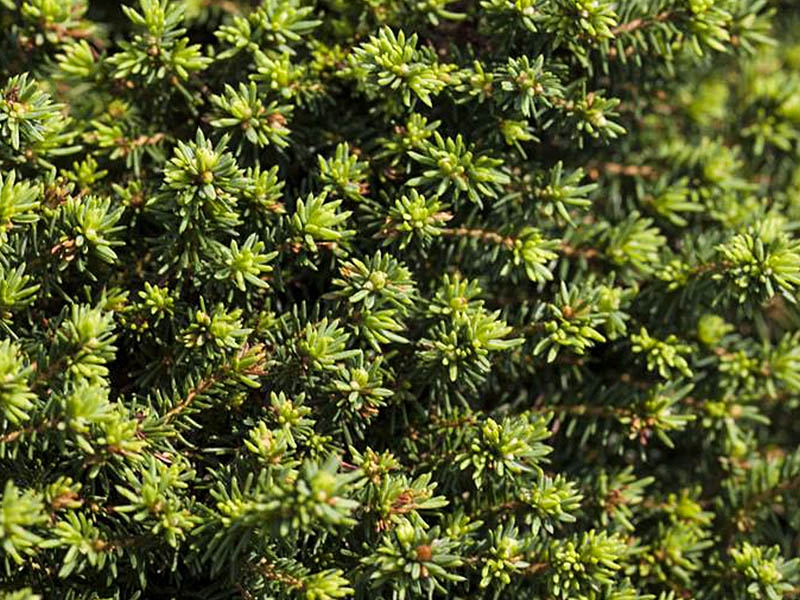
Growth Characteristics: The German Spruce 'Little Gem' (Picea abies 'Little Gem') is a small evergreen shrub with a very slow growth rate. Mature trees reach a height of approximately 30–60 cm and can grow up to a diameter of 60–90 cm. It forms a dense, rounded crown, and its leaves are short, pointed, needle-shaped, and dark green. Propagation Method: 'Little Gem' is generally propagated by cuttings. Between June and July, new branches about 5–10 cm long are cut from healthy mother trees and planted as cuttings. After planting, maintain high humidity and a moderate temperature to promote rooting. Cultivation Method: - Soil: It prefers well-drained acidic or neutral soil. - Light Intake: While it is ideal to grow in a sunny location, it can tolerate partial shade. - Watering: Water when the soil is slightly dry; be careful not to overwater, as excessive moisture can cause root rot. - Fertilization: Replenish nutrients in the spring by applying an appropriate amount of general garden fertilizer. Uses in the Garden: Due to its size and shape, 'Little Gem' is suitable for garden border planting, bonsai, and pot cultivation. It is also used as an accent plant in less shaded areas. Important Pests and Control Methods: - Diseases: Fungal diseases such as root rot may occur. These can be prevented through proper drainage and air circulation. - Pests: It may be damaged by aphids, spider mites, or pine needle gall midges. If damage occurs, control it using appropriate insecticides or natural predators. It is an attractive small shrub that can maintain a healthy appearance for a long time with proper care and maintenance.
Plant Type
Plant Family
Pine family
Height
25~30cm
Spread
30~60cm
Colors
green
Bloom Period
March to August
Water Needs
commonly
Exposure
Sunny
Freezing Resistance
-40°C
German spruce 'Nidiformis'
Picea abies 'Nidiformis'
German spruce 'Inversa'
Picea abies 'Inversa'