English
한국어
English
Español
中文
हिंदी
Home
News
Community
Dictionary
English
한국어
English
Español
中文
हिंदी
View list
Serbian spruce
Picea omorika
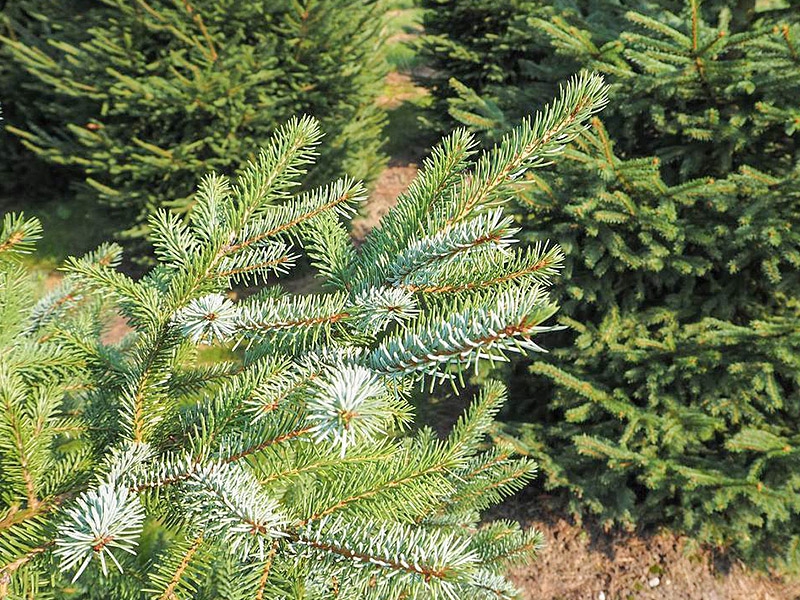
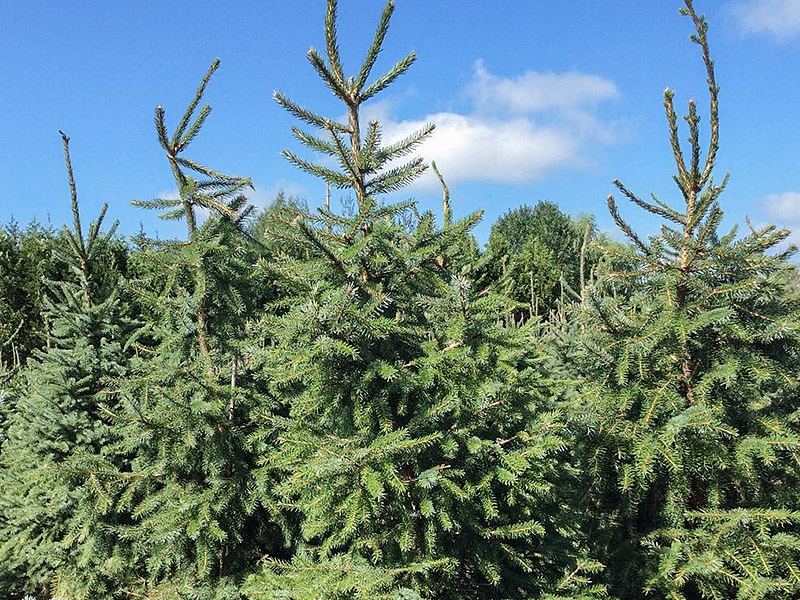
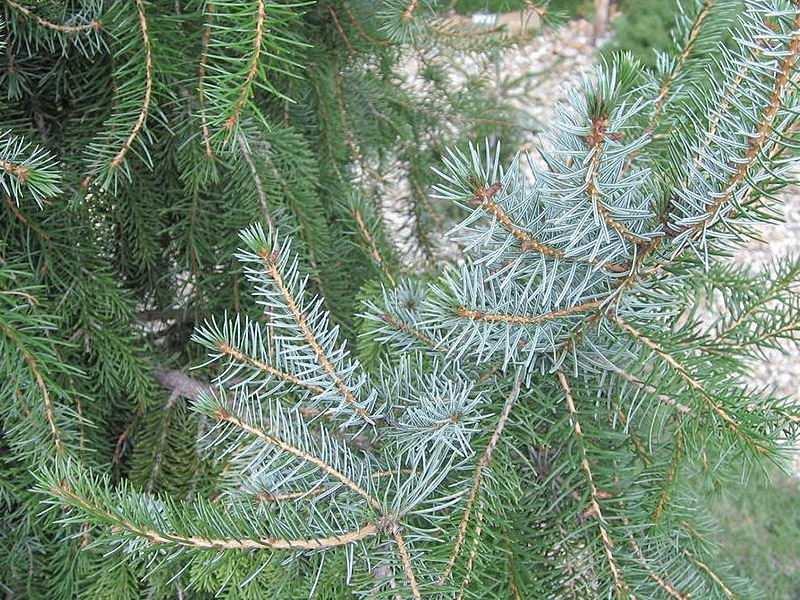
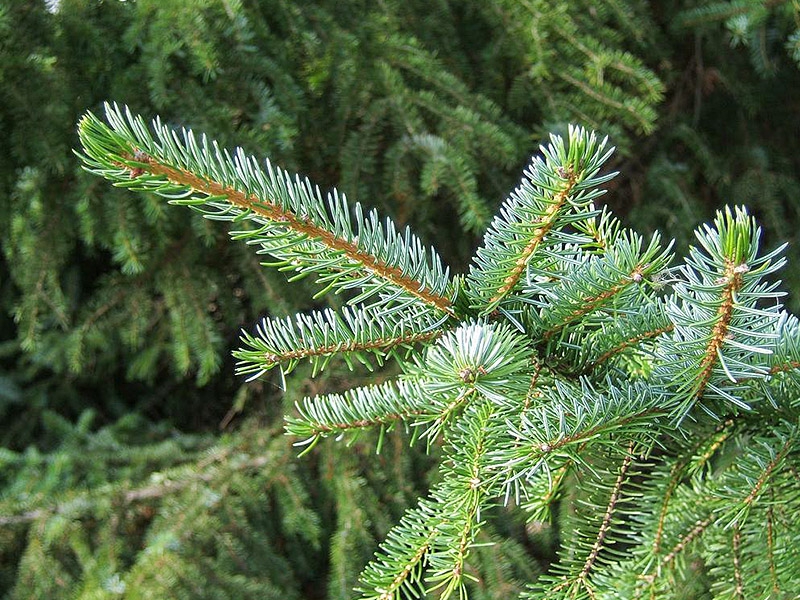
The Serbian spruce, or Picea omorika, is a tree native primarily to the regions of Serbia and Bosnia. Its characteristics, propagation methods, cultivation practices, garden uses, and major pests and control methods are as follows: Growth Characteristics - Size and Shape: The Picea omorika can grow up to 20–30 meters tall upon maturity and possesses a narrow, upward-growing, conical canopy. - Leaves: It has long, slender, needle-shaped leaves that are glossy and dark green. - Environment: It adapts well to cold climates and thrives in well-drained soil. It is primarily found in mountainous terrain and exhibits excellent drought and cold tolerance. Propagation Methods - Seeds: It can be propagated by seeds; harvest in the autumn, refrigerate during the winter, and sow in the spring. - Cuttings: It can be propagated by cutting branches and planting them in the ground. This method requires continuous care until roots are established. Cultivation Methods - Soil: Well-drained soil that is slightly acidic to neutral is suitable. - Watering: It dislikes wet soil, so avoid overwatering; water appropriately during dry periods. - Sunlight: It thrives in ample sunlight. While it can grow in partial shade, growth will be slower. - Fertilization: Use slow-release fertilizer in the spring to promote growth. Uses in Gardens - Landscape Tree: Its characteristic narrow, vertical form makes it suitable for tree landscapes in gardens or forests. - Screening: It can be used as a fence or screening tree, and also serves as a windbreak. Important Pests and Diseases & Control Methods - Diseases: It is primarily susceptible to bark or root rot. Maintain good drainage conditions preventively, and if disease occurs, cut off the affected area to prevent spread. - Pests: Be wary of fir stem worms and leaf-parasitic pests; control them using insecticides upon early detection. - Care: Regular observation and prompt action at the early stages of pest and disease outbreaks are important. The Serbian spruce is highly attractive as a garden tree due to its unique beauty and durability. If planted under proper care and environmental conditions, it can grow healthily for a long time.
Plant Type
Plant Family
Pine family
Height
12~18m
Spread
4.5~6m
Colors
Bloom Period
Water Needs
commonly
Exposure
Sunny
Freezing Resistance
-30°C
Serbian spruce 'Carol'
Picea omorika 'Karel'
Sophora tree
Picrasma quassioides