English
한국어
English
Español
中文
हिंदी
Home
News
Community
Dictionary
English
한국어
English
Español
中文
हिंदी
View list
Island violet
Viola takeshimana
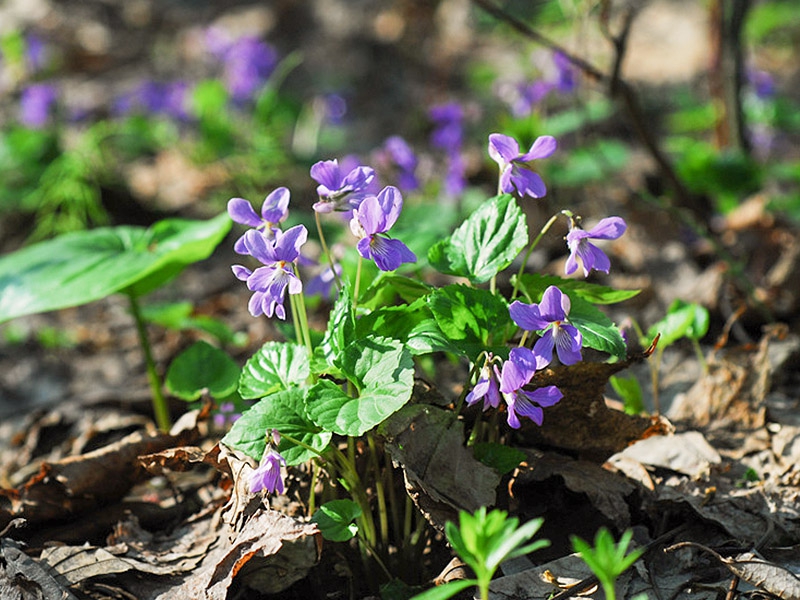
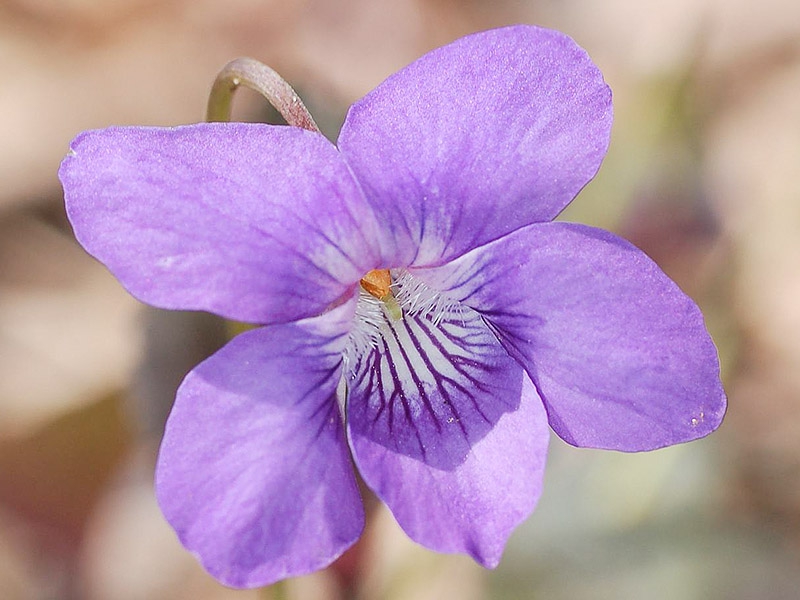
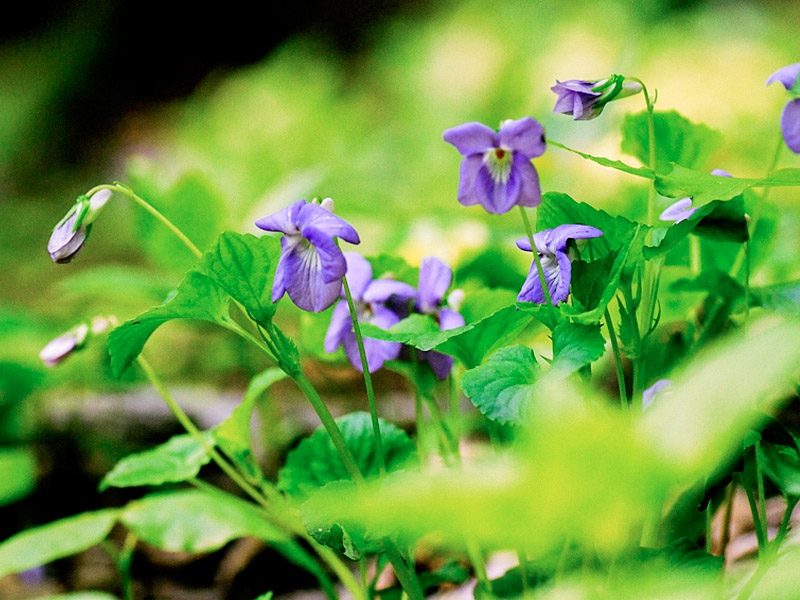
Viola takeshimana is a wildflower native to Korea, primarily found in island regions. Growth Characteristics - Growing Environment: Viola takeshimana thrives in partial shade and prefers moist soil. It grows healthily in well-drained soil. - Flowers and Leaves: It produces purple flowers, and its leaves are palmately compound. Propagation Methods - Seed Propagation: It can be propagated by sowing seeds in the spring or by direct sowing seeds collected in the autumn. - Division: It can be propagated by dividing the clumps in the spring or autumn. Cultivation Methods - Soil Preparation: Plant in well-draining soil and mix in an appropriate amount of organic fertilizer. - Climate Conditions: It grows well in cool climates, and it is best to avoid excessive direct sunlight. - Watering: Maintain moisture, but ensure good drainage. Uses in the Garden - Ornamental: With its beautiful purple flowers and unique leaf shape, it is suitable for ornamental use in the garden. - Ground Cover: It can be used as ground cover by utilizing its rapid spreading characteristics. Important Pests and Control Methods - Powdery Mildew: Plant in a well-ventilated area and use fungicides if necessary. - Aphids: Control them using soapy water or eco-friendly insecticides upon early detection. - Snails and Slugs: Implement physical removal and control methods suitable for organic farming. Through these growth characteristics and management methods, you can grow healthy Viola takesuhimana.
Plant Type
Plant Family
Violet family
Height
10~15cm
Spread
Colors
purple
Bloom Period
May
Water Needs
commonly
Exposure
semi-shaded area
Freezing Resistance
-10°C
Bald mountain violet
Viola tokubuchiana var. takedana
Seoul violet
Viola seoulensis