English
한국어
English
Español
中文
हिंदी
Home
News
Community
Dictionary
English
한국어
English
Español
中文
हिंदी
View list
water bottle
Pilea peploides
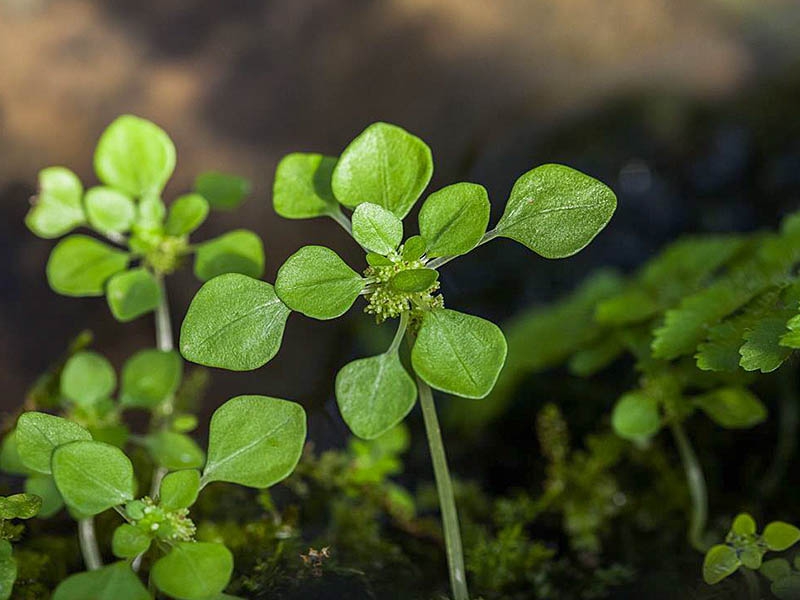
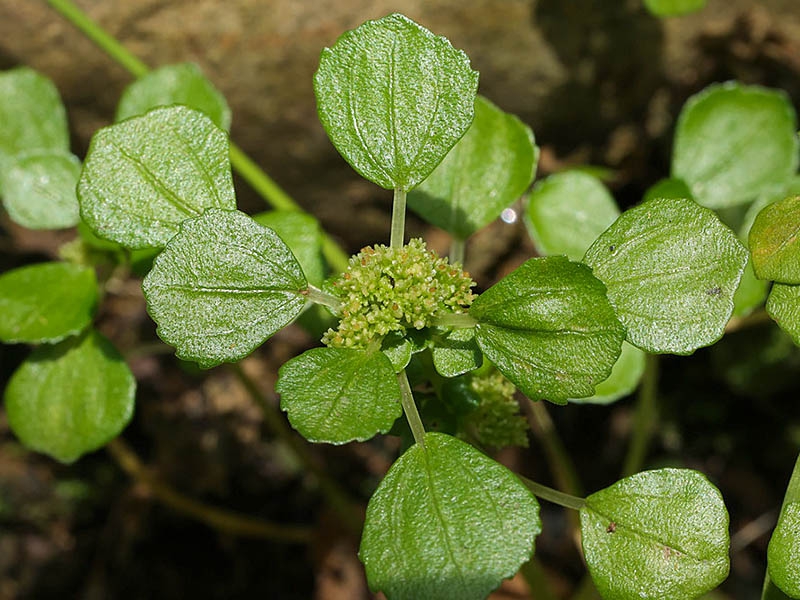
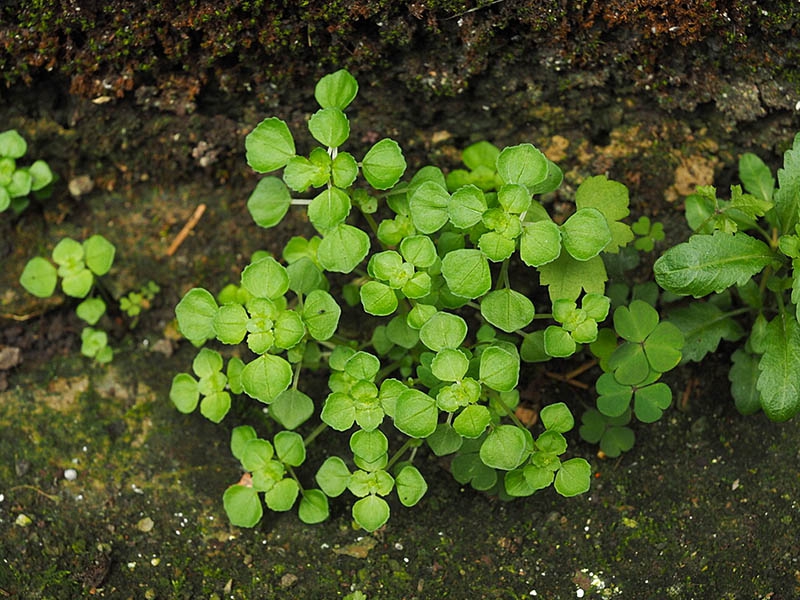
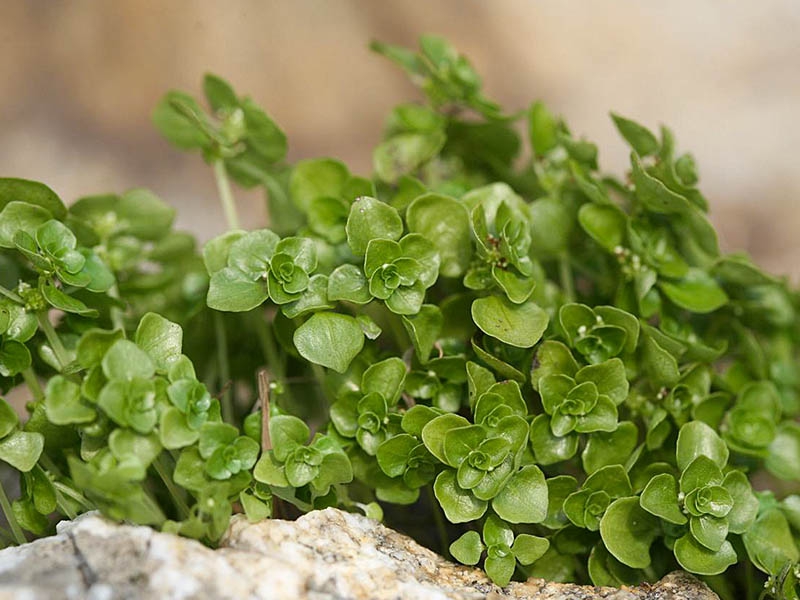
Pilea peploides is a perennial plant found primarily in the temperate regions of the Northern Hemisphere, possessing characteristics well-suited for indoor cultivation. The following is information regarding the growth characteristics, propagation methods, cultivation techniques, garden uses, and major pests and diseases, as well as control methods. Growth Characteristics - Light: Prefers bright indirect light but can tolerate some direct sunlight. - Temperature: Likes cool temperatures and thrives at typical indoor temperatures. - Humidity: Prefers a humid environment; the higher the humidity of the surrounding air, the better. - Soil: Requires well-draining soil; a mixture of perlite and standard potting soil is generally suitable. Propagation Methods - Cuttings: Can be propagated by cutting a stem and planting it in water or soil. - Seeds: Propagation is possible from seeds, but it takes longer than propagation by cuttings. Cultivation Methods - Watering: It is best to water when the top 2-3 cm of the soil is dry. - Fertilization: It is recommended to apply liquid fertilizer every two weeks during spring and summer. - Pruning: It is advisable to prune periodically to maintain the desired shape. Garden Uses - Pilea peploides is popular as a tabletop plant due to its small and attractive leaf shape, and it can also be used in terrariums or indoor gardens. Important Pests and Control Methods - Diseases: Root rot can occur due to overwatering. It is important to use a well-draining pot and avoid excessive watering. - Pests: Spider mites or scale insects may appear on the leaves. You can wipe the entire plant with mild soap and water or use a professional insecticide. By following these characteristics and care methods, you can grow a healthy Pilea peploides.
Plant Type
Plant Family
Nettle family
Height
5~10cm
Spread
Colors
green
Bloom Period
July~August
Water Needs
commonly
Exposure
shade
Freezing Resistance
-5°C
Pilea spurcheana 'Norfolk'
Pilea spruceana 'Norfolk'
Julphilia
Pilea nummularifolia