English
한국어
English
Español
中文
हिंदी
Home
News
Community
Dictionary
English
한국어
English
Español
中文
हिंदी
View list
Pilea involucrat
Pilea involucrata
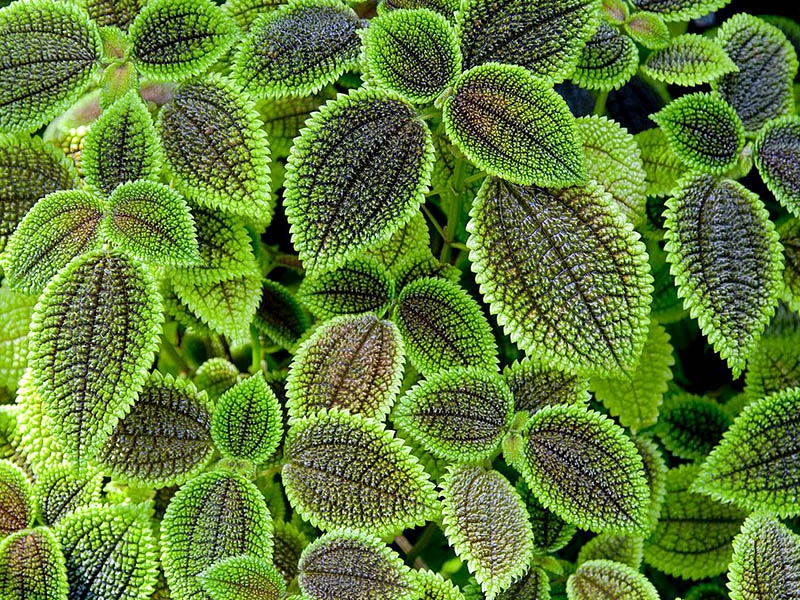
Pilea involucrata is a plant primarily grown indoors and is popular due to its unique leaf shape and texture. - Growth Characteristics: Pilea involucrata is a relatively easy plant to care for. It grows to a height of about 30 cm, and its leaves are succulent and give a thick appearance. The leaves are mainly dark green, and sometimes exhibit a subtle metallic sheen. - Propagation Method: This plant can primarily be propagated by cuttings. You can cut a healthy stem and place it in water to encourage rooting, or plant it directly in soil. While there is no specific season for propagation, spring or early summer is the most suitable. - Cultivation Method: Pilea involucrata thrives in a bright location that avoids direct sunlight. It is best to water using the bottom watering method when the soil becomes dry, and overwatering should be avoided. It prefers an environment with high indoor humidity and grows well in fairly high humidity. 4. Use in the Garden: Although commonly used as an indoor plant, it can also be grown in the garden in warm climates. It is best to plant it in a shady area, and it is recommended to plant it in a pot to allow for easy movement. - Major Pests and Control Methods: Pilea involucrata is generally resistant to pests and diseases, but root rot or fungal problems may occur if the soil is overwatered. Additionally, spider mites or scale insects may appear; these can be controlled by periodically wiping the leaves with water or using soapy water. In severe cases, using an appropriate insecticide is also an option. With proper care and an environment provided, Pilea involucrata is a plant that can enhance the beauty of a space with its lovely leaves.
Plant Type
Plant Family
Nettle family
Height
10~15cm
Spread
Colors
green
Bloom Period
July~August
Water Needs
commonly
Exposure
semi-shaded area
Freezing Resistance
-5°C
Pilea 'Moon Valley'
Pilea mollis 'Moon Valley'
Pilea de Presa
Pilea depressa