English
한국어
English
Español
中文
हिंदी
Home
News
Community
Dictionary
English
한국어
English
Español
中文
हिंदी
View list
slender wild chives
Pimpinella koreana
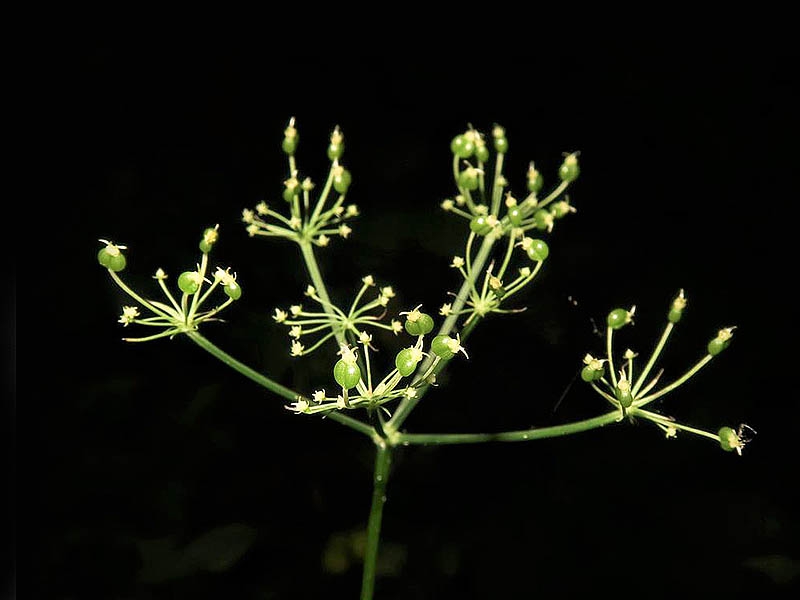
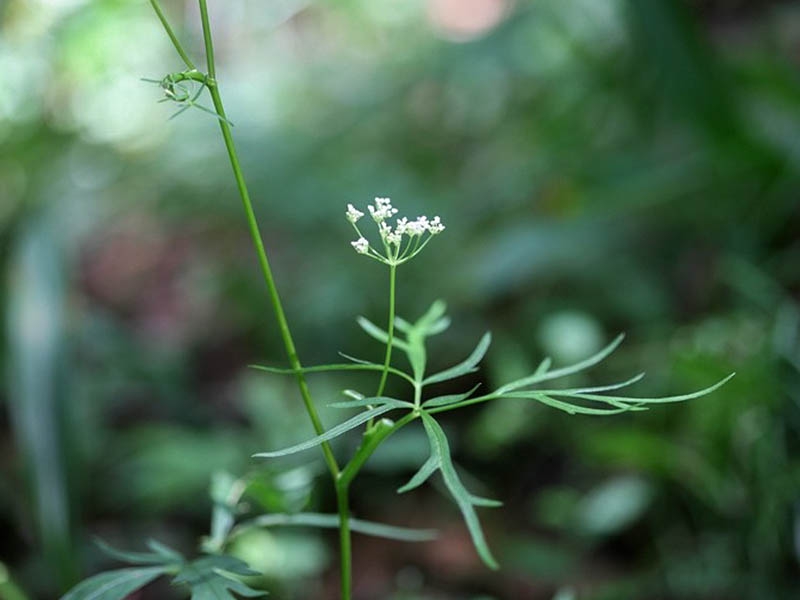
Pimpinella koreana is a perennial herbaceous plant belonging to the Apiaceae family, native primarily to East Asia. The plant's growth characteristics, propagation methods, cultivation methods, garden uses, and major pests and diseases, as well as control methods, are as follows: Growth Characteristics - Environmental Conditions: Pimpinella koreana prefers both full sun and partial shade, but thrives best in well-drained soil. - Growing Temperature: It grows well in mild climates; it is best to avoid environments that are too hot or too cold. - Moisture: Maintaining moderate moisture is important. Excessive moisture can cause root rot. Propagation Methods - Seed Propagation: It can be propagated by sowing seeds in the spring. To increase germination rates, it is recommended to sow the seeds after a slight cold treatment. - Division Propagation: This is possible during the spring or autumn. Simply divide the roots and plant the new clumps. Cultivation Methods - Soil Preparation: Soil rich in organic matter is suitable. It is recommended to enrich the soil by applying sufficient compost before sowing. - Watering: During the growing season, water consistently to prevent the soil from drying out; however, care must be taken to avoid overwatering in well-drained soil. - Fertilizer: It is beneficial to supply an appropriate amount of fertilizer during the growing season. Over-fertilization should be avoided. Uses in the Garden - Landscaping: Cinnamomum cassia is frequently used as an ornamental plant in gardens due to its unique leaf shape and fragrant scent. - Edible and Medicinal Uses: Young leaves are edible, and it is also occasionally used for medicinal purposes. Important Pests and Control Methods - Diseases: A disease causing leaf spots may occur, primarily caused by overwatering. Attention should be paid to drainage to prevent this. - Pests: Pests such as aphids may appear. These can be controlled through periodic inspections and, if necessary, by using eco-friendly insecticides. Based on the information above, you can cultivate and manage Cinnamomum cassia coreana healthily. With sufficient attention and proper care, you can add beauty and functionality to your garden.
Plant Type
Plant Family
Apiaceae
Height
60~100cm
Spread
Colors
white
Bloom Period
July–August
Water Needs
commonly
Exposure
semi-shaded area
Freezing Resistance
-15°C
Chamnamul
Pimpinella brachycarpa
Halla Chamnamul
Pimpinella hallaisanensis