English
한국어
English
Español
中文
हिंदी
Home
News
Community
Dictionary
English
한국어
English
Español
中文
हिंदी
View list
Pinguicula
Pinguicula vulgaris
var.
macroceras
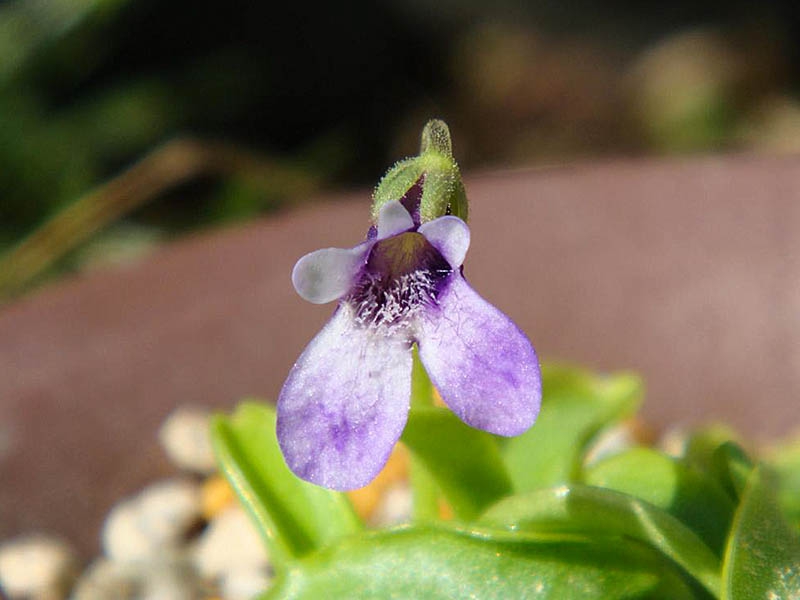
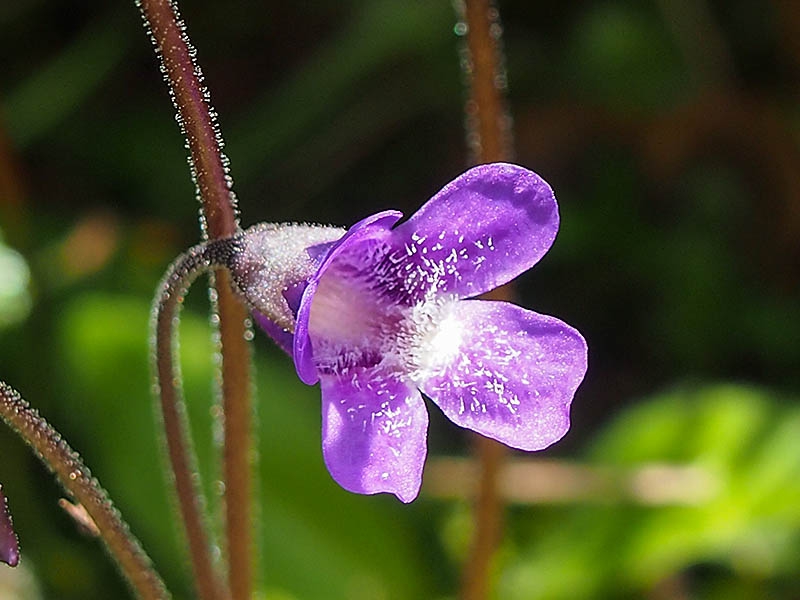
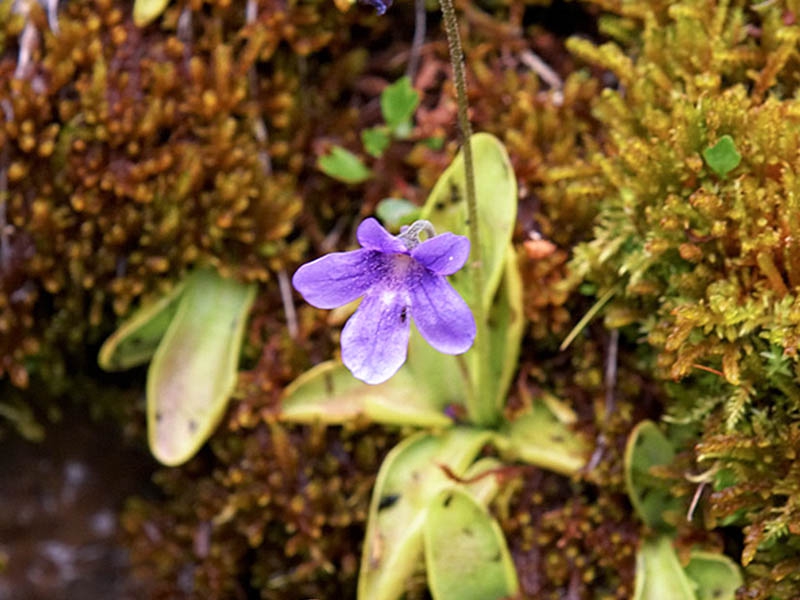
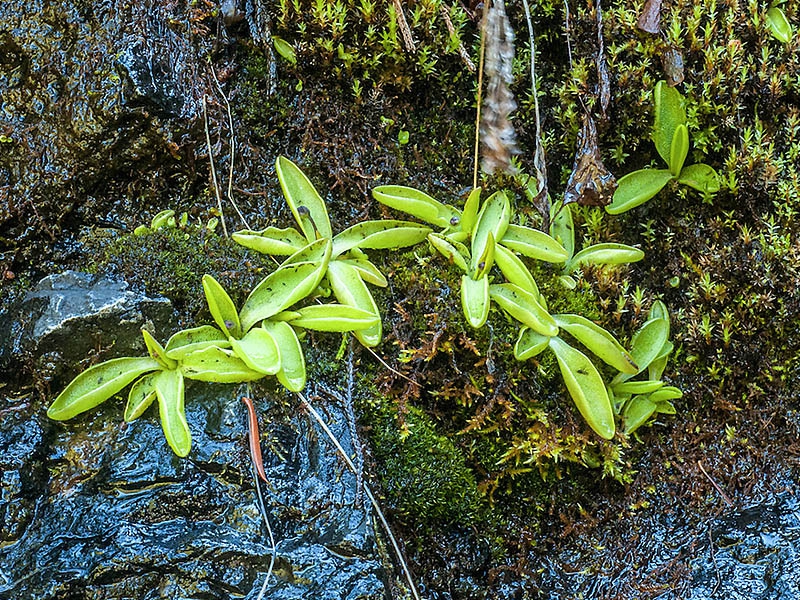
Pinguicula vulgaris var. macroceras is a carnivorous plant that primarily grows in wetlands or humid environments. Let’s examine its growth characteristics, propagation methods, cultivation techniques, garden uses, and major pests and diseases, as well as control methods. Growth Characteristics Pinguicula vulgaris var. macroceras thrives in moist soil and prefers sunny locations. However, it is best to avoid strong direct sunlight. This plant grows well in low temperatures year-round, but growth may slow down in high-temperature environments during the summer. Since it enters a dormant period during the winter, it is advisable to reduce or almost completely stop watering. Propagation Methods Pinguicula vulgaris is primarily propagated by division or seeds. Division involves separating a new individual from the roots or stems of a mature plant and planting it. For seed propagation, simply collect the seeds formed after the flowers have faded and sow them. Since the germination rate of seeds can be low, it is recommended to plant as many seeds as possible. Cultivation Method When cultivating, use well-draining soil; ideally, the soil should be poor. Use soil with good drainage, and if the drainage is poor, you can add sand or perlite to improve it. As a carnivorous plant, it thrives in nutrient-poor soil due to its insect-eating characteristics. Therefore, it requires almost no fertilizer. Uses in the Garden The hairy violet is suitable as an ornamental plant for moist gardens or near water. Planting it alongside other carnivorous plants can create a unique garden atmosphere, and in areas with many insects, it can also provide some degree of pest control. Major Pests and Diseases and Control Methods Major pests and diseases include fungal diseases, aphids, and earthworms. To prevent fungal diseases, create a well-ventilated environment and avoid excessive moisture. Aphids and earthworms can be easily removed. If necessary, eco-friendly insecticides can be used for control. When controlling pests, you must consider the impact on the surrounding environment and other organisms. To grow healthy Viola japonica, you must pay attention to the information above and perform periodic care and observation. Continuous care will help the plant's health and growth.
Plant Type
Plant Family
Fish traps
Height
5~15cm
Spread
Colors
purple
Bloom Period
June to August
Water Needs
commonly
Exposure
shade
Freezing Resistance
-10°C
Banha
Pinellia ternata
Violet
Pinguicula caudata