English
한국어
English
Español
中文
हिंदी
Home
News
Community
Dictionary
English
한국어
English
Español
中文
हिंदी
View list
hairy violet
Pinguicula villosa
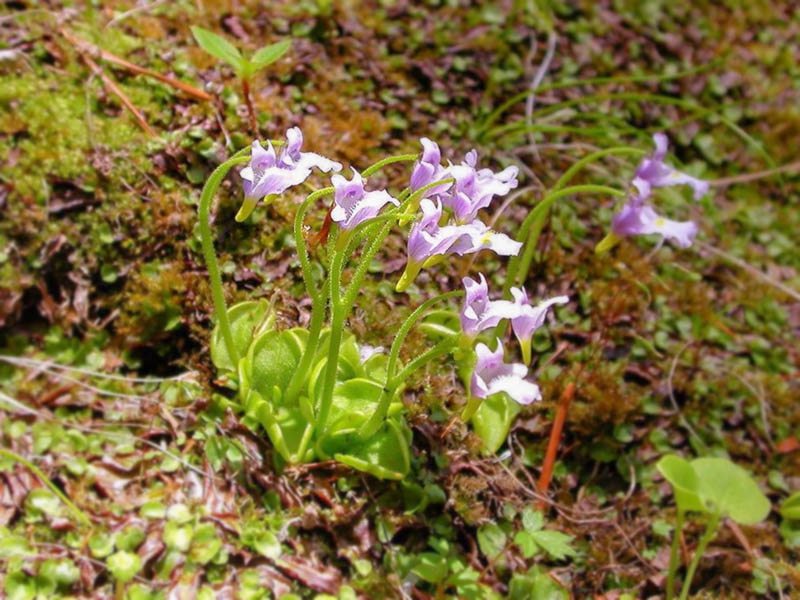
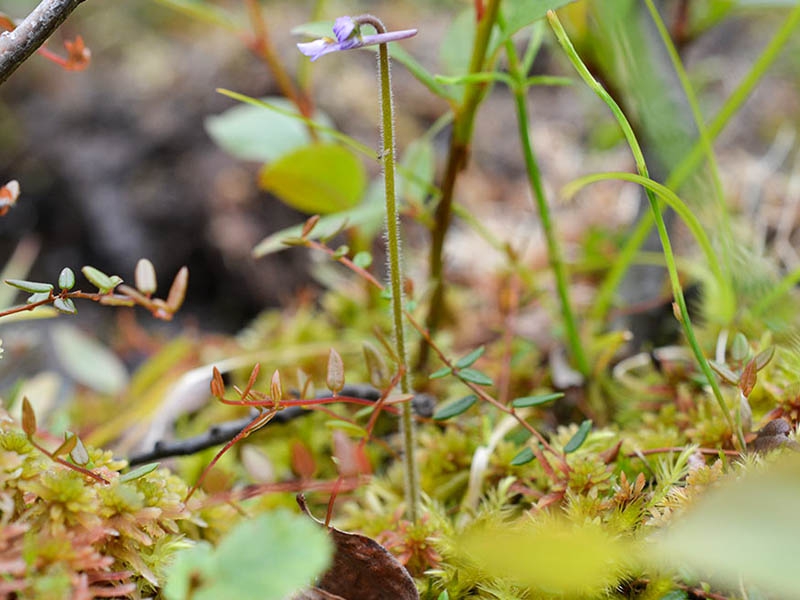
Pinguicula villosa is a carnivorous plant attracting attention for its unique ecological characteristics and beautiful flowers. The following outlines the plant's growth characteristics, propagation methods, cultivation methods, garden uses, and major pests and diseases, as well as control methods. Growth Characteristics - Environment: It primarily grows in humid areas and is found in peatlands or wetlands in mountainous regions. - Temperature: It prefers a cool climate and does not thrive in excessively high temperatures or dry environments. - Light: It prefers bright indirect light. Strong direct sunlight should be avoided. Propagation Methods - Seed Propagation: It can be propagated by seeds. To increase germination rates, it is recommended to store seeds in a refrigerator for a certain period before sowing. - Leaf Cuttings: You can cut off healthy leaves and plant them in water or moist soil to encourage rooting. Cultivation Methods - Soil: Well-draining peat soil or moss can be used, and it prefers acidic soil. - Watering: Water frequently to keep the soil consistently moist, ensuring good drainage. - Fertilizer: Generally, fertilizer is not applied, and due to its characteristic of preying on fish and insects, it does not require additional fertilizer. Garden Use - Decorative Element: It can be used as a decorative element in wetlands or gardens with high water levels. - Creating Special Environments: The plant's characteristics can be highlighted by creating small beaver colonies or isolated wetland environments. Important Pests and Control Methods - Diseases: Root rot can occur due to excessive moisture. To prevent this, ensure good drainage. - Pests: Although the plant is generally not eaten by small insects, caution is required regarding pests such as fungal flies. - Control Methods: Maintain good drainage, and if necessary, use eco-friendly pest control agents. Thanks to its unique growth habits, Viola villosa can serve as an interesting decorative element in gardens or indoors. If you understand the characteristics and requirements of plants and manage them properly, you can grow them in a beautiful and healthy state.
Plant Type
Plant Family
Fish traps
Height
2~13cm
Spread
Colors
purple, magenta
Bloom Period
July–August
Water Needs
commonly
Exposure
semi-shaded area
Freezing Resistance
-10°C
Violet
Pinguicula caudata
Korean black pine
Pinus thunbergii