English
한국어
English
Español
中文
हिंदी
Home
News
Community
Dictionary
English
한국어
English
Español
中文
हिंदी
View list
Korean pine
Pinus koraiensis
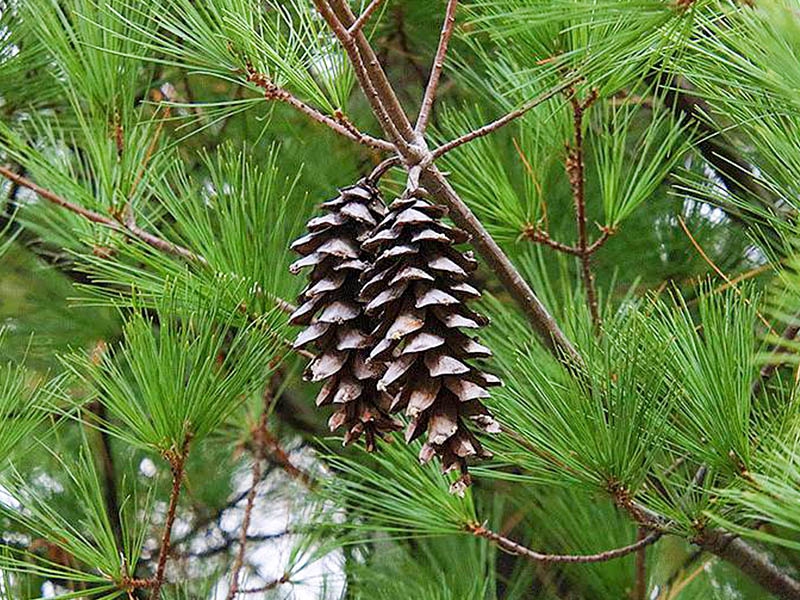
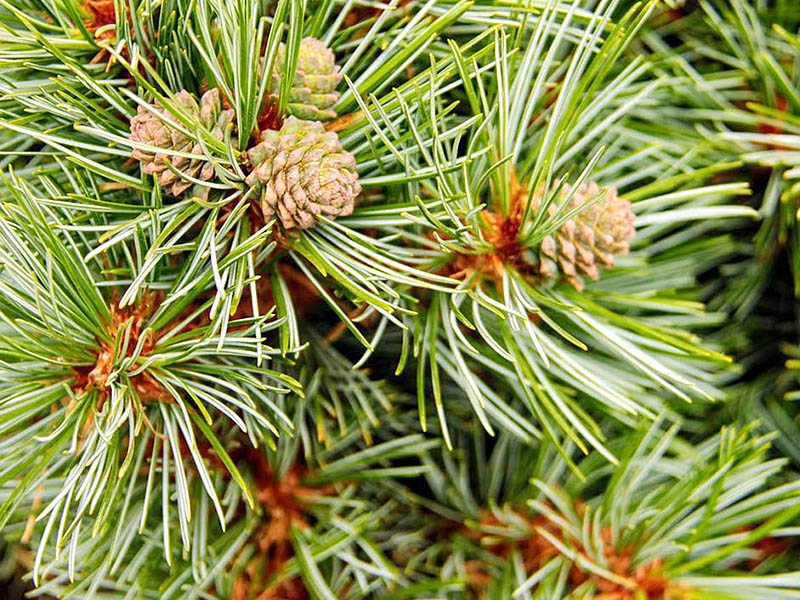
Korean Korean pines (Pinus koraiensis) are conifers of the pine family native to South Korea, northeastern China, and the Russian Far East. The following is information regarding the growth characteristics, propagation methods, cultivation methods, garden uses, and major pests and diseases, as well as control methods for Korean Korean pines. Growth Characteristics - Height: Mature trees can grow up to 30 to 40 meters. - Growing Environment: It prefers strong sunlight and well-drained soil. It also thrives in acidic or neutral soils. - Lifespan: It is a long-lived tree capable of living for thousands of years. Propagation Methods - Seed Propagation: It can be propagated using seeds harvested in the autumn. After harvesting, the seeds should be refrigerated and planted in the spring. - Grafting: It is also propagated through grafting to maintain specific varieties. Cultivation Methods - Planting: It is best to plant in the spring or early autumn, spacing them appropriately apart. - Watering: Watering should be done sufficiently during the initial stages, but once the plant has grown, natural rainfall will provide adequate maintenance. - Fertilizer: There are no specific requirements, but fertilizer may be applied to avoid periods of low growth. Uses in Gardens - Landscape Tree: Korean Pinus Koraiensis is highly popular as a landscape tree due to its beautiful shape and form. - Windbreak: It is effective at blocking wind and is utilized in large-scale reforestation projects. Important Pests and Control Methods - Pine Needle Gall Midge: It causes damage by primarily gnawing on young leaves. It can be prevented by spraying chemical insecticides at the appropriate time. - Korean Pine Scale Insect: It attaches to the stems and leaves and steals nutrients. In some cases, insecticides can be used in conjunction with physical removal. - Diseases: Korean pines are relatively resistant, but if a disease occurs, it is recommended to cut off and remove the diseased parts and use fungicides if necessary. This information is merely a basic guideline; therefore, it is advisable to adjust methods according to regional climate and soil conditions.
Plant Type
Plant Family
Pine family
Height
15~30m
Spread
Colors
Bloom Period
March to May
Water Needs
commonly
Exposure
Sunny
Freezing Resistance
-40°C
Island pine
Pinus parviflora
pine tree
Pinus densiflora