English
한국어
English
Español
中文
हिंदी
Home
News
Community
Dictionary
English
한국어
English
Español
中文
हिंदी
View list
Rigida pine
Pinus rigida
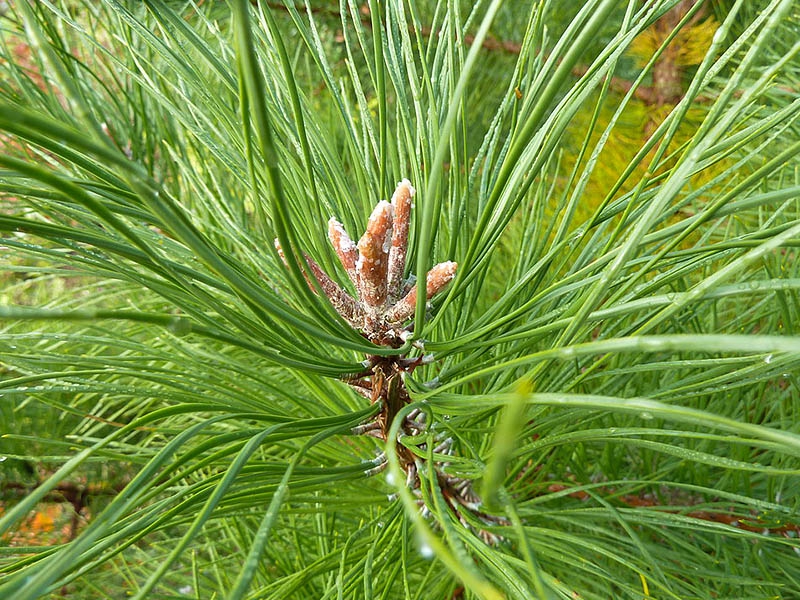
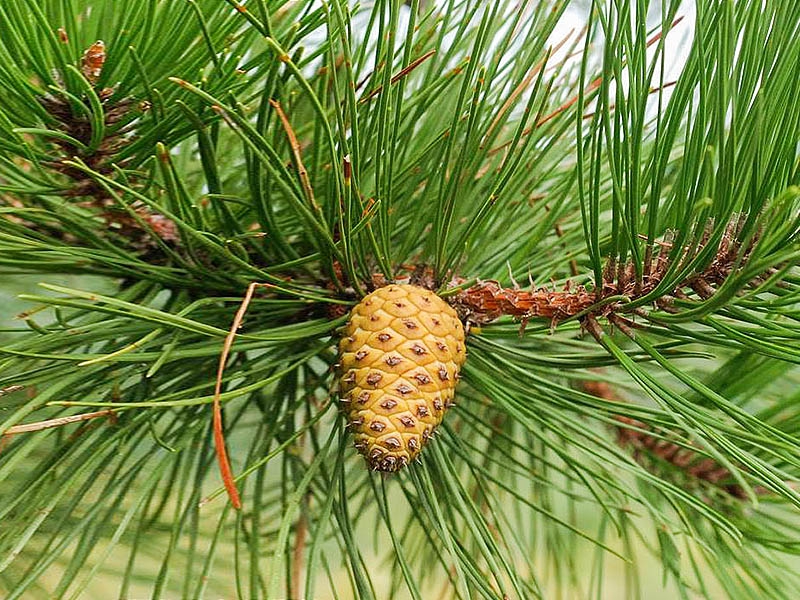
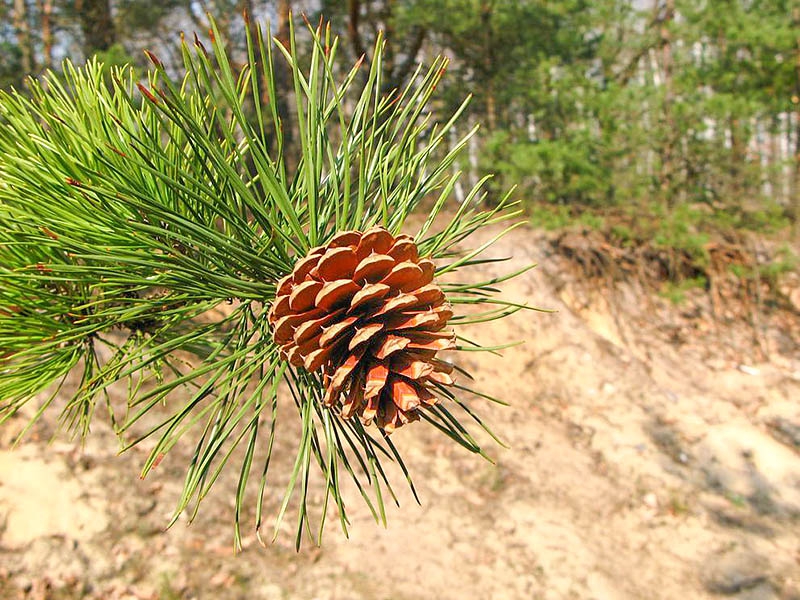
Pinus rigida is a conifer native to eastern North America, and in Korea, it is primarily used for landscape design and environmental restoration. Below is an explanation of Pinus rigida's growth characteristics, propagation methods, cultivation methods, garden uses, and major pests and diseases, as well as control methods. Growth Characteristics - Soil: It grows well even in relatively poor soil and prefers well-drained sandy soil. - Sunlight: It thrives in sunny locations and can adapt to partial shade. - Moisture: It is relatively resistant to drought, but growth may be hindered in overly dry environments. - Temperature: It is resistant to cold and adapts well to various climatic conditions. Propagation Methods - Seed Propagation: Seeds are collected from mature pine cones in the autumn and sown the following spring. - Grafting: Propagation by grafting is also possible; characteristics can be improved by grafting it with other pines of the same genus. Cultivation Method - Soil Preparation: Prepare the soil to ensure good drainage. - Planting: It is best to plant in the autumn or spring. Before planting, prepare the soil to protect the roots. - Watering: Adequate moisture is required initially, but it is advisable to rely on natural precipitation for sufficient water supply if possible. - Fertilizer: Generally, separate fertilizer is not necessary, but a small amount may be applied to promote growth. Uses in Gardens Pine Rigida is widely used in gardens for ecological restoration and ornamental purposes. In particular, its natural form and durable characteristics make it suitable for landscape design. Important Pests and Control Methods - Pine Wilt Disease: This is the most dangerous disease; if the disease occurs, the affected area must be removed immediately and the surrounding area disinfected. - Needle Blight: This is a fungal disease; it can be prevented by removing infected parts and using appropriate fungicides. - Pests: Pests such as the pine needle beetle and the yellow-winged borer may occur. Control them using appropriate insecticides upon early detection. Pinus rigida is a suitable plant for various landscaping and environmental restoration projects because it is relatively easy to care for and adapts well to various environments.
Plant Type
Plant Family
Pine family
Height
25m
Spread
1m
Colors
green
Bloom Period
March to May
Water Needs
commonly
Exposure
Sunny
Freezing Resistance
-40°C
Strobus pine
Pinus strobus
Fungens pine
Pinus pungens