English
한국어
English
Español
中文
हिंदी
Home
News
Community
Dictionary
English
한국어
English
Español
中文
हिंदी
View list
Violet
Viola rossii
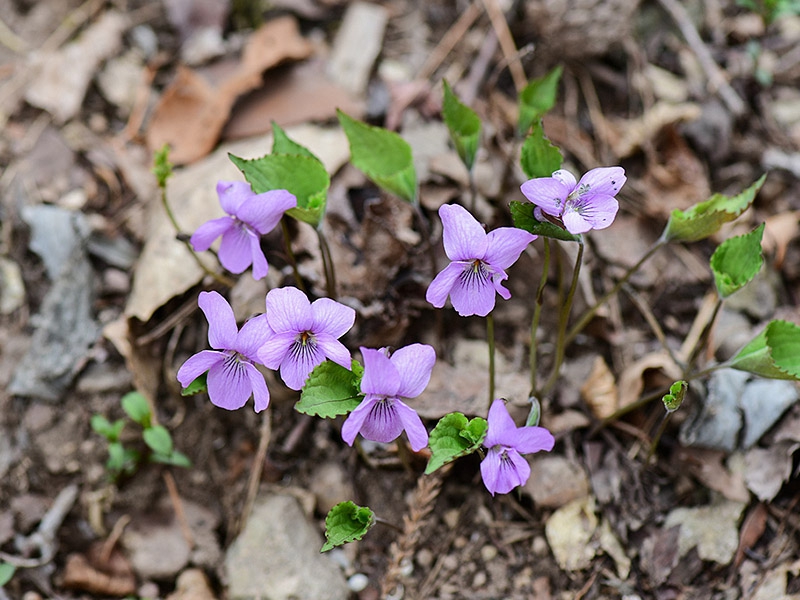
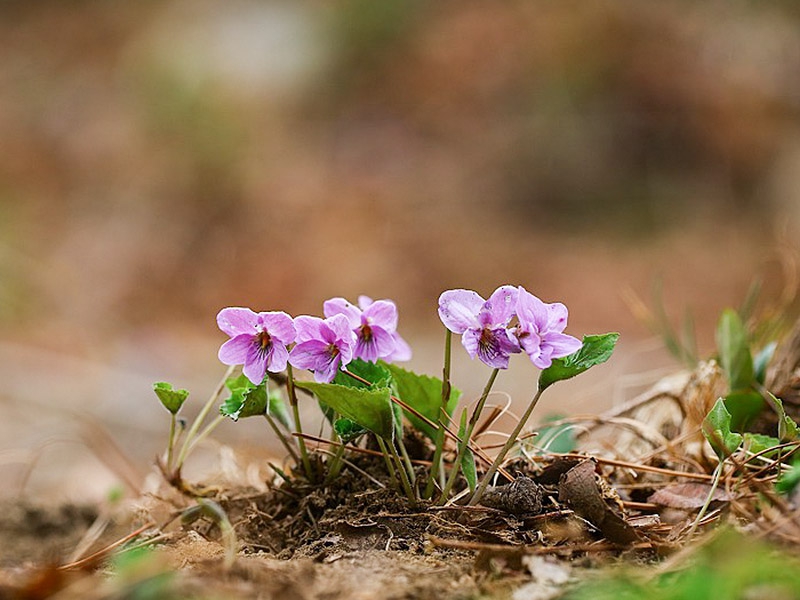
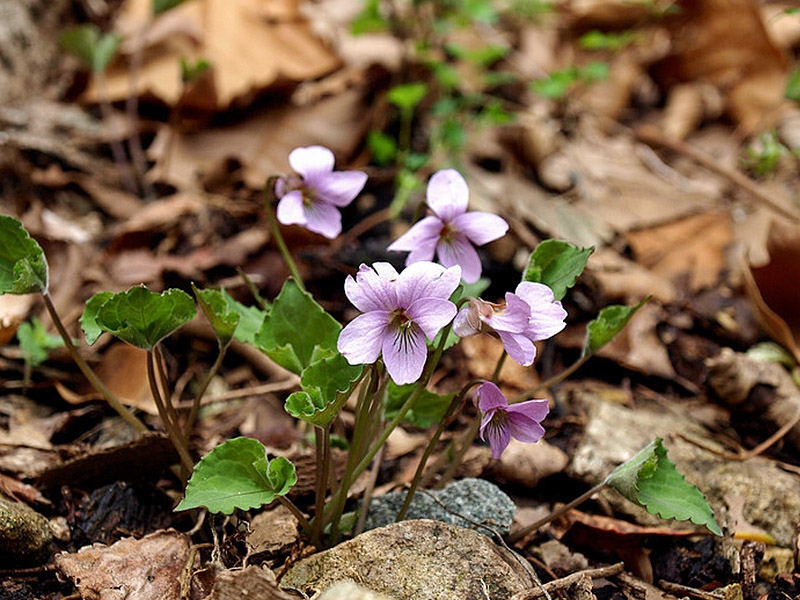
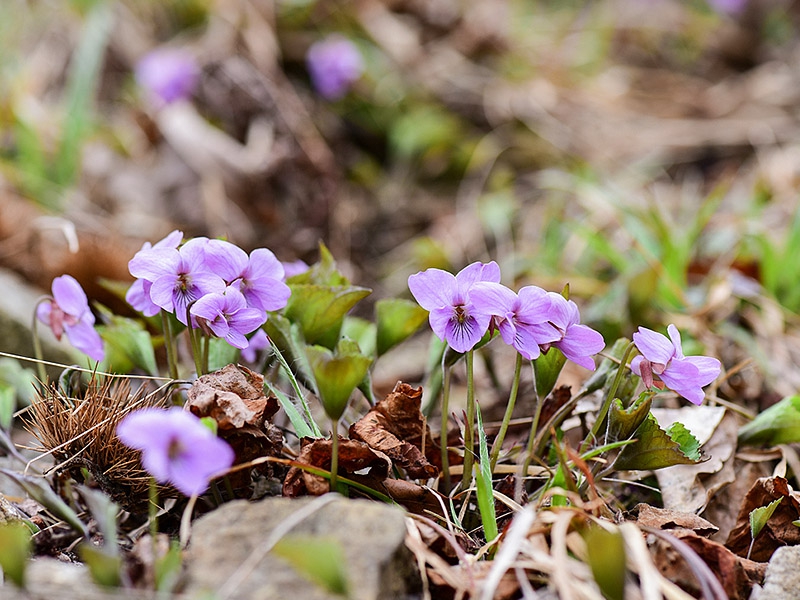
Viola rossii is a perennial plant distributed throughout East Asia, including Korea, and produces distinctive cone-shaped flowers. Growth Characteristics - Environment: It thrives in partial shade and prefers moist soil. It grows vigorously in well-drained areas. - Temperature: It grows well in cool climates; however, growth may be inhibited in hot and humid summer environments. Propagation Methods - Seed Propagation: Propagation by seeds is common, and seeds are sown in the spring. - Division: It can be propagated by dividing the roots; this method is best performed in the spring or autumn. Cultivation Methods - Soil: Well-drained soil is required, and acidic or neutral soil is suitable. - Watering: Maintain moisture, but avoid excessive watering. - Fertilizer: Apply organic fertilizer appropriately in the spring and autumn. Use in the Garden - Planting in clusters in shaded gardens or under trees can create a natural landscape. - It blooms with vibrant flowers in early spring, making it a great focal point for the garden. Important Pests and Control Methods - Diseases: It may be susceptible to powdery mildew or gray mold; if these occur, control them using a dedicated fungicide. - Pests: It may be damaged by leaf beetles or aphids, so periodic observation and the use of insecticides are necessary. - As a preventative measure, it is important to plant in a well-ventilated area and avoid overwatering. Viola rosii is highly popular in gardens due to its beautiful flowers and easy care. With careful attention to prevent various pests and diseases, you can enjoy this healthy plant for a long time.
Plant Type
Plant Family
Violet family
Height
10~15cm
Spread
Colors
purple, pink
Bloom Period
April~May
Water Needs
commonly
Exposure
Sunny
Freezing Resistance
-10°C
Viola mandshurica
Viola sacchalinensis
hairy violet
Viola phalacrocarpa