English
한국어
English
Español
中文
हिंदी
Home
News
Community
Dictionary
English
한국어
English
Español
中文
हिंदी
View list
Montana Pine
Pinus montana
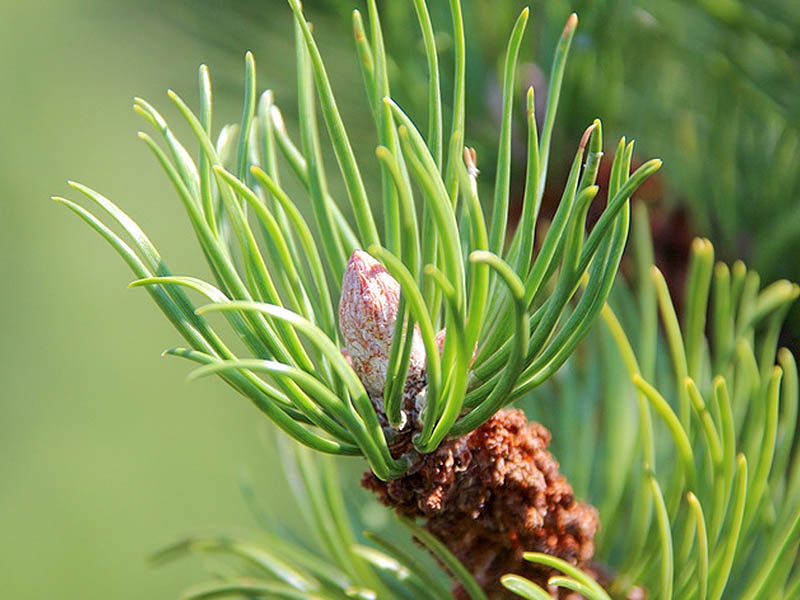
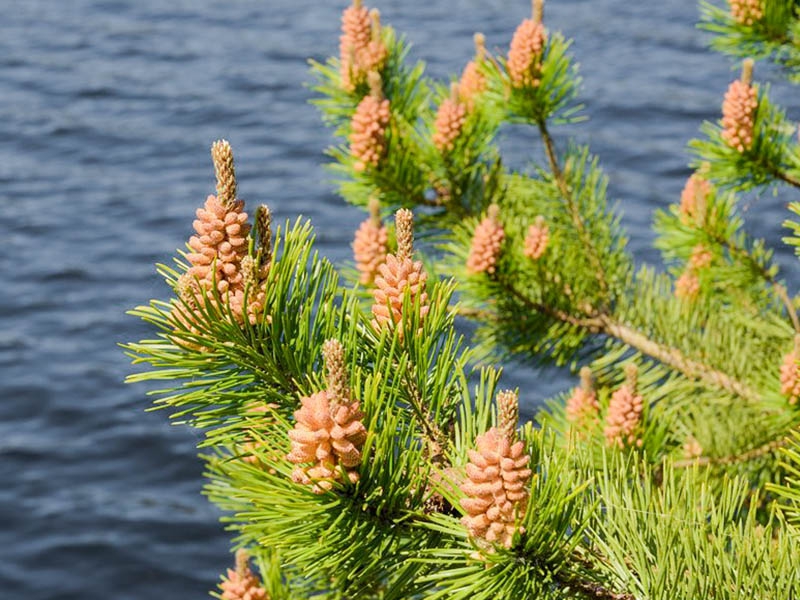
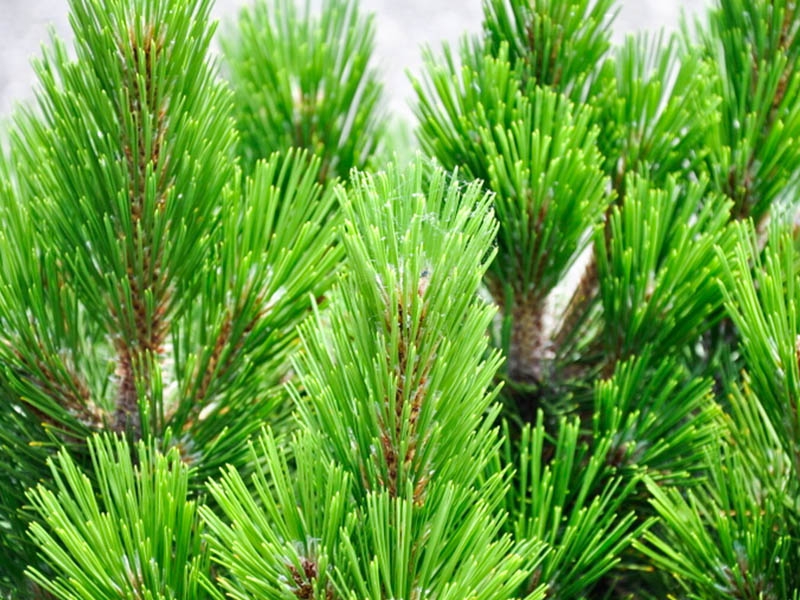
Pinus montana, also known as the Alpine pine, is a conifer known to grow in alpine regions. The following is information regarding this tree's growth characteristics, propagation methods, cultivation techniques, garden uses, and major pests and diseases, as well as control methods. Growth Characteristics - Habitat: Primarily found in alpine regions between 1,200m and 2,700m above sea level. - Climate: Resistant to cold and wind, it grows relatively well even in dry soil. - Height: Mature trees typically grow between 3m and 12m, but this varies significantly depending on environmental conditions. - Lifespan: Can live for approximately 300 years or more. Propagation Methods - Seed Propagation: Pinus montana is primarily propagated by seeds. The fruit takes the form of small pine cones, which are harvested from the wild for use. - Sowing Time: Autumn is the appropriate time; it is recommended to sow immediately after the first frost. Cultivation Methods - Soil: Prefers well-drained acidic or slightly acidic soil. An ideal soil pH is around 5.0 to 6.5. - Watering: It prefers dry environments, so it does not require excessive watering. - Sunlight: Prefers sunny locations. It is difficult to grow in partial shade. Uses in Gardens - Landscape Creation: Pine trees are used as landscape trees in small gardens and also have the effect of blocking wind and preventing soil erosion. - Minimalist Design: Provides a simple design effect unique to pine trees to the garden. Important Pests and Control Methods - Diseases: Pine needle rust and pitch necrosis are common. Proper ventilation and humidity control are necessary to prevent this. - Pests: Pests such as pine bark beetles may be present; it is recommended to use insecticides regularly every season to prevent them. - Control Methods: Manage the tree by using fungicides and insecticides appropriately, and reduce the occurrence of pests by clearing weeds and fallen leaves around the tree. Montana pine is relatively easy to maintain and highly durable, making it popular for gardens and landscaping. With proper care considering these characteristics, it can retain its beauty for a long time.
Plant Type
Plant Family
Pine family
Height
10~13m
Spread
Colors
Bloom Period
May~June
Water Needs
commonly
Exposure
Sunny
Freezing Resistance
-40°C
Giant Pine Tree
Pinus palustris
single-leaved pine
Pinus echinata