English
한국어
English
Español
中文
हिंदी
Home
News
Community
Dictionary
English
한국어
English
Español
中文
हिंदी
View list
Contorta pine
Pinus contorta
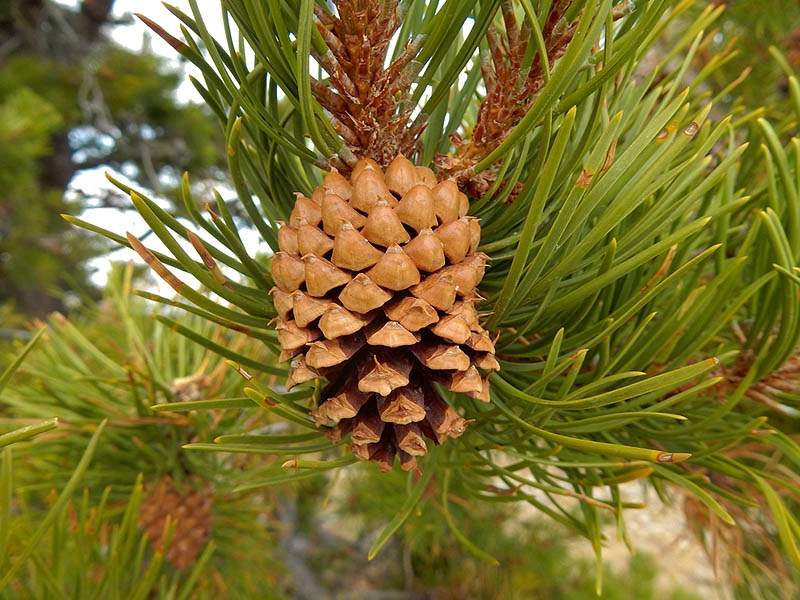
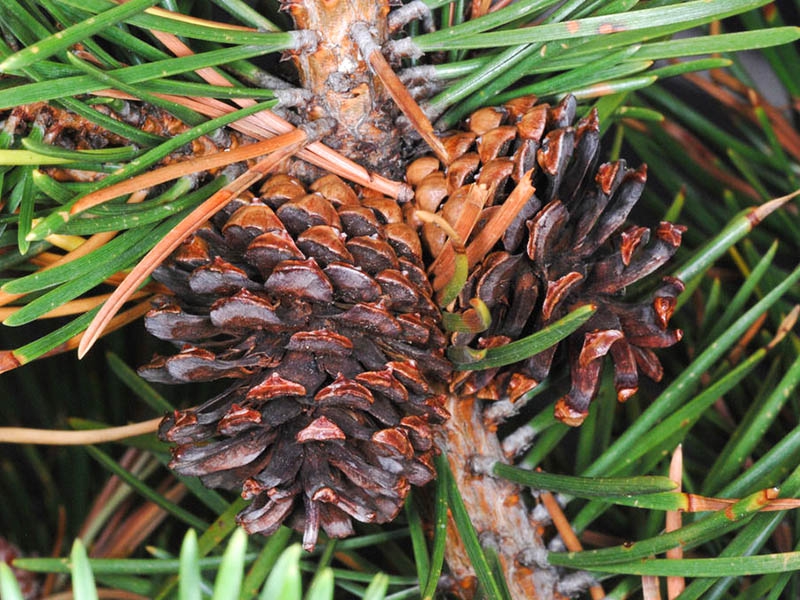
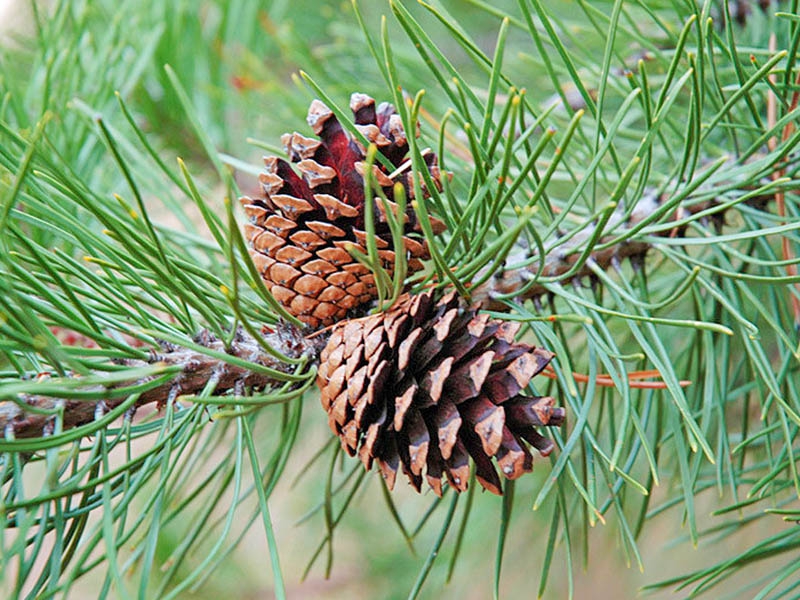
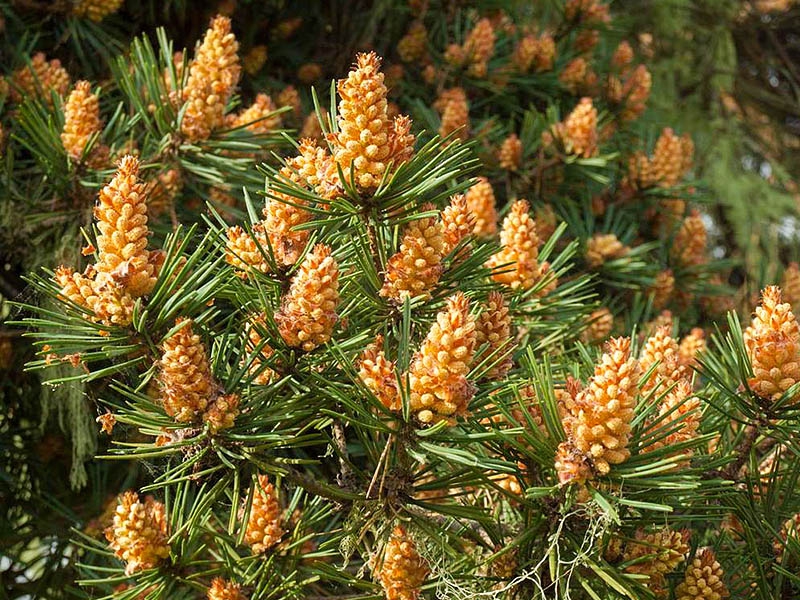
Growth Characteristics of Pinus contorta Pinus contorta is a conifer native to western North America. It typically grows rapidly and can thrive in diverse environments ranging from 0 to 3,000 meters above sea level. It adapts well to dry conditions and exhibits strong tolerance to cold climates. Generally, it grows to a height of 6 to 15 meters and is characterized by an upright or irregular tree shape. Propagation Methods Pinus contorta is primarily propagated by seeds, using seeds collected from ripe pine cones in the autumn. Seeds may require vernalization, which involves storing them in cold storage for a certain period (usually at least 3 months) to increase germination rates. Afterward, they are germinated in an environment where appropriate temperature and humidity are maintained. Cultivation Methods - Soil: Well-drained soil is suitable, and an acidic to neutral pH is appropriate. - Light: It is recommended to plant in a location that receives ample sunlight. 3. Watering: Consistent watering is necessary during the initial period of vigorous growth, but once the tree matures, it can tolerate dry environments well. - Fertilization: No special fertilizer is required, but a small amount of nitrogen fertilizer can aid growth in the early stages. Uses in the Garden Due to its distinctive twisted shape and color, the Contorta pine is widely used as an ornamental tree in garden landscaping. It is particularly useful for creating natural landscapes and is also suitable for use as a windbreak or windbreak. Important Pests and Control Methods - Pine Bark: Symptoms include leaf browning and weakening of the tree. When damage is minor, the insects can be physically removed; in severe cases, insecticides are used. - Pine Needle Beetle: Young pine needles curl irregularly and turn yellow. These pests can be removed manually or treated with insecticides. - Fungi: Recently, fungal diseases such as sooty mold have become a problem. As a preventive measure, prune branches to ensure good ventilation, and use appropriate fungicides if disease occurs. Regular management and monitoring can reduce damage from pests and diseases, and seeking expert assistance may also be considered if necessary.
Plant Type
Plant Family
Pine family
Height
30m
Spread
Colors
yellow
Bloom Period
April~May
Water Needs
commonly
Exposure
Sunny
Freezing Resistance
-50°C
single-leaved pine
Pinus echinata
Teeda pine
Pinus taeda