English
한국어
English
Español
中文
हिंदी
Home
News
Community
Dictionary
English
한국어
English
Español
中文
हिंदी
View list
Norwegian pine
Pinus resinosa
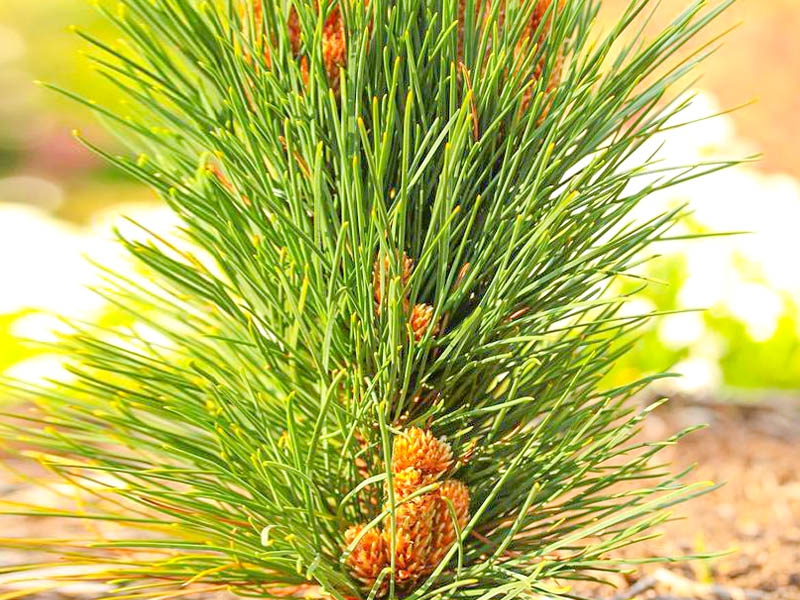
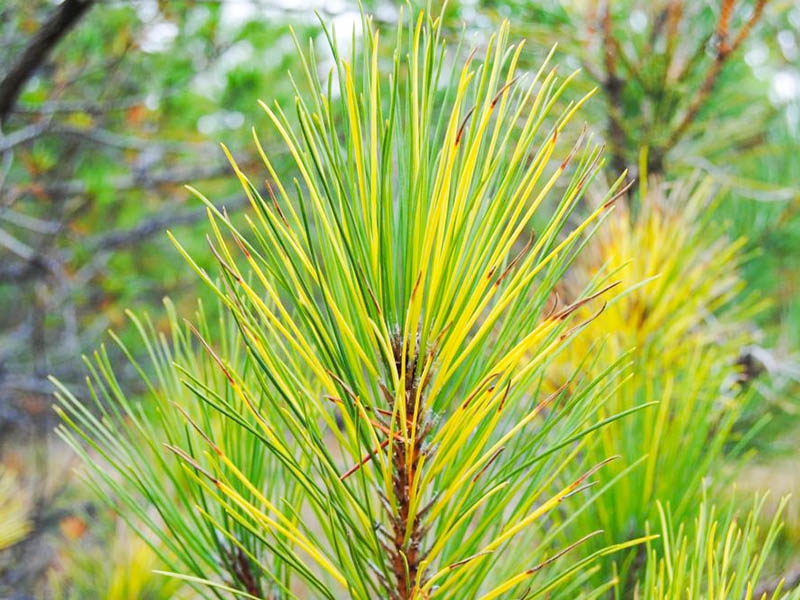
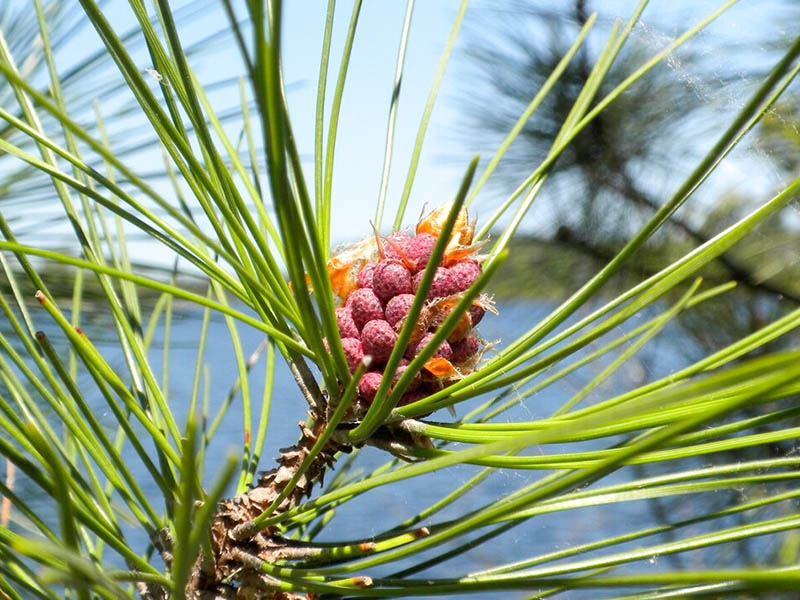
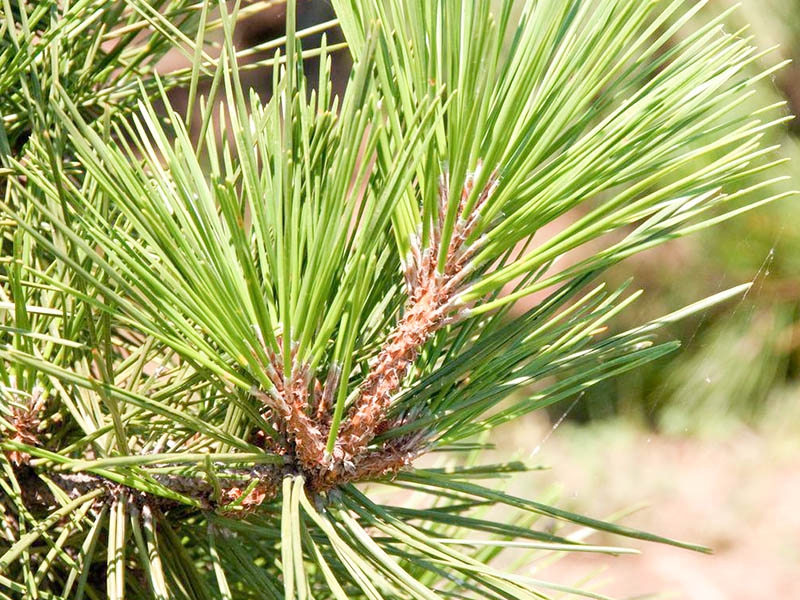
Norwegian pine Pinus resinosa, also commonly known as the Red Pine, is a species of pine native to North America. The following describes the growth characteristics, propagation methods, cultivation techniques, garden uses, and notable pests and diseases, as well as control methods. Growth Characteristics - Height and Growth Rate: This pine typically grows to 20–30 meters in height upon maturity and exhibits a relatively fast growth rate. - Environmental Requirements: It prefers sunlight and thrives in well-drained, acidic soil. However, it is salt-tolerant and survives relatively well even in coastal areas. - Tree Shape: The tree grows in a conical shape, and is characterized by the reddish bark of its trunk and branches. Propagation Methods - Seed Propagation: Propagation by seeds is the most common method. Seeds are collected from mature pine cones in the autumn and sown in the spring. - Cutting Propagation: Propagation by cuttings using young branches is also possible, but the success rate is lower than that of seed propagation. Cultivation Methods - Sowing Time: Seeds are generally sown in the spring. In cold regions, it is recommended to germinate them indoors and transplant them after they have grown to a certain size. - Soil and Water Management: Plant in well-drained soil that is neutral to slightly acidic, and water thoroughly during the initial stages. - Spacing: For mature trees, leave sufficient spacing between them, taking into account their size. Uses in Gardens - Landscape Tree: It is frequently used as a landscape tree due to the beautiful harmony of its red bark and green leaves. - Screening Tree: It is sometimes used as a windbreak tree, and its tall stature can create a dramatic effect. Major Pests and Diseases and Control Methods - Pine Needle Gall Midge: This pest causes damage by forming galls on the leaves. It is common practice to use insecticides when an infestation occurs. - Pine Bark: This gnaws at pine trees, weakening them. Regular preventative insecticides must be used for treatment. - Pine Needle Rust: It is prone to occur in humid environments. In this case, remove diseased leaves and use an antifungal agent. Based on this information, if you properly manage the Norwegian Pine Reginosa, you can help it grow into a healthy and beautiful tree.
Plant Type
Plant Family
Pine family
Height
15~24m
Spread
6~7.5m
Colors
green
Bloom Period
March to August
Water Needs
commonly
Exposure
Sunny
Freezing Resistance
-40°C
Korean pine strobiformis
Pinus strobiformis
Lambertiana sugar pine
Pinus lambertiana