English
한국어
English
Español
中文
हिंदी
Home
News
Community
Dictionary
English
한국어
English
Español
中文
हिंदी
View list
Lambertiana sugar pine
Pinus lambertiana
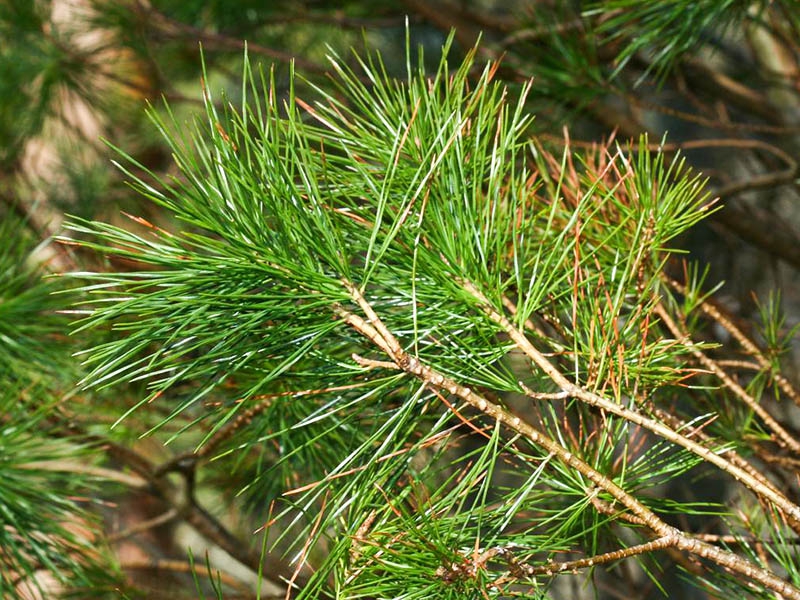
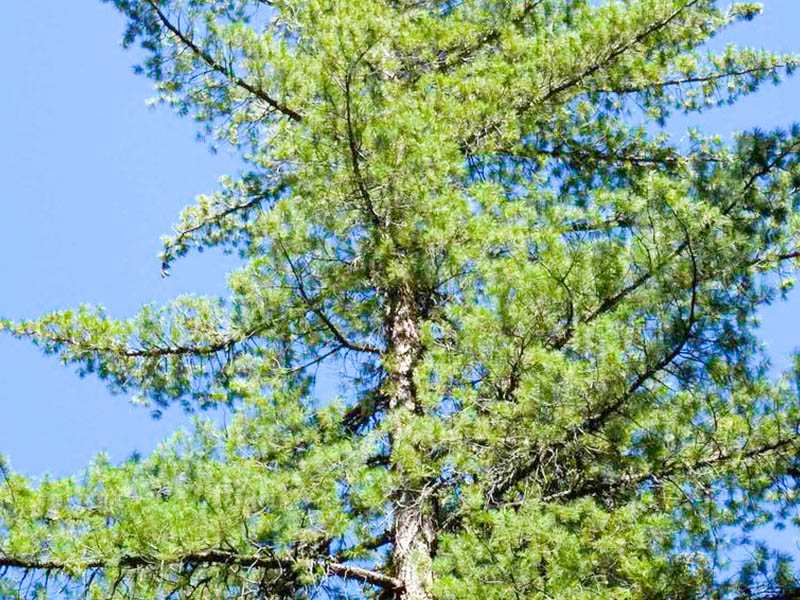
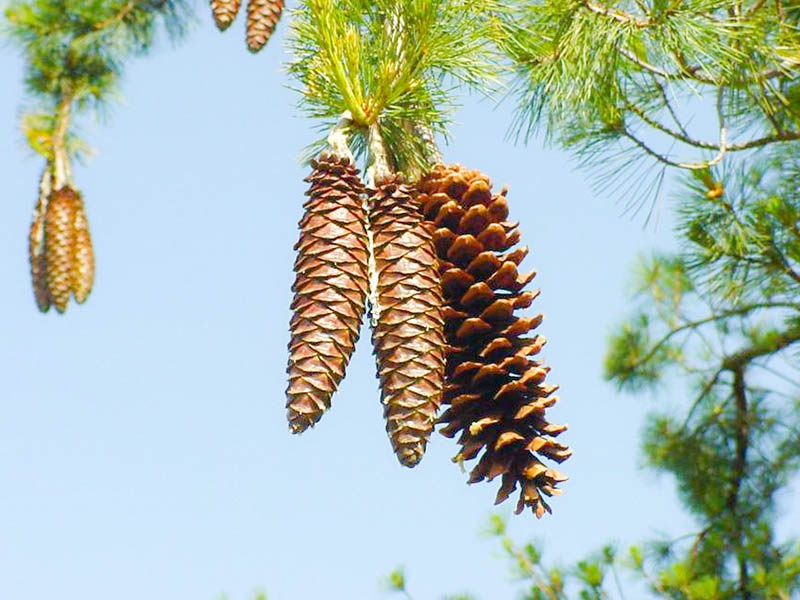
The Sugar Pine (Pinus lambertiana) is a large conifer native to western North America and is known as one of the largest pines in the world. The following is information regarding this tree's growth characteristics, propagation methods, cultivation methods, garden uses, major pests and diseases, and control methods. Growth Characteristics - Height: Mature trees can typically grow up to 40–60 meters, with some reaching over 80 meters. - Lifespan: Can survive for hundreds of years. - Environment: Thrives in well-drained soil with abundant sunlight and requires adequate moisture. - Bark and Leaves: The bark is thick and coarse, and the leaves are 5–10 cm long and slightly curved. Propagation Methods - Seeds: It primarily reproduces via seeds. Seeds are contained within large pine cones and are dispersed by wind as mature cones open. - Germination Conditions: Warm temperatures and sufficient moisture are required for germination, which usually begins in early spring. Cultivation Methods - Soil: Well-drained sandy or loamy soil is ideal. - Watering: Adequate watering is important for young trees, but mature trees can tolerate dry environments relatively well. - Fertilization: While the tree can grow without special fertilizers, a balanced fertilizer can be used to promote growth. - Pruning: Minimal pruning is required, and it is recommended to remove diseased branches. Uses in Gardens - Landscape Tree: Due to its large size and majestic appearance, it is popular as a landscape tree in parks or large open spaces. - Screening Tree: It is easily visible from a distance and provides shade, so it can be planted for screening purposes. Major Pests and Control Methods - Diseases: It can be susceptible to diseases such as pine needle rot. To prevent this, ensure good ventilation and improve drainage. - Pests: Pests such as the pine needle beetle and the pine tooth moth may occur. It is effective to use appropriate insecticides when pests occur, or to implement physical control measures such as pruning, avoiding periods when pests are most prevalent. - Control Strategy: Regular monitoring and proper management to prevent pests and diseases are important. The sugar pine is a tree loved by many for its size and beauty. However, it requires ample space and a suitable environment to grow healthily, so it is important to keep this in mind when cultivating it.
Plant Type
Plant Family
Pine family
Height
30~60m
Spread
12~15m
Colors
green
Bloom Period
March to August
Water Needs
commonly
Exposure
Sunny
Freezing Resistance
-30°C
Norwegian pine
Pinus resinosa
cattail
Pinus flexilis